
The Nissan Fairlady Z didn’t become a legend just because it looked good; it became a legend because of what was under the hood. From the original 240Z that surprised the world in 1969 to the modern 400-horsepower Nissan Z, the engine has always been the heart of these machines. By understanding the power behind the Nissan Fairlady Z engine, we can see why the Fairlady Z remains one of the most respected names in automotive history.
Contents
Overview: Every Engine in the Z-Car History
To provide a clear overview, we need to look at how the Nissan Fairlady Z engine evolved through seven generations:
The inline-six era (1969–1983)
In the beginning, the Z-car used “L-series” engines. These were inline-six engines, meaning all cylinders were in one straight line. This design is naturally balanced and very smooth.
- First generation (S30): The famous 240Z used a 2.4L engine. As the car evolved into the 260Z and 280Z, the engine size grew to 2.6L and 2.8L to meet new emissions standards and provide more torque.
- Second generation (S130): The 280ZX kept the 2.8L engine but added a Turbo option for the first time in 1981. This made the car much faster and proved that the Z could handle turbocharging safely.
The Shift to V6 Engines (1983–2000)
In 1983, Nissan made a big change. They stopped using the long inline-six and moved to a more compact V6 engine. This allowed the car to have a lower, more aerodynamic front end.
- Third generation (Z31): The first 300ZX used the VG30 engine. It came in two versions: a naturally aspirated (non-turbo) version and a single-turbo version.
- Fourth generation (Z32): This version of the 300ZX became a high-tech icon. It used the VG30DETT, which featured Twin-Turbos. It was one of the first Japanese cars to reach 300 horsepower, making it a rival for much more expensive supercars.

The modern V6 era (2002–2021)
After a short break, the Z returned with a focus on naturally aspirated power. This means the engines did not use turbos, but they were much larger and more efficient.
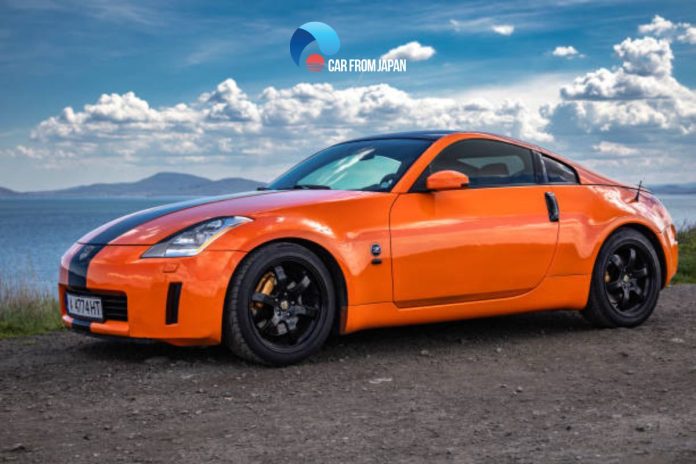
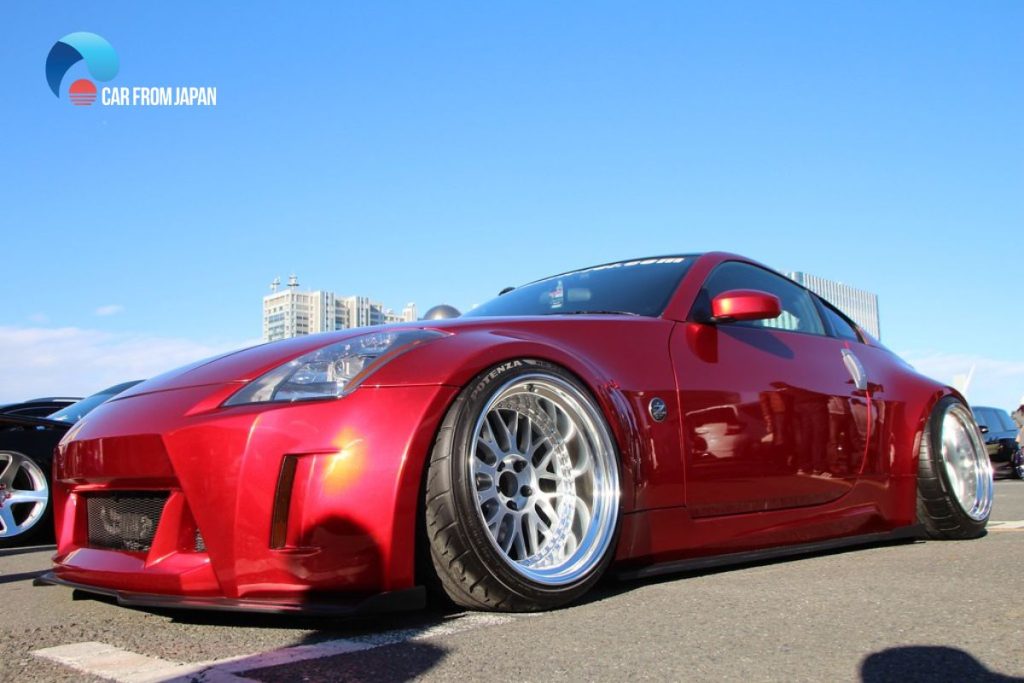
- Fifth generation (Z33): The 350Z used the 3.5L VQ35 engine. This motor is famous for being “bulletproof” and very easy to maintain. It was updated several times to produce more power over the years.
- Sixth generation (Z34): The 370Z used a larger 3.7L VQ37 engine. It introduced a system called VVEL (Variable Valve Event and Lift), which enabled the engine to respond more quickly when the gas pedal was pressed.
The return to twin-turbos (2022–Present)
Seventh generation (RZ34): The latest Nissan Z has reverted to turbocharging. It uses a 3.0L Twin-Turbo V6 (VR30DDTT). This engine produces 400 horsepower, making it the most powerful standard Z-car ever built.
Which Engines Made the Fairlady Z a Legend?
To understand how the Fairlady Z became a global icon, we have to look at the specific engines that built its reputation for speed and reliability:
L24 engine
The engine that started everything in 1969 was the 240Z’s L24. It was a 2.4-liter inline-six engine with twin carburetors. At the time, it produced around 151 horsepower. The L24 proved that a Japanese sports car could be fast enough for the racetrack but dependable enough for a daily commute.
The S20 engine
While the 240Z was famous worldwide, Japan had a very special version called the Fairlady Z432. The “432” stood for 4 valves per cylinder, 3 carburetors, and 2 camshafts.
It used the S20 engine, which was the same high-performance motor found in the legendary first-generation Nissan Skyline GT-R. This was essentially a race engine sold to the public.
The VG30DETT
Fast-forwarding to the 1990s, the VG30DETT engine took the Fairlady Z to a new level. This was a 3.0-liter V6 with Twin-Turbos.
This engine made the Z a “supercar killer.” With 300 horsepower, the Z32 300ZX could keep up with Ferraris and Porsches of that era. It was packed with technology like variable valve timing, which was very advanced at the time. This engine made the Fairlady Z a symbol of Japanese technical dominance in the 90s.
What Made These Engines Powerful?
Beyond the horsepower numbers, let’s pull the curtain to find out that Nissan’s Z engines are considered “powerful”:
- Durability: One of the most famous things about Nissan Z engines—especially the L-series and the VQ-series—is how tough they are built. Nissan used very strong materials for the engine blocks (like cast iron in the early days and high-strength alloys later).
- Natural balance and smoothness: Throughout its history, Nissan has focused on 6-cylinder designs (both Inline-6 and V6). An inline-six engine is naturally balanced, meaning it doesn’t vibrate much when you rev it high. When Nissan transitioned to the V6, it employed a 60-degree angle design, which also helps keep the engine smooth.
- The front-midship layout: While this is part of the car’s body, it changes how the “power” feels. Nissan pushes the engine as far back as possible toward the cabin. This is called a “front-midship” layout. By doing this, the weight of the heavy engine is balanced in the middle of the car.
Conclusion
In short, the engine is what has kept the Nissan Fairlady Z relevant for over 50 years. From the early inline-six motors to the high-performance V6 engines used today, Nissan has consistently focused on building engines that are strong, balanced, and easy to maintain.
By offering a car that is both powerful and reliable, the Fairlady Z has earned its place as a favorite for both daily drivers and car enthusiasts. Whether it is an older model or the latest twin-turbo version, the focus on a high-quality six-cylinder heart remains the defining feature of the Z-car legacy.