


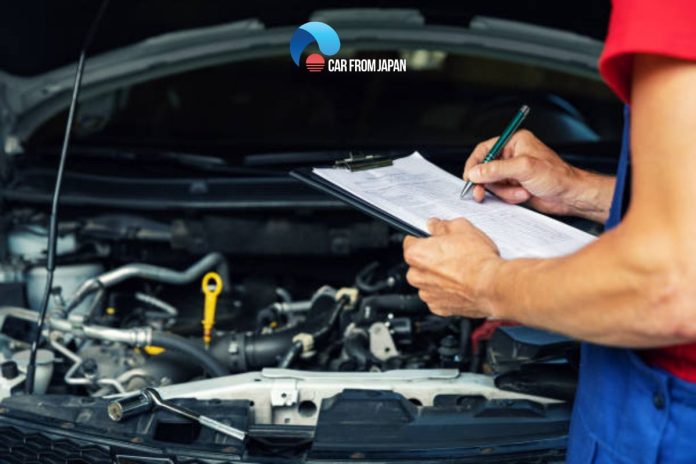
Every vehicle has a shelf life, but mileage alone rarely tells the whole story.
What actually decides whether a car’s worth keeping is maintenance history, mechanical condition, rust, accident damage, and how repair costs stack up against the car’s value. Skip the maintenance long enough, and the car makes the decision for you: it ends up at the car wreckers or junkyards, not on the road.
In this article, we’ll walk through ten warning signs worth checking before you sink more money into an ageing vehicle.10 Signs Your Used Car May Be Near The End of Its Life
Contents
- 1. Frequent and expensive repairs
- 2. Serious engine problems
- 3. Transmission problems
- 4. Serious rust or structural corrosion
- 5. Repeated inspection issues
- 6. Major electrical problems keep appearing
- 7. The car no longer meets your needs
- 8. Parts are becoming difficult or expensive to find
- 9. Repair costs are approaching the car’s value
- 10. You’re spending more time fixing it than driving it
- What should you do when your car reaches this point?
1. Frequent and expensive repairs
Normal servicing is one thing. A pattern of major repairs is another.
If you’ve had engine work done, then a transmission issue, then suspension problems, then the cooling system packs up, and now there’s an electrical fault on top of it, all within a year or two, that’s not bad luck.
That’s a car telling you that costs of ownership are increasing. One big repair bill doesn’t mean much on its own.
Several in a row usually do. This is often the point where owners start looking at alternatives, including selling to car wreckers rather than spending more money on it.
2. Serious engine problems
Watch for excessive oil consumption, blue or white smoke out the exhaust, overheating, knocking noises, a noticeable drop in power, or a warning light that keeps coming back no matter how many times it’s cleared.
None of these is automatically terminal on its own. But major engine work costs real money, so get a qualified mechanic to actually diagnose what’s going on before you decide whether it’s worth fixing.
3. Transmission problems
Slipping gears, a delay when you put it into drive, shifts that feel harsh or jerky, strange noises from the gearbox, or trouble selecting gears at all these are the usual signs a transmission is on its way out.
On an older car, rebuilding or replacing one is often expensive enough by itself to change whether the car’s worth keeping.
4. Serious rust or structural corrosion
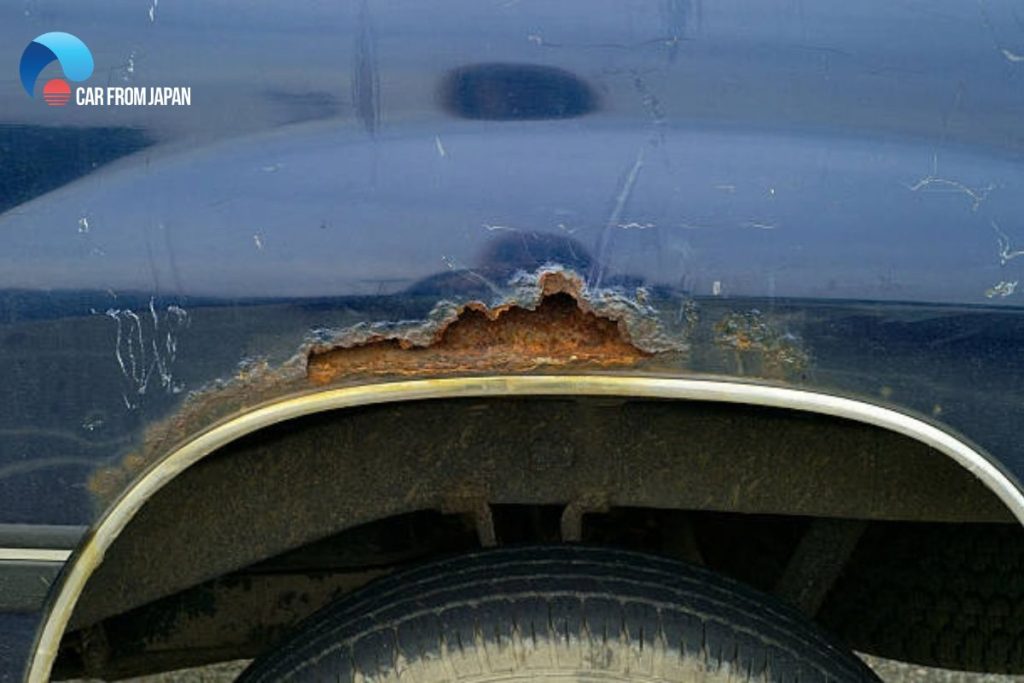
There’s surface rust, and then there’s rust that’s got into the chassis, subframe, suspension mounts, floor pans or door frames. The second kind matters a lot more.
For second-hand vehicles, it pays to actually check the vehicle’s history and current condition rather than assume anything based on its age.
5. Repeated inspection issues
One failed inspection doesn’t mean much on its own. Plenty of sound cars fail for something minor and pass again once it’s sorted.
What’s worth paying attention to is a growing list of repairs needed just to keep the car compliant and roadworthy, inspection after inspection.
It’s not the fail itself that matters so much as what keeps failing and what it costs to fix.
6. Major electrical problems keep appearing
Battery and charging faults, starter trouble, power windows giving up, warning lights on the dash, sensors playing up, wiring faults, older cars tend to develop several of these at once, often unrelated to each other.
That makes them harder to diagnose and more expensive to sort out than a single fault would be.
7. The car no longer meets your needs
Not every sign is mechanical. Maybe the family’s grown, fuel costs have gotten hard to justify, you need something bigger, or you want safety and tech features an older car just doesn’t have.
A car doesn’t have to break down to stop being the right fit.
8. Parts are becoming difficult or expensive to find
This shows up more with older or less common Japanese models. As parts get harder to track down and labour costs rise for fitting the ones you do find, that changes the maths on whether it’s worth keeping the car going.
Used or recycled parts can bring costs down quite a bit, depending on what you need.
9. Repair costs are approaching the car’s value
This is probably the sign worth thinking about most carefully. It’s not as simple as “repairs cost more than the car’s worth, so scrap it.”
A cheap repair can still be worth doing on a car that’s otherwise reliable. What actually helps is weighing your repair costs, plus what’s likely to come up next, against what the car’s worth now and what a replacement would cost.
That comparison tells you more than either number alone.
10. You’re spending more time fixing it than driving it
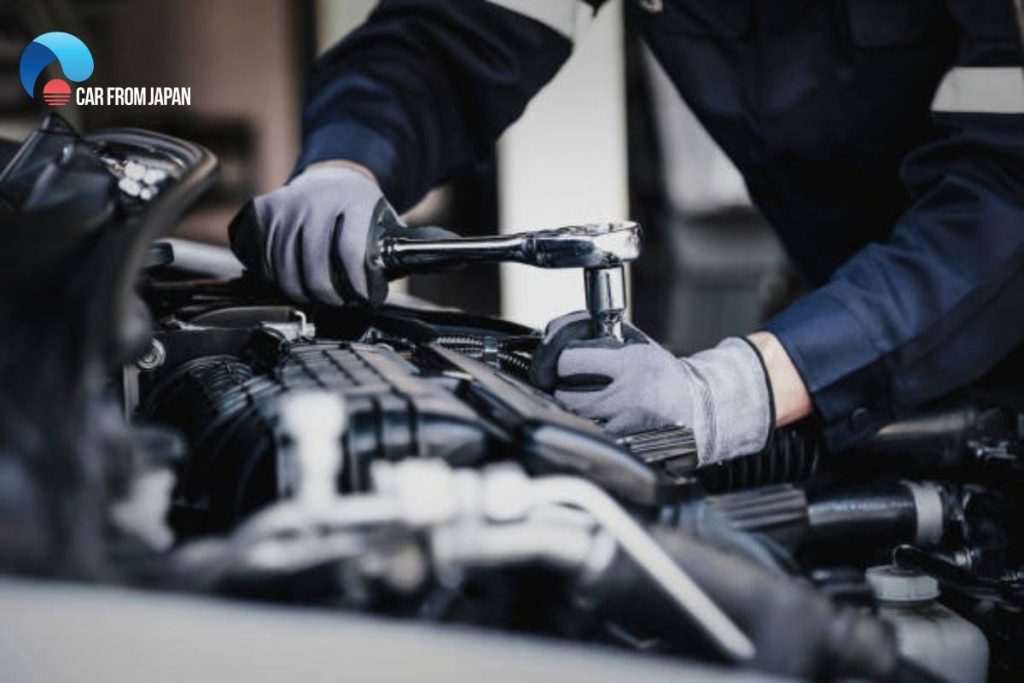
A lot of owners will recognise this one. Repeated breakdowns, constant trips to the workshop, one unexpected bill after another none of it catastrophic by itself, but add it up and the car stops being practical.
If you’re spending more time organising repairs than actually driving, that’s worth sitting with.
What should you do when your car reaches this point?
There’s no single answer, since it depends on the car and your situation. A few things worth doing: get an independent mechanical inspection, get quotes for any major repairs, check what the car’s actually worth right now, and see whether used parts could bring the repair cost down.
Once you’ve got that picture, you can properly weigh up keeping it, selling privately, trading it in, or recycling it. If you’ve decided it’s not worth repairing anymore, selling it to scrap car buyers is the ideal option.
An old car isn’t automatically done just because of its age or mileage. Condition, reliability, repair costs, parts availability, and what you actually need from a vehicle count for more than the number on the odometer.
Weigh those up honestly and you’ll have a much clearer answer on whether it’s worth keeping the car going or time to move on.