


Driving emergencies can turn routine travel into a serious safety challenge within seconds. Brake issues, tyre damage, overheating, fire risks, skidding and accelerator faults all demand quick but controlled action. For drivers in India, where road, weather and traffic conditions can shift suddenly, knowing the right response can support safer decisions, better preparedness and greater confidence behind the wheel.
This article covers safe emergency responses, maintenance habits and policy review when you buy car insurance online for your driving needs.
Contents
Brake Failure
Brake failure can make the car feel out of control, but steering and awareness still matter. Do not keep pressing the accelerator or make sudden lane changes. You aim to reduce speed gradually and find a safe place to stop.
- Lift your foot off the accelerator immediately.
- Pump the brake pedal to check whether brake pressure returns.
- Shift to a lower gear so the engine slows the car naturally.
- Use the handbrake gently and progressively.
- Turn on hazard lights to warn vehicles behind you.
- Move towards the left side of the road when it is safe.
- Avoid switching off the engine while the car is still moving.
Once stopped, do not continue the journey. Call for professional assistance and get the braking system inspected.
Tyre Blowout
A tyre blowout usually comes with a loud sound, vibration or a sudden pull to one side. The biggest mistake is braking sharply. A hard brake can disturb balance and make the vehicle harder to manage.
- Hold the steering wheel firmly with both hands.
- Keep the car moving as straight as possible.
- Do not brake suddenly.
- Ease off the accelerator slowly.
- Let the vehicle lose speed on its own.
- Turn on hazard lights after gaining control.
- Stop in a safe spot away from traffic.
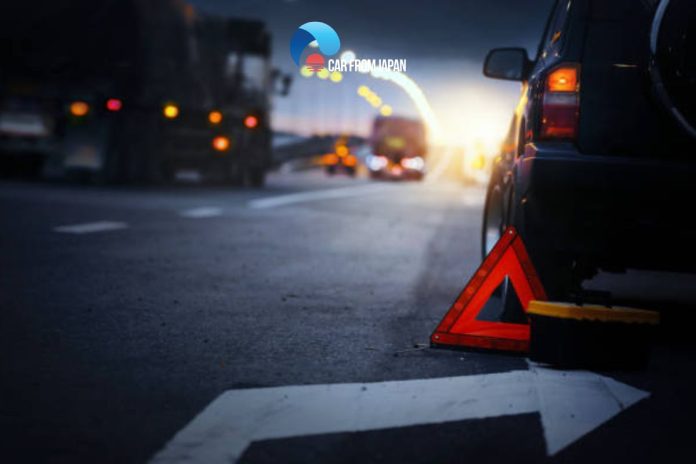
After stopping, check your surroundings before stepping out. Use a reflective warning sign if available and call roadside support if the location is unsafe.
Engine Overheating
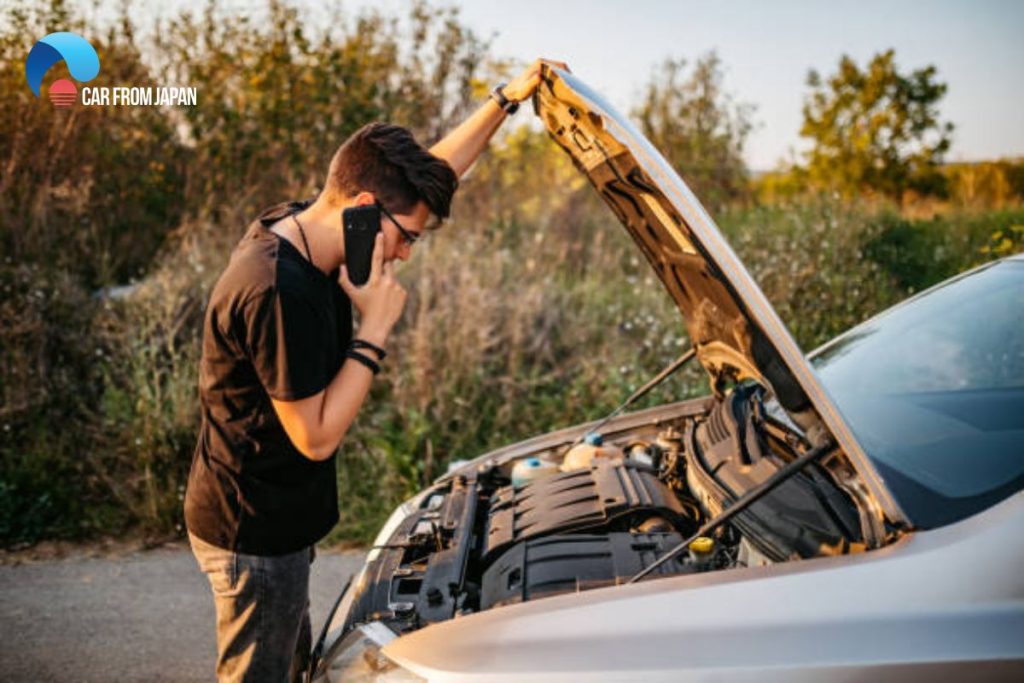
Engine overheating can happen during heavy traffic, long drives, hot weather or due to coolant-related issues. You may notice a warning light, steam or a rising temperature gauge. Continuing to drive may worsen the problem.
- Turn off the air conditioner.
- Reduce engine load and drive gently towards a safe stopping point.
- Park away from moving traffic.
- Switch off the engine and allow it to cool.
- Do not open the radiator cap when the engine is hot.
- Avoid touching hot engine parts.
- Seek mechanical support before driving again.
A basic fluid check before long journeys can reduce the chances of such trouble, especially during summer drives.
Vehicle Fire
A burning smell, smoke from the bonnet or visible sparks should be treated seriously. Your first concern should be people, not luggage or documents. Stop safely, move away and contact emergency services.
- Pull over as soon as it is safe to do so.
- Switch off the ignition.
- Ask all passengers to leave the car immediately.
- Move away from the vehicle and keep others at a distance.
- Avoid opening the bonnet if smoke or flames are visible.
- Do not return to collect belongings.
- Call emergency support without delay.
A fire extinguisher may be useful only in a small and manageable situation. Personal safety should always come first.
Skidding on Wet or Slippery Roads
Skidding often happens when tyres lose grip on wet roads, loose gravel, oil patches or sharp turns. The driver’s response should be smooth and measured. Sudden steering or braking can worsen the skid.
- Take your foot off the accelerator slowly.
- Steer gently in the direction you want the car to move.
- Avoid stamping on the brake pedal.
- Keep a safe distance from the vehicle ahead.
- Drive more slowly during rain or poor visibility.
- Avoid sudden turns on slippery patches.
- Check tyre condition before monsoon travel.
Smooth control is the key; let the tyres regain grip before accelerating again.
Stuck Accelerator

A stuck accelerator can be alarming because the car may continue to gain speed even after you lift your foot. The right response is to separate engine power from the wheels and bring the car to a controlled halt.
- Shift the gear to neutral.
- Apply the brakes steadily.
- Keep both hands on the steering wheel.
- Use hazard lights to alert nearby drivers.
- Move towards an open, safe area.
- Stop the vehicle fully before switching off the engine.
- Do not drive again without inspection.
Forcing the key off while moving can affect steering control, so stop first where possible.
Conclusion
Emergency driving situations are easier to handle when you know the basics before they happen. Stay calm, avoid sudden movements and focus on controlling the vehicle safely. Regular servicing, tyre checks and safe driving habits can reduce many risks. It is also sensible to review your motor policy and buy car insurance online, comparing coverage, benefits, and claim support based on your needs.





