


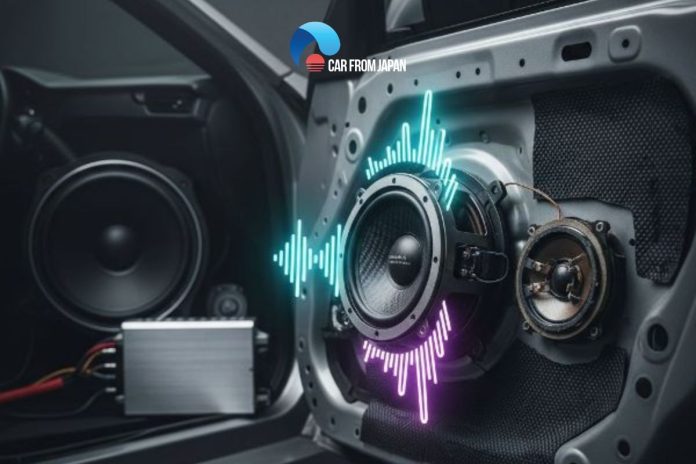
Upgrading a factory dashboard can dramatically improve your daily driving experience, but when planning your car audio upgrades, choosing between a cheap generic screen and a premium infotainment system is rarely as simple as comparing price tags.
A low-cost, marketplace touchscreen may appear attractive at first glance, promising modern features like Apple CarPlay and Android Auto on a budget. However, a premium setup requires a slightly larger initial investment but delivers a vastly superior experience. The real difference between the two tiers is found in sound processing quality, hardware reliability, integration safety, and long-term value.
A good audio upgrade should be planned from the “brain” outward. The head unit dictates the speed of your apps and the quality of the audio signal sent to your speakers. Simply slapping the cheapest 10-inch tablet into your dash rarely yields the best result.
Contents
The biggest difference between budget and premium car audio systems is the internal hardware architecture. Budget products can provide a noticeable aesthetic improvement over a worn factory radio with physical buttons, but ultra-cheap equipment almost always utilizes lower-grade components.
Premium equipment costs more because manufacturers invest in automotive-grade processors, advanced Digital Signal Processors (DSPs), and exact vehicle integration. You are not just paying for a screen; you are paying for the invisible microchips that ensure your music sounds rich and your navigation doesn’t freeze in traffic.
The real cost of a cheap aftermarket head unit usually reveals itself a few weeks after installation.
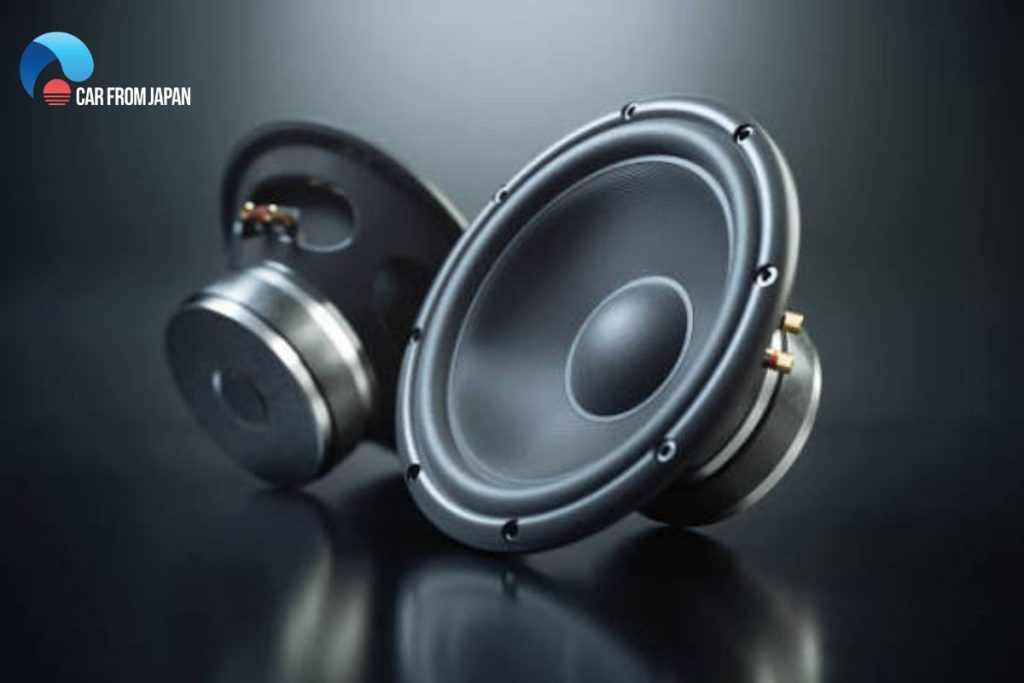
A low-priced generic screen can seem like a bargain until the internal Digital-to-Analog Converter (DAC) degrades the audio. Cheap DACs are notorious for creating a “flat” sound profile, stripping the bass and clarity from your music. Furthermore, poorly shielded internal amplifiers often introduce electrical noise, resulting in a constant static “hiss” or an engine whine that gets louder as you accelerate.
Another commonly overlooked expense is installation and compatibility. Cheap units often ship as “universal” boxes. To make them fit, you must buy separate dash kits, wire harnesses, and CANbus decoders. If the cheap CANbus decoder fails to communicate with your car’s digital network, you might experience parasitic battery drains or lose your steering wheel volume controls entirely.
Common Problems With Ultra-Budget Units
- Audio Distortion: Flat sound, weak bass, or static interference.
- Hardware Spoofing: Units claiming to have 8GB of RAM but actually running on a sluggish 2GB chip.
- Thermal Failure: Cheap processors overheating and rebooting on hot summer days.
- Integration Nightmares: Spliced wires voiding factory warranties and draining car batteries.
A cheap component is not a cheap upgrade if you have to rip your dashboard apart twice to replace it.
Premium head unit upgrades focus on system balance, speed, and high-fidelity output.
From an audio perspective, a premium unit acts as the ultimate command center. Instead of basic “Bass” and “Treble” sliders, premium systems feature advanced 32-Band Digital Signal Processors (DSPs). This allows the unit to clean up the audio signal and send higher-voltage, distortion-free power to your factory speakers or aftermarket amplifiers. In many cases, installing a premium head unit will make your original factory speakers sound vastly better than they did on day one.
Premium installations also prioritize integration. Instead of asking you to cut and splice wires, premium retailers verify your exact car trim before shipping to ensure you receive a 100% Plug-and-Play harness. This protects your vehicle’s electrical warranty and ensures seamless communication with factory backup cameras and climate controls.
Case Study: Two Different Upgrade Strategies
Consider two drivers upgrading the exact same vehicle with a similar budget in mind.
Driver A buys a $150 generic screen from a massive online marketplace. The installation requires cutting factory wires because the included harness doesn’t match. Once installed, the screen looks nice, but the music sounds muddy, the wireless connection drops constantly, and the unit lags heavily when running Google Maps and Spotify simultaneously.
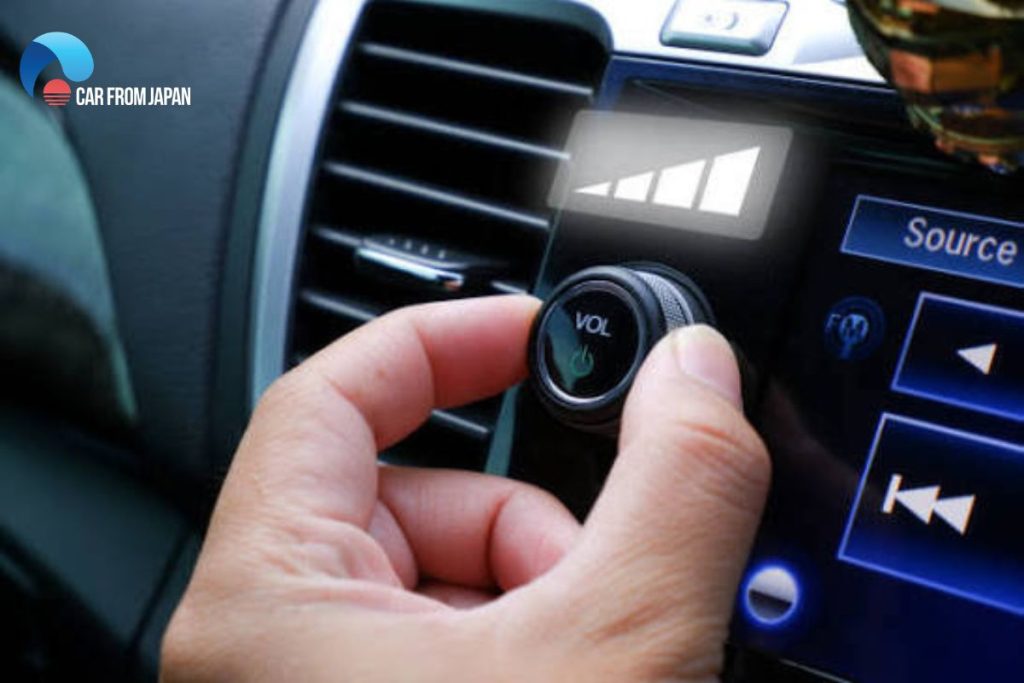
Driver B chooses a premium, verified Android head unit. It costs more upfront, but it arrives with a Plug-and-Play harness customized for their specific car. The installation takes half the time. The unit features an 8-Core Snapdragon processor and a built-in DSP. The interface is lightning-fast, and the audio quality is dramatically improved.
The second approach demonstrates an important lesson: the quality of the internal processing matters far more than the size of the screen.
Conclusion
The real cost of cheap vs. premium technology is not determined solely by the price on the checkout page. It is determined by hardware performance, sound quality, installation safety, and how long the system continues to satisfy you on your daily commute.
Ultra-budget components often create hidden costs through poor audio performance, frustrating software lag, and potential electrical damage to your vehicle. Ultimately, the smartest car audio upgrades focus on genuine long-term value rather than the lowest initial price point. By investing in premium, verified hardware, you guarantee a smoother, faster, and much better-sounding driving experience.
Frequently Asked Questions (FAQ)
Will a new head unit really make my factory speakers sound better?
Yes, if you buy a premium unit. High-quality systems include advanced Digital Signal Processors (DSP) and superior internal amplifiers. They send a much cleaner and more customizable audio signal to your factory speakers, which often results in deeper bass and clearer vocals without needing to replace the speakers themselves.
Why do cheap head units often lag or freeze?
Budget units frequently use older, low-tier processors (like generic quad-cores) and minimal RAM to keep prices down. Modern navigation and streaming apps require significant processing power, which easily overwhelms budget hardware, causing the unit to throttle, lag, or crash entirely.
Does installing a new screen void my car’s warranty?
If you purchase a budget unit that requires you to cut or splice factory wires, you risk voiding your car’s electrical warranty. However, premium systems utilize 100% Plug-and-Play harnesses that click directly into your factory connectors, ensuring your installation is non-destructive and fully reversible.