


TL;DR
- Three controls fail together on the same day because they share one connector: the spiral cable behind the steering wheel, usually called the clock spring.
- Inside it is a flat printed ribbon with slack for about three turns of the wheel in each direction, and it winds and unwinds on every steering input for the life of the car.
- Model-specific replacements are stocked from about AUD 99.99 to 139.99 with a 12 month warranty, so this is a cheap part being chased as three expensive faults.
- One model can carry five or six different part numbers, split by drivetrain, trim and build country. Ordering on model name alone is how cruise control stays dead after the repair.
- In the UK, “audible warning not working” is a Major MOT defect on its own, so a dead horn fails the test whatever caused it.
Short version: the parts are cheap and widely available. The expensive mistake is paying a workshop to chase three separate electrical faults that were always one part.
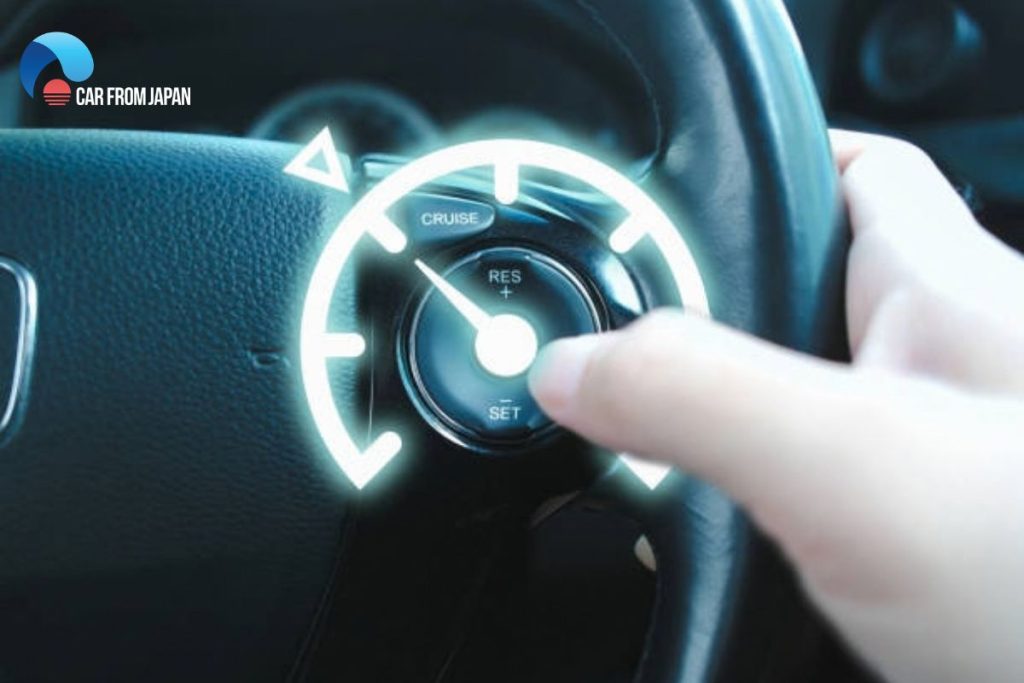
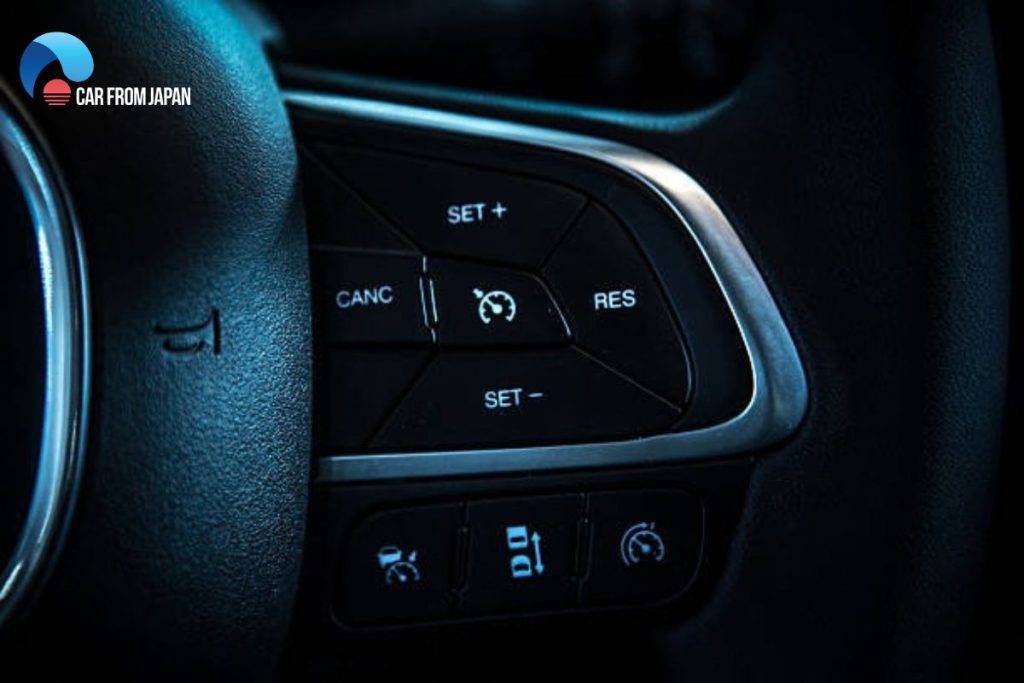
Three things stop working at once. The horn gives nothing. Cruise control will not set. The volume and phone buttons on the wheel have gone dead, and on some cars the airbag warning lamp comes on a week later. Nobody hits three unrelated faults on the same morning, and the reason is that all three signals leave the steering wheel through a single component: the spiral cable, known almost everywhere as the clock spring.
Contents
What the clock spring actually is
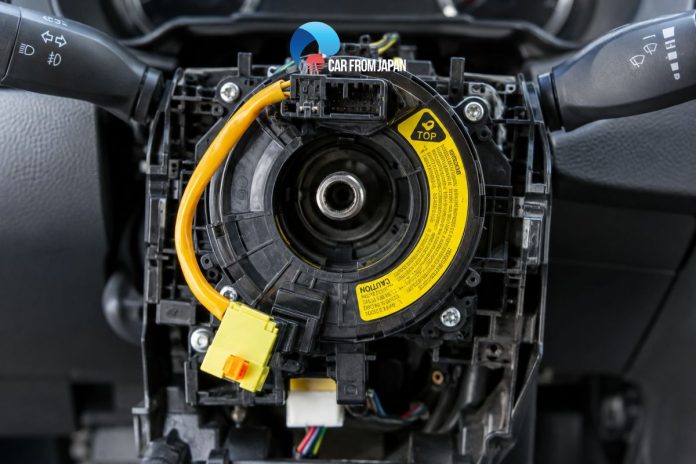
It is not a spring. It is a flat ribbon of printed conductors, coiled inside a plastic housing that sits between the steering wheel and the steering column. The wheel turns, the column does not, and the ribbon lets electrical signals cross that boundary without a sliding contact that would wear or arc.
The design has a hard limit built into it. The ribbon has enough slack for roughly three turns of the wheel in each direction, and it winds and unwinds every single time you steer. Park, reverse, three-point turn, tight car park, roundabout. Over a decade that is a lot of flex cycles on copper tracks printed thinner than a shoelace.
When one track cracks, only the circuit on that track dies. When several go, you get the classic trio: horn, cruise, wheel controls. The airbag circuit usually holds on longest, because it runs on the widest tracks in the ribbon, which is why the warning lamp tends to arrive last rather than first.
The symptom order, and what it tells you
The sequence matters more than any single fault, because it separates a spiral cable from the half-dozen other things people replace first.
| What you see | Clock spring likely? | What else it could be |
|---|---|---|
| Horn dead, everything else fine | Possible | Horn relay, fuse, horn button contact, corroded horn unit |
| Horn plus wheel audio buttons dead | Likely | Steering wheel switch pack |
| Horn, cruise and audio dead together | Very likely | Nothing else shares all three circuits |
| Any of the above plus an airbag lamp | Almost certain | Seat belt pretensioner or occupancy sensor faults |
| Faults come and go as you steer | Almost certain | Intermittent connector at the column |
That last row is the giveaway. If the horn works with the wheel straight and dies at full lock, the fault is inside something that moves with the wheel, and only one part in the car does.
What it costs to put right
This is where the numbers separate. The part itself is not exotic. Model-specific spiral cables are stocked as ordinary service items, and a unit for a common pickup runs about AUD 120 to 130. If you are working on a D40 or D23 pickup, a Nissan Navara clock spring is a stocked line item at around AUD 119.99 to 129.99 with a 12 month warranty, and the fitment is split by build country and trim because the connector counts differ.
That last detail is the one that catches people out. On a single model there can be five or six different spiral cables: two-wheel drive against four-wheel drive, with cruise and without, Thai-built against Spanish-built against Malaysian-built. Ordering on model name alone is how you end up with a part that physically fits and leaves cruise control dead.
Labour is usually quoted at an hour or two. The steering wheel comes off, the airbag module is disconnected first, the old unit unclips, and the new one arrives pre-centred with a lock tab you break off after fitting. If the wheel is refitted a spline out, the steering angle sensor reads wrong and stability control starts complaining, which is a separate rabbit hole; CarFromJapan’s guide to resetting the steering angle sensor without a scanner covers what that recalibration involves.
Check three things before you buy anything
Twenty minutes here saves you buying a part you did not need.
Start with the fuse and the relay. A dead horn on its own is a fuse or a relay far more often than it is a spiral cable. Pull the horn fuse, look at the element, then swap the relay with an identical one from another position and try again.
Then test at full lock. Sit stationary, turn to full left lock and press the horn. Full right. Straight ahead. Any difference between wheel positions puts the fault inside something that turns with the wheel.
Last, check the switch pack on its own. If every button on the wheel is dead but the horn still works, suspect the switch assembly or its short loom rather than the ribbon behind it.
If all three point the same way, you have your answer without a scan tool.
Why leaving it is a bad idea
A dead horn is not a comfort issue. In the UK, the MOT inspection manual lists “audible warning not working” as a Major defect, which is an outright fail, and most inspection regimes treat it the same way because a horn is required equipment rather than an accessory.
The airbag side is more serious. Once that lamp is lit, the restraint system has logged a fault and the module may not fire in a crash. The NHTSA’s guidance on air bags is blunt about restraint work belonging with someone who knows the system, and that is worth respecting: the module holds a charge, and disconnecting a live airbag connector in the wrong order is how people get hurt working on their own cars. Battery off, wait, then disconnect.
The part nobody suspects
The reason spiral cables get missed is that they fail as an electrical fault in three unrelated-looking systems, and nothing about the symptom points at the steering wheel. Workshops chase the horn circuit, then the cruise switch, then the audio head unit, and bill for each one.
If your car has lost more than one steering wheel function at the same time, start behind the wheel and work outward. It is a cheap part, an hour of labour, and it explains everything the car is doing.