


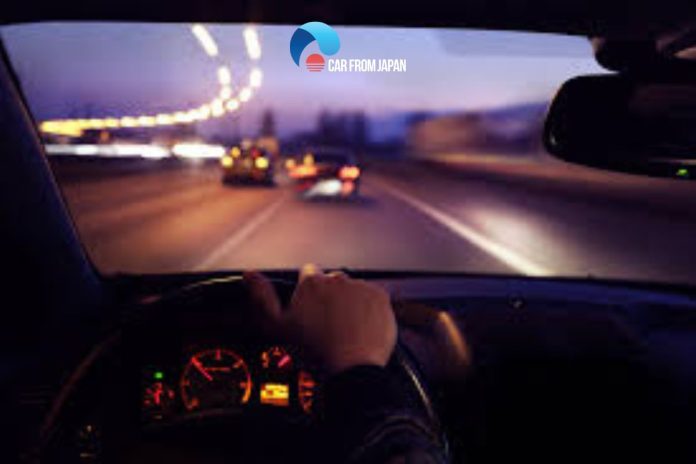
Most drivers will admit that night driving feels different. It is not just the darkness, it is the combination of reduced visibility, heavier fatigue, and the fact that you simply have less time to react to what is ahead.
Road accident data consistently shows that a disproportionate number of serious collisions happen after sunset, even though there is less traffic on the roads at that hour. That alone should make night driving something you take seriously.
The practical steps on driving safely at night are not complicated. But they do require a bit of deliberate effort, especially if night driving has become routine for you!
Contents
Tips for Driving Safely at Night
Get Your Car Ready Before It Gets Dark
This sounds obvious, but most people skip it. Before any night journey, particularly a long one, walk around your car and check that every external light is working. Headlights, tail lights, brake lights, indicators.
A broken tail light is invisible to you from the driver’s seat, but it puts you at serious risk from the vehicle behind.
Headlight alignment matters more than people realise. If your beams are pointing too low, you are not seeing enough road.
If they are pointing too high or angled outward, you are blinding oncoming drivers. Neither situation is safe, and both are worth having checked if you have not done so in a while.
The windscreen deserves attention too. A screen that looks fine during the day can become a problem at night, when oncoming headlights scatter across any grease, dust, or streaks on the glass. Clean it properly, inside and out, and replace your wiper blades if they are leaving marks.
Drive to What You Can Actually See
Speed limits are set for daylight conditions on clear, dry roads. At night, your stopping distance may well exceed the distance your headlights illuminate.
That is a gap between what you can see and what you need in order to stop safely, and it catches drivers off guard.
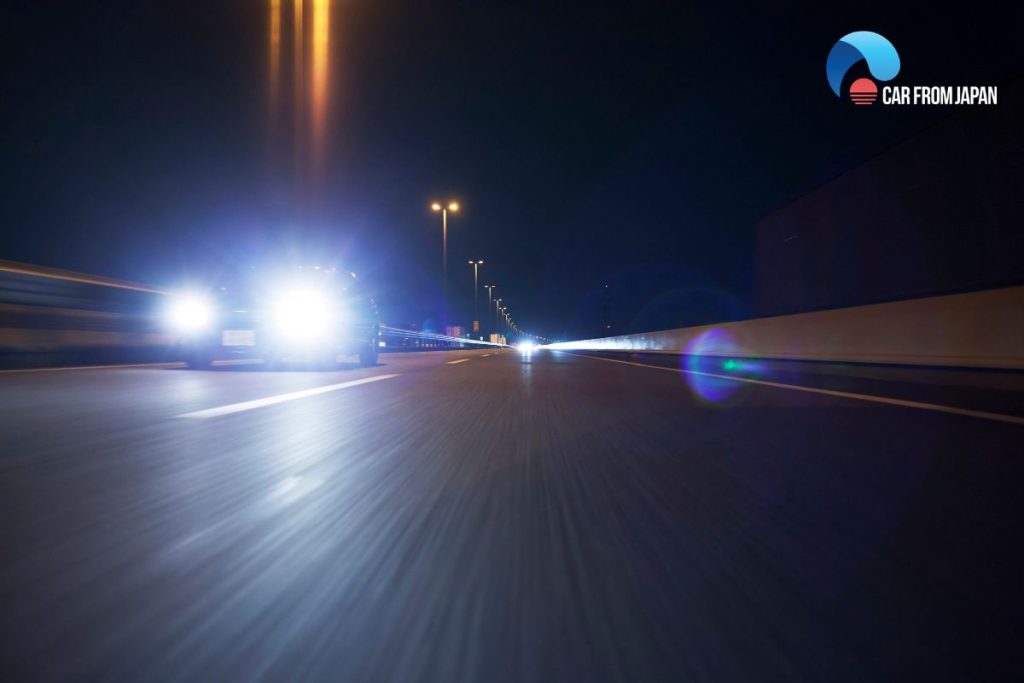
Slow down, particularly on rural roads and stretches without street lighting. Keep more space between you and the car ahead than you would during the day. And when an oncoming vehicle has its full beams on, resist the instinct to stare into the light.
Focus instead on the left edge of your lane until the vehicle has passed. These are small adjustments, but they add up.
Take Fatigue Seriously
There is a reason so many serious nighttime accidents involve a single vehicle leaving the road; fatigue is a major factor, and it is one that drivers routinely underestimate.
The body’s natural rhythm means alertness drops in the late evening and early morning hours, regardless of how much sleep you had the night before.
If you feel tired, pull over. A short rest genuinely helps in a way that coffee and music simply do not. On a long drive, identify rest stops in advance and use them.
If someone else in the car can drive, share the responsibility. Pushing through exhaustion on a quiet road at 2 a.m. is one of the more avoidable risks in driving.
Watch the Edges of the Road
Animals are far more active after dark, particularly in rural areas. A deer or stray dog can appear in your headlights with almost no warning, and swerving to avoid one is itself a hazard.
Slow down where animal crossing signs are present, and scan the sides of the road rather than fixating your gaze only on the centre.
Pedestrians are another consideration. Dark clothing, poorly lit footpaths, and the natural tendency for drivers to look straight ahead all combine to make pedestrians harder to spot at night. In residential streets and near bus stops, treat every shadow with a degree of caution.
Keep Your Vision in Good Order
Night vision deteriorates with age, and conditions like cataracts can significantly affect how well you see in low-light situations.
If you wear prescription glasses, make sure they have an anti-reflective coating, it reduces glare from oncoming lights considerably. An outdated prescription is worth updating, especially if night driving is part of your regular routine.
Do Not Overlook Your Insurance Cover
Responsible driving includes being adequately covered. Car insurance from providers like HDFC ERGO can be worth reviewing.
Their network includes over 12,200 cashless garages across India, which is genuinely useful if you need assistance after a late-night breakdown or accident.
They also offer a No Claim Bonus of up to 50% for drivers who go without making a claim, which reflects well on careful, attentive drivers.
Do note that benefits and terms vary depending on the specific policy, so it is worth reading the details before deciding what works for you.
Wrapping Up
Night driving does not have to feel uncertain. Most of the risk comes from gaps in preparation and habits that are easy to address.
Take the time to check your vehicle, adjust your pace, rest when you need to, and stay attentive to what is happening beyond your headlights. That is, in most cases, enough to make a real difference.