


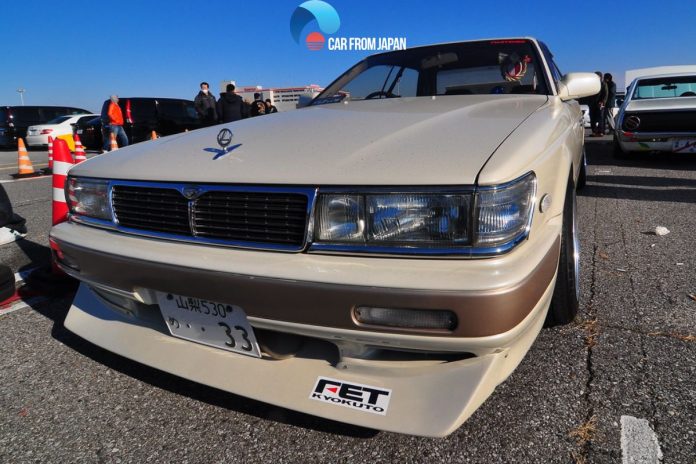
Among classic 1990s Japanese sedans, the Nissan Laurel C33 holds a special place. Known for its smooth inline-six engines and rear-wheel-drive layout, it shares much of its DNA with iconic Nissan models from the same era. But is it still a smart buy today? If you are considering buying a used Nissan Laurel C33, this guide will walk you through everything you need to know before you buy.
Contents
Nissan Laurel C33 Overview
Introduced in 1988, the Laurel C33 was the sixth generation of Laurel. It quickly became popular as a drift car due to its shared platform with both the Nissan Cefiro and Nissan Skyline R32, and thus had many interchangeable parts with them. Its combination of comfortable ride quality, rear-wheel-drive dynamics, and broad engine choice helped make it appealing both as a daily driver and as a platform for enthusiasts.

| Model code | C33 |
| Production | 1989-1993 |
| Body style | 4-door hardtop |
| Layout | Front engine/Rear drive |
| Engine | 1.8 L CA18i I4/ 2.0 L RB20E I6/ 2.0 L RB20DE DOHC I6 |
| Transmission | 5-speed manual 4/5-speed automatic |
| Wheelbase | 2,670 mm (105.1 in) |
| Length | 4,690 mm (184.6 in) |
| Width | 1,695 mm (66.7 in) |
| Height | 1,365 mm (53.7 in) |
| Curb weight | 1,330 kg (2,932.1 lb) |
Performance & Driving experience
The Nissan Laurel C33 has always been appreciated for a balanced driving feel that blends comfort with enough thrust for daily use. Its most common engines — especially the inline-six RB series — provide a smooth and refined power delivery, which makes highway cruising feel relaxed rather than strained. This, combined with a rear-wheel-drive layout, gives it a more engaging character than typical front-drive sedans from the same era.
Many buyers report that the C33 feels composed at speed, thanks to its suspension tuning that focuses on stability and comfort. Because it shares components with rear-drive Nissan sedans like the Cefiro and early Skyline, the chassis naturally encourages balanced handling rather than sharp, sporty behavior.
The car also has a reputation among the JDM community as a capable drift platform, largely because its engine/transmission layout suits rear-wheel drive projects. Enthusiasts appreciate its straight-six compatibility and familiar Nissan parts, which make it easier to personalize for spirited driving.
Reliability & Common issues
Overall, the C33 is considered reasonably reliable for a vehicle of its age when maintained properly, but there are a few things buyers should know.
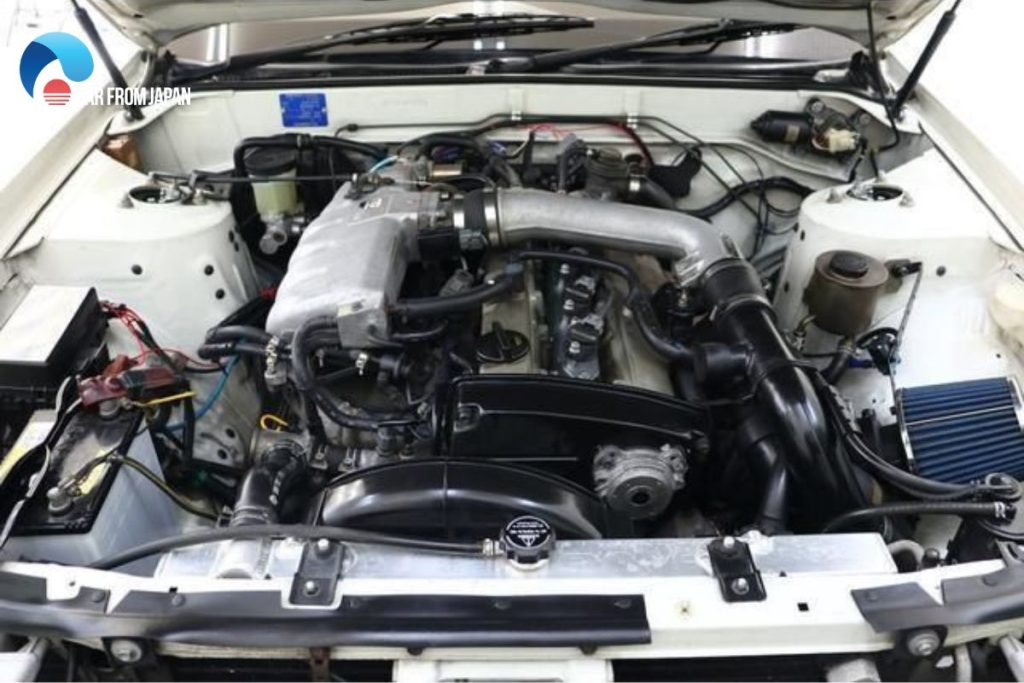
- Many RB inline-six engines can last a long time with regular servicing, but typical wear items on older models include cooling system components, seals and gaskets, and timing systems. Turbocharged variants (like the RB20DET) require careful attention to lubrication and heat management, as failures in those areas can be costly to fix.
- Rust is another common concern, especially in older JDM cars. Areas to watch include wheel arches, floor pans, and lower body panels — all places that can show corrosion first on a 30-plus-year-old car. While parts sharing with other Nissan RWD models helps with sourcing mechanical components, body panels, and trim can be harder to find, depending on where you live.
- Electrical aging is also a typical issue: switches, connectors, and interior electronics may become intermittent after decades of heat cycles and moisture exposure. Getting a thorough inspection before buying can help uncover these age-related concerns.
Ownership Costs
Owning a C33 can be rewarding, but it helps to understand the likely costs ahead of time:
Maintenance & Parts
Thanks to its shared architecture with other Nissan RWD models, parts for mechanical systems (RB engines, suspension, brakes) are relatively accessible. However, original body panels and trim can be rarer and pricier.
Routine maintenance items like oil changes, belts, and cooling system service are generally affordable, but age-related repairs (e.g., rubber hoses, seals) are common on cars of this vintage.

Fuel & Insurance
Fuel economy varies by engine — expect modest fuel use on four-cylinder models and reasonable figures on naturally aspirated sixes. Turbo and larger engines consume more, especially under spirited driving. Insurance costs depend on your region and coverage level, but classic car policies may reduce premiums if the car is registered as a collectible.
Import Costs
If you’re importing from Japan, platforms like carfromjapan.com show that used Laurels — including C33 models — can range widely in price, from around US$13,000–US$20,000+ for C33 examples depending on year, mileage, and condition. Additional costs for shipping and import duties should be factored into your budget as well.
Final Thoughts
The Nissan Laurel C33 is a solid choice if you want a classic Japanese car that offers both comfort and character. It drives smoothly, feels stable on the road, and still has enough potential for those who enjoy rear-wheel-drive cars. However, because of its age, buying the right condition is very important.
A well-maintained C33 can be reliable and enjoyable, while a poorly kept one may require costly repairs. Take your time to inspect the car carefully, review its history, and set a realistic budget. If you do that, the C33 can be a rewarding and practical classic to own.