


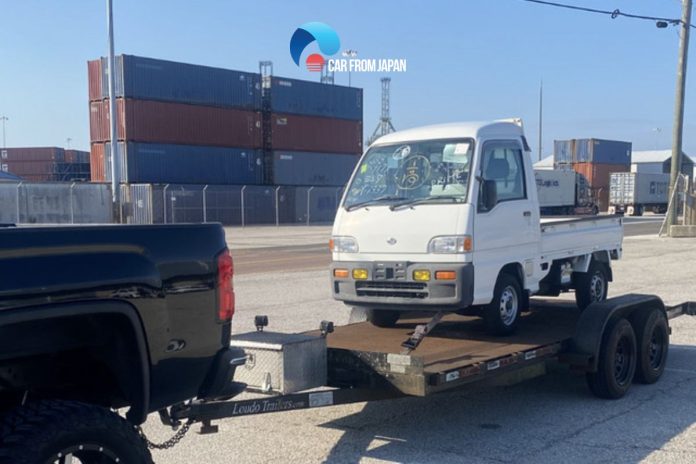
Importing a Subaru Sambar from Japan has become more common in recent years, especially among buyers seeking a small, practical truck. While the process is not overly complicated, it’s very different from buying a local vehicle. From regulations to shipping and condition, there are several things you need to understand before making a decision. How to import Subaru Sambar trucks to your country, let’s read this guide to know the whole process:
Contents
Can You Import Subaru Sambar Trucks From Japan?
Importing a Subaru Sambar from Japan is legally possible in many countries, but it depends heavily on age rules and local regulations, which you need to understand before buying:
Import rules by country
The most important rule in most markets is the vehicle age requirement:
United States:
- You can import a kei truck only if it is at least 25 years old.
- This is known as the 25-year rule, which exempts the vehicle from modern safety and emissions standards.
Canada:
- The rule is more flexible—you can import vehicles that are 15 years old or older.
Other countries (UK, Australia, etc.):
- Rules vary depending on local regulations
- Some countries allow imports with inspections or modifications
In general, kei trucks like the Subaru Sambar are legal to import in many countries, but always under specific conditions (especially age limits).
Even if you can import the vehicle, that does not automatically mean you can drive it freely on public roads.
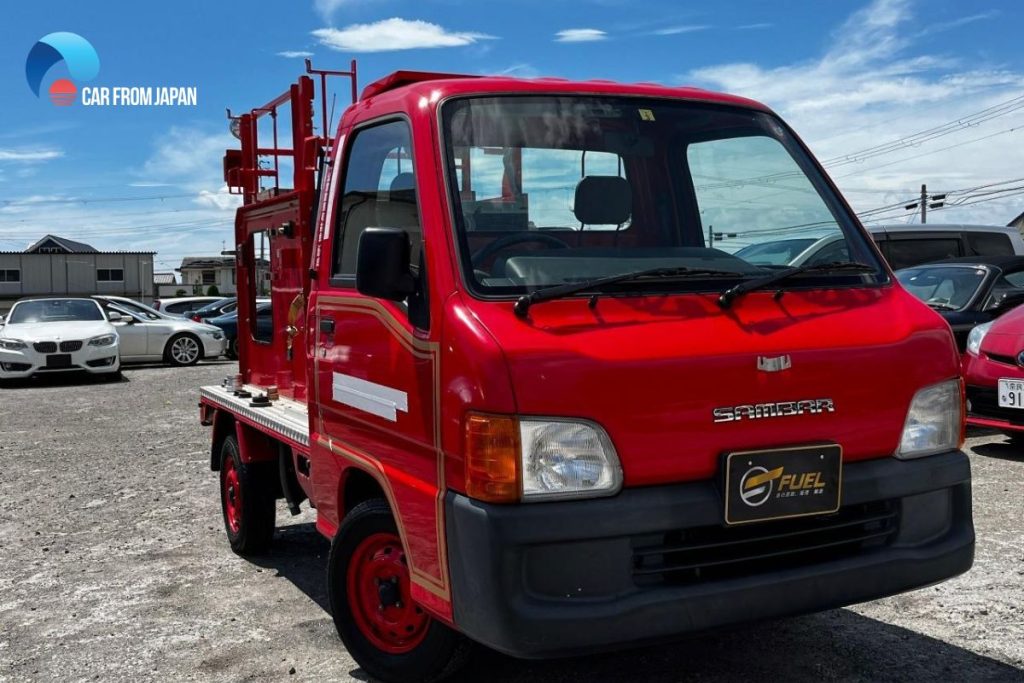
Registration and road use
In the United States:
- Federal law allows import, but road legality depends on each state
- Some states allow full registration, while others restrict use to:
Local roads:
- Agricultural or off-road purposes
- Modifications may be required, such as:
- Lighting (headlights, indicators)
- Safety equipment adjustments
- Basic inspections for road compliance
In Canada and other markets:
- Vehicles may need inspections before registration
- Some regions have additional requirements depending on the province or country
Importing is only the first step. You also need to make sure the truck can be legally registered and used in your area; otherwise, you may end up with a vehicle limited to private use.
How the Import Process Works
Once you understand the legal side, the next step is knowing how the process actually works when importing a Subaru Sambar from Japan. The steps are quite structured, especially when working with exporters.

Finding and buying the truck
The process usually starts with choosing a reliable exporter or platform, such as Car From Japan, where you can access listings directly from Japan. You’ll need to:
- Browse available units and compare condition, mileage, and year
- Check photos and inspection details carefully
- Select a vehicle that matches your needs and budget
Once you’ve decided, you place an order and arrange payment, which is typically done through an international bank transfer. At this stage, the exporter will handle the preparation for shipping.
Shipping and delivery
After purchase, the truck is shipped from Japan to your destination port. This part of the process can take several weeks, depending on the shipping schedule and distance. The shipment usually includes:
- Export documentation from Japan
- Transport by cargo vessel (often roll-on/roll-off shipping)
When the vehicle arrives, it must go through customs clearance in your country. You’ll need to:
- Submit required documents
- Pay applicable duties and fees
Only after this step can the vehicle be released for registration.
Costs you should expect
Importing a Subaru Sambar involves more than just the purchase price, so it’s important to plan your budget carefully.
Main costs include:
- Vehicle price (based on condition, year, and mileage)
- Shipping fees from Japan
- Taxes and import duties depend on your country
- Registration and compliance costs after arrival
These costs can vary, but together they determine the total landed price of the truck.
What To Expect After Importing
Once your Subaru Sambar arrives, the experience doesn’t stop at delivery. This is where expectations need to match reality, especially since most imported units are older vehicles.
Condition on arrival
Most Subaru Sambar trucks imported from Japan are used vehicles, often 20 years old or more, due to import regulations in many countries. Even if the truck looks clean in photos, it’s normal to find:
- Minor wear and tear
- Aging components that have not been replaced yet
Because of this, many owners choose to do basic maintenance right away, such as:
- Changing engine oil and fluids
- Inspecting key components
- Replacing worn parts if needed
This helps ensure the truck is in good working condition from the start.
Driving experience and limitations
The Subaru Sambar is built as a kei truck, so its performance is designed for practicality rather than power. In real use:
- It works best for city driving or light-duty tasks
- The small engine provides enough power for short trips and local use
However, there are clear limitations:
- Limited top speed and acceleration
- Not suitable for long highway driving, especially at higher speeds
This means the truck is ideal for specific uses, but not for every driving situation.

Final Thoughts
Importing a Subaru Sambar from Japan can be a practical option if you know what to expect. The process is manageable, but it requires attention to legal rules, costs, and the condition of the vehicle.
At the same time, it’s important to remember that most units are older and may need some maintenance after arrival. With the right preparation and realistic expectations, the Subaru Sambar can still be a useful and reliable truck for the right purpose.





