


As one of the memorable sports icons of the 90s in the renowned JDM automotive industry, the Suzuki Cappuccino rose to prominence with its stunning convertible design.
Although it boasts the compact body of a Kei car, you might be surprised to find a rare rear-wheel drive (FR) configuration and longitudinally mounted engine peeking out from underneath.
This unique combination helped elevate the Cappuccino beyond the confines of a street vehicle, transforming it into a high-performance machine with a more energetic driving feel.
This model is divided into two representative engine codes throughout its development: EA11R and EA21R, the Suzuki Cappuccino engine hidden under the hood that sparked much debate within the JDM community.
More than three decades after its public debut, car enthusiasts continue to discuss the durability of the F6A engine generation and the modernity of the K6A.
So, in your opinion, what is the most powerful heart for the Suzuki Cappuccino?
Contents
Which Suzuki Cappuccino Engine is The Ultimate Powerplant?
The F6A (EA11R): The Iron-Block Pioneer
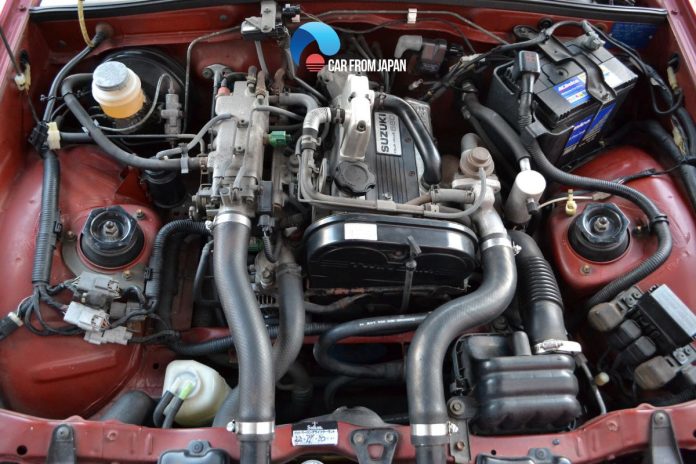
The EA11R series is equipped with a 3-cylinder, 12-valve, DOHC F6A engine combined with an intercooled turbocharger.
In the early 1990s, this was an iconic Suzuki engine structure, notable for its turbocharger sound at high RPMs.
The cast iron block is perhaps the most valuable feature of this F6A engine. This block provides superior rigidity, heat resistance, and high compression pressure resistance, unlike modern aluminum alloys.
This outstanding feature allows enthusiasts to push the turbocharger pressure (boost) to high levels without worrying about deformation or cracking of the engine block when building high-performance bikes.
From that solid foundation, the first-generation Cappuccino engine held enormous potential for speed enthusiasts. Owners can increase the car’s actual power output to 100-120 horsepower while maintaining the stability of the internal components.
This means that even though Kei cars in Japan are limited to 64 horsepower, upgrading the turbocharger and fine-tuning the ECU is still relatively easy.
However, the F6A uses a timing belt instead of a timing chain because it’s an early-generation engine.
Owners need to check and replace this part periodically according to the manufacturer’s instructions to avoid the risk of belt breakage, causing damage to the valve and piston systems.
The K6A (EA21R): The Aluminum Evolution
The K6A EA21R engine block marks a major materials revolution, transitioning from a cast-iron engine block to a high-strength aluminum alloy.
This material change results in a lighter vehicle and optimizes the weight distribution to nearly 50-50 between the front and rear axles.
The change directly improves steering responsiveness and makes the vehicle more agile and sensitive in sharp cornering situations.
Suzuki modernized the K6A with a timing chain system, replacing the traditional belt drive, making the system easier to maintain.
The new generation Suzuki Cappuccino engine also features an ECU-based engine management system that allows for precise control of fuel injection and ignition, aiming to optimize power and meet stringent Japanese emission standards for many years.
Not only does the K6A engine in the EA21R series have an advantage in weight, but it also boasts better torque at low and medium RPM ranges.
Thanks to this good torque, riders can navigate urban areas more easily, with the throttle responding instantly without having to push the engine RPM too high, like with older engine generations.
The EA21R is still praised as a perfected model in the Cappuccino series, thanks to its balanced combination of material technology and operational efficiency for everyday use.
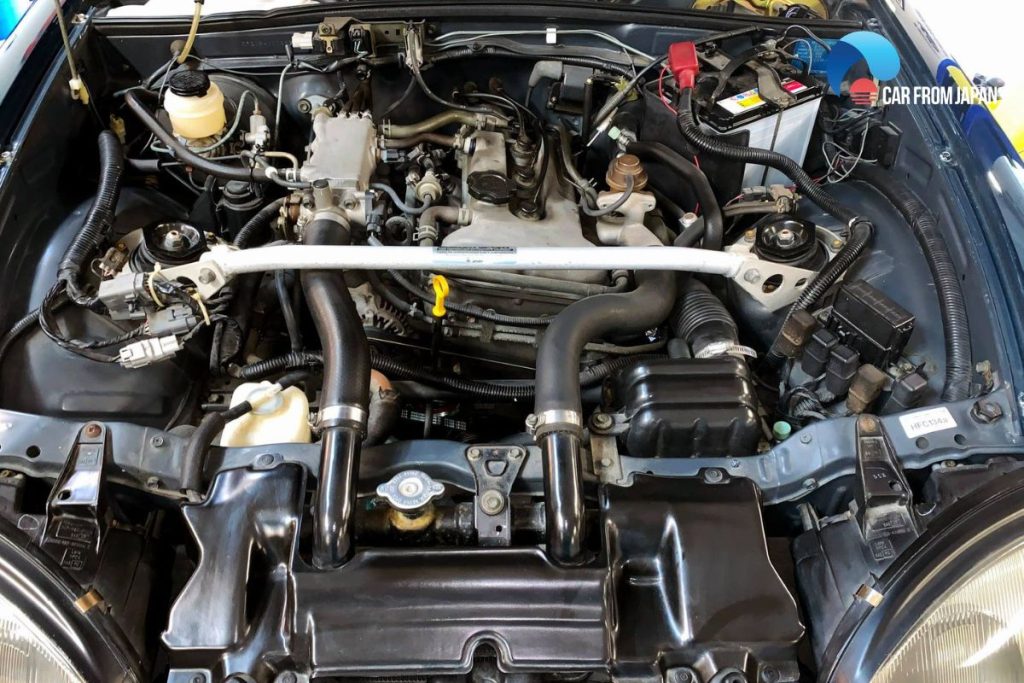
Technical Comparison Between F6A vs. K6A engine
The difference between the timing chain system of the K6A and the timing belt in the F6A is what modern automotive enthusiasts pay attention to when weighing their reliability.
In contrast to the strict maintenance schedule of belt-driven engines, the timing chain on the K6A offers almost absolute durability for the vehicle’s system. You may have no worries about unexpected timing belt breakage.
However, if you pay attention to market trends, many drivers still accept the meticulous maintenance of the F6A in exchange for a simpler mechanical structure, easier to intervene in and repair whenever they want to fine-tune performance.
The switch from cast iron to aluminum in the later Suzuki Cappuccino motor block had a noticeable impact on the vehicle’s handling.
The aluminum K6A engine version reduced the engine weight by about 10kg, making the front of the bike lighter and reducing understeer during sharp turns. On the other hand, the F6A cast iron engine block, while heavier, offers a more solid and stable feel at high speeds.
When the speedometer needle hits the Redline, the two engine blocks provide a completely different experience.
The F6A has a rough and mechanical sound whenever the turbocharger reaches peak intake, while the K6A operates smoothly at high RPMs, thanks to Suzuki’s balancing and friction-reducing technology.
SEE MORE: Suzuki Cappuccino Vs Honda Beat: The Detailed Comparison
Tuning Potential of the Cappuccino Car Engine
In the colorful and diverse world of JDM modification, the top priority for power enthusiasts remains the cast-iron Suzuki Cappuccino F6A engine, thanks to its superior heat and compression pressure resistance.
You can fully exploit the boost potential of this engine (potentially exceeding 120 horsepower) without worrying about engine block deformation or cracking.
The aluminum K6A engine of the EA21R is suitable for riders who appreciate balance and responsive throttle.
With its lightweight design and modern control technology, JDM enthusiasts often use the K6A for sophisticated modifications to optimize performance and maintain stability for everyday use.
If you’ve delved into the Japanese domestic tuning market, especially for highly sought-after models like the Cappuccino, you’ll be surprised by the ecosystem of aftermarket parts and upgrade materials.
Even though these two engine lines have been around for decades, users can easily find quality aftermarket parts, from turbochargers and custom ECU systems to specialized components.
The availability of aftermarket parts helps keep older engines running and allows modern owners to explore their limits on any road!
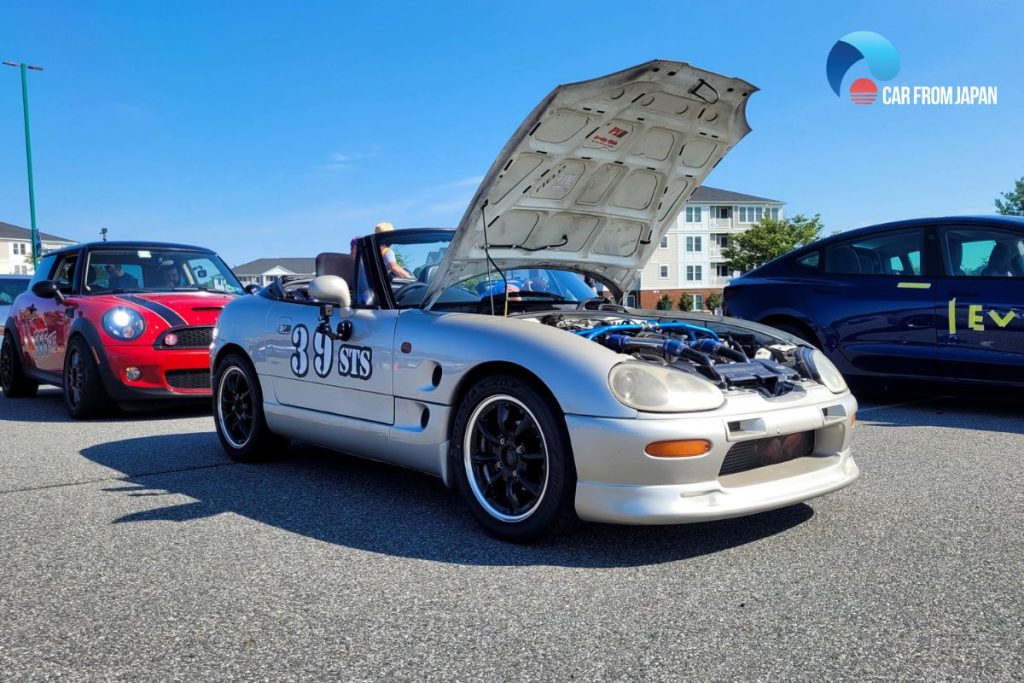
Which Suzuki Cappuccino Engine Should You Choose?
Your preference will depend on your personality, preferences, and goals for this stylish, sporty Kei car.
If you are a speed enthusiast craving the mechanical feel of 1991-1992 and intend to build a high-performance version in the long run, prioritize exploring the F6A engine.
Conversely, the K6A Cappuccino engine will be the ideal companion for JDM enthusiasts who value lightweight cars, smooth handling, and easy maintenance for modern needs.
Ultimately, whether it is a traditional cast-iron engine or an advanced aluminum alloy engine under the hood, the Suzuki Cappuccino engine remains an irreplaceable engineering masterpiece in JDM history.
Each engine variant offers a distinct character, contributing to a car with personality that delivers pure driving pleasure.
Which Suzuki Cappuccino for sale interests you? Car From Japan will always offer you the best and most polished models. Stay tuned!