


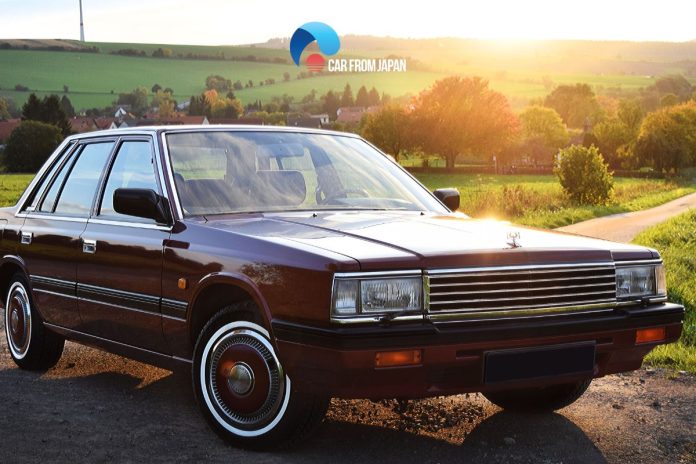
If you’ve ever looked into classic Japanese sedans, you’ve probably come across the Nissan Laurel. It may not be as famous as the Skyline, but the Nissan Laurel deserves some credit, too. Across its long production run, it offered a wide range of engines that focused on smooth driving, reliability, and everyday usability. In this guide, we’ll break down the Nissan Laurel engine options and what makes them special.
Contents
Overview of Nissan Laurel Engines
Manufactured from 1968 to 2002, the Nissan Laurel was offered with a wide range of engines. Depending on the generation and market, buyers could choose between inline-4 and inline-6 gasoline engines, as well as a few diesel options focused on fuel economy and long-distance use.
In the early years, the Laurel used simple carbureted engines that were built for reliability and easy maintenance. As the car evolved through the 1980s and 1990s, Nissan introduced more advanced fuel-injected engines, improving power, efficiency, and smoothness.
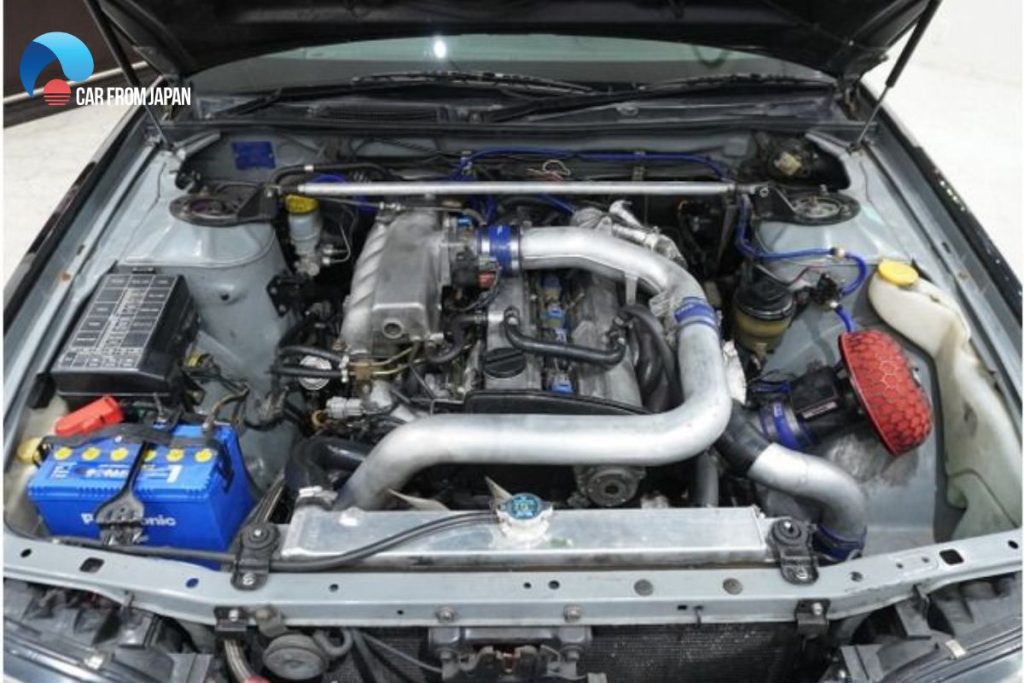
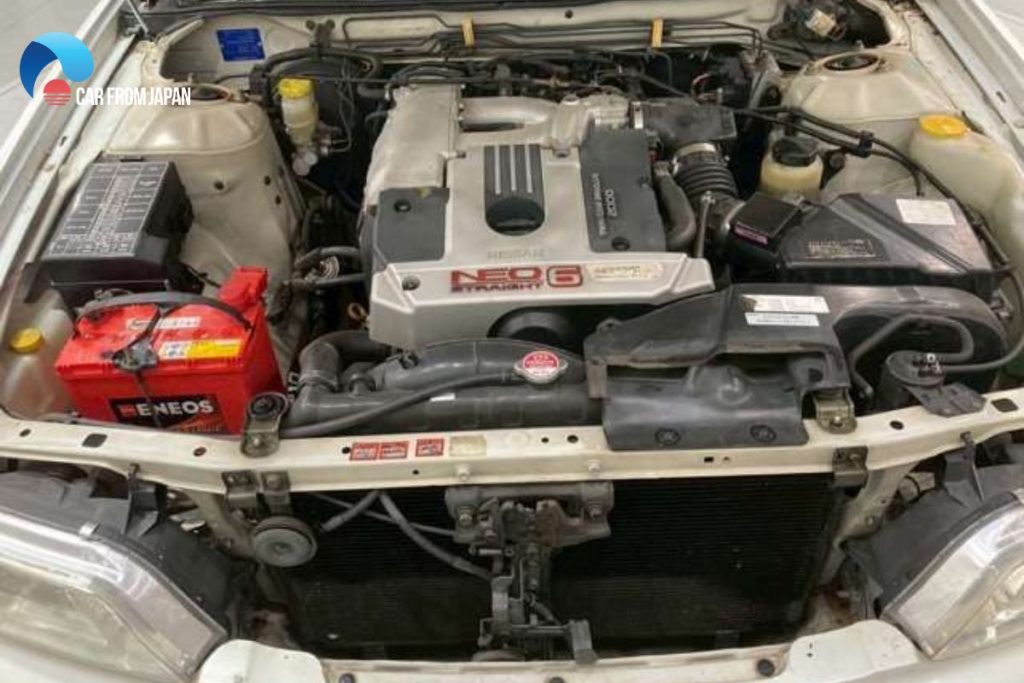
One of the most notable changes came later in its life when the Laurel began using inline-six engines, especially the well-known RB series. These engines gave the Laurel a smoother and more refined driving feel, which matched its role as a comfortable, mid-size sedan.
Overall, the Nissan Laurel engine lineup reflects how Nissan’s engineering developed over time—from simple, durable designs to more modern and refined powertrains.
Nissan Laurel Engine Options by Generation
Now that we’ve looked at the overall engine lineup, it helps to see how those engines changed over time. Because the Nissan Laurel was produced for more than three decades, each generation introduced different engine choices to match new technology and market needs.
Now that we’ve looked at the overall engine lineup, it helps to see how those engines changed over time. Because the Nissan Laurel was produced for more than three decades, each generation introduced different engine choices to match new technology and market needs.
Early generations (C30, C130, C230 — late 1960s to 1980)
The first Laurel models focused on simple and dependable power. Buyers could choose from inline-4 and inline-6 gasoline engines from Nissan’s early L-series family. These engines were smooth for their time and easy to maintain, which suited the Laurel’s role as a comfortable daily sedan.
Mid generations (C31, C32 — 1980 to 1989)
As the Laurel moved into the 1980s, the engine lineup became more varied:
- L-series inline-6 engines (such as L24E) for smooth highway driving
- CA-series inline-4 engines for better fuel economy
- VG30E V6 in higher-trim models
- Diesel options like LD28 and RD28 for long-distance efficiency
This period marked a shift toward more modern fuel systems and broader engine choices, giving buyers more flexibility depending on their needs.
Performance era (C33, C34 — 1989 to 1997)
In the 1990s, the Laurel adopted Nissan’s more advanced engine technology. Most importantly, it began using the RB-series inline-six engines, including:
- RB20E / RB20DE
- Turbocharged RB20DET
- RB25DET in higher-performance models
These engines brought smoother performance and stronger power delivery, giving the Laurel a more refined and slightly sportier character while remaining a comfortable sedan. Diesel RD28 engines were still available for buyers focused on fuel economy.
Final generation (C35 — late 1990s to early 2000s)

The last generation refined the formula even further, continuing with modern inline-six engines and improved fuel injection systems. The focus here was on smoothness, comfort, and everyday drivability, matching the Laurel’s position as a premium mid-size sedan in its final years.
Performance and Driving Feel
On the road, the Nissan Laurel is known for a smooth and composed driving experience rather than aggressive performance.
Models equipped with inline-6 engines stand out the most. This engine layout is naturally well balanced, so it delivers quieter operation, less vibration, and very smooth acceleration. That makes the Laurel feel comfortable and refined, especially during highway driving or longer trips.
Overall tuning leans toward comfort and stability. Steering, suspension, and throttle response are designed to be easy and predictable, which suits daily driving and relaxed cruising. Even turbocharged versions focus more on steady power delivery than sharp, sporty response.
Some Laurel generations also share engine platforms with cars like the Nissan Skyline and Nissan Cefiro, which helps explain their solid performance base and reliability. However, in the Laurel, these engines are tuned to prioritize refinement over speed.
Which Nissan Laurel Engine Is Best?
Because the Nissan Laurel was offered with many different engines over the years, the “best” choice really depends on what you want from the car. Here’s a simple way to look at it:
Reliability: L-Series engines
If you want something simple, durable, and easy to maintain, the older L-series inline-6 engines are a strong choice. These engines are known for their solid construction and long service life, with fewer electronics and a straightforward mechanical design. For classic car owners who value reliability and ease of repair, the L-series is often the safest option.
Performance: RB-Series engines
For drivers who want more power and a more modern feel, the RB-series inline-6 engines are the top pick. Found in later Laurel generations, these engines offer stronger performance, smoother power delivery, and turbocharged options like the RB20DET or RB25DET. They also share a performance background with other Nissan models, which makes them popular among enthusiasts.
Economy: Diesel engines
If fuel efficiency and long-distance driving are the priority, the Laurel’s diesel engines (such as the LD and RD series) are the most practical choice. They are known for good fuel economy, strong low-end torque, and durability, making them suitable for daily use or long highway trips.
In short, there isn’t a single “best” engine for everyone — it depends on whether you care more about reliability, performance, or efficiency.
Final Thoughts
The Nissan Laurel may not always get the same attention as some of Nissan’s more famous models, but its engine lineup tells a different story. From simple and durable L-series engines to refined inline-six RB units and efficient diesel options, the Laurel offered something for almost every type of driver.
What makes these engines stand out is not just their specifications, but how well they match the car’s purpose — a smooth, comfortable sedan that’s easy to live with every day. Whether you’re interested in reliability, balanced performance, or fuel efficiency, there’s a Nissan Laurel engine that fits that need.
In the end, the Laurel proves that you don’t need extreme horsepower to create a satisfying driving experience — refinement, balance, and consistency can matter just as much.