


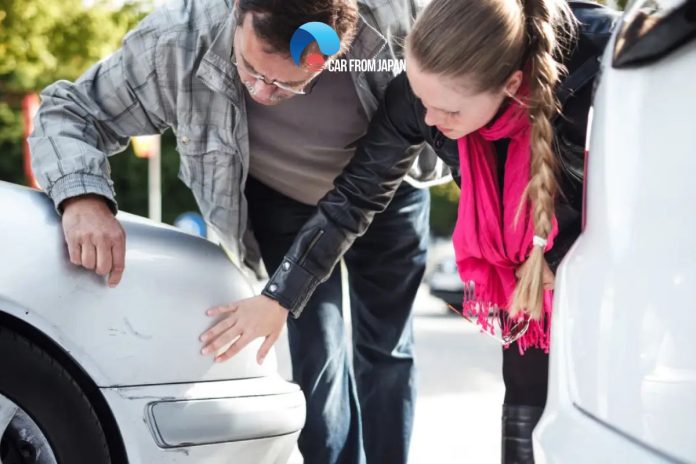
Even a minor collision can be stressful and disruptive, especially when you’ve imported a vehicle from Japan and invested in a unique car not commonly seen on U.S. roads.
Whether you own a classic right-hand-drive kei truck, a low-mile Japanese import SUV, or a sporty JDM coupe, how you handle post-accident repairs matters.
Mishandling the process can cost you more in time, money, and future resale value, not to mention potential safety risks.
After an accident, it’s also worth considering whether you need to consult a lawyer, particularly if you face disputes with insurers, issues with liability, or injuries—even in minor collisions—as legal guidance can protect your rights and help with claims handling.
Unfortunately, many drivers make common yet avoidable mistakes that complicate repair outcomes. Below are the worst ways to approach vehicle repairs after a minor collision, and why they can backfire.
Contents
- The Worst Ways to Handle Repairs After a Minor Collision
- Ignoring a Full Damage Assessment
- Trying to Fix It Yourself Without Expertise
- Not Documenting Everything
- Choosing the Cheapest Possible Fix
- Assuming Paint Matching Is Just Cosmetic
- Accepting Insurance-Selected Shops Without Question
- Not Consulting a Lawyer When Needed
- Failing to Follow Post-Repair Care Instructions
The Worst Ways to Handle Repairs After a Minor Collision
Ignoring a Full Damage Assessment
One of the biggest mistakes drivers make is assuming that minor visible damage tells the whole story. Your car may look fine after a small fender bender, but there could be hidden structural or mechanical issues beneath the surface.
Skipping a professional repair estimate or failing to check the vehicle’s frame and alignment means you may unknowingly drive a compromised car.
Modern vehicles have tightly integrated structural designs where even minor impacts can shift components that affect steering, tire wear, and crash performance.
Ignoring these risks can turn a “minor” collision into long-term problems, potentially decreasing your safety and increasing repair costs later.
Trying to Fix It Yourself Without Expertise
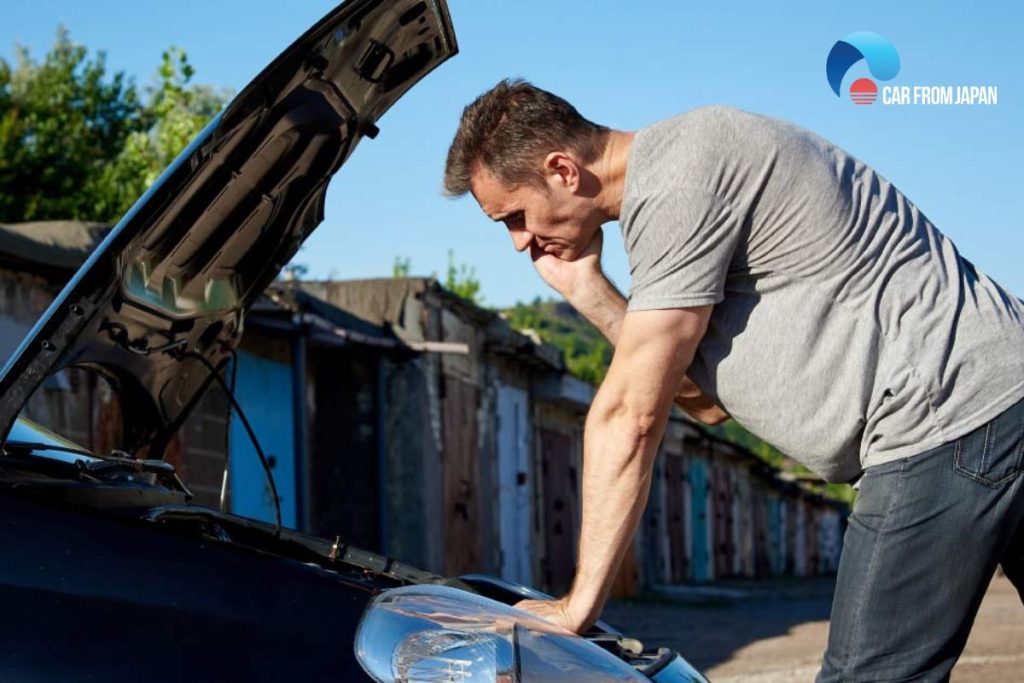
DIY repairs might be tempting if you’re handy and trying to save cash, but attempting bodywork or mechanical fixes without the right tools and know-how is a recipe for disaster.
Improper repairs can worsen structural issues, cause misaligned body panels, or compromise underlying systems.
For imported cars, the risks are compounded by unfamiliar designs and parts that aren’t always easily interchangeable.
In many cases, what appears to be a simple scratch or small dent can mask deeper alignment or subsystem damage that only trained professionals can uncover.
Taking shortcuts may save a few dollars up front, but the long-term financial and safety-related costs can be significant.
Not Documenting Everything
Accident documentation is essential, not just for insurance claims but also for future reference in the event of disputes.
A surprising number of drivers fail to photograph damage thoroughly, record accident details, or keep copies of estimates and correspondence. Without documentation, it becomes your word against an insurer or another party.
For Japanese imports, detailed records can also help if you need specialized parts or if warranties are involved.
Photos, notes, and estimates ensure you or your repair provider know exactly what was affected and what’s being replaced.
Choosing the Cheapest Possible Fix
When you’re hit with repair bills, it’s tempting to cut costs wherever possible. However, choosing the cheapest repair shop or opting for the least expensive parts can be one of the worst decisions you make after a collision.
Low-cost shops may not have the tools, certifications, or expertise needed to repair modern cars properly.
This problem is especially acute with Japanese imports. Many right-hand-drive imports or uncommon models require specific parts and expertise, which cheap, generic shops might not stock or understand.
Using incorrect replacement parts, cheap aftermarket pieces, or failing to specify OEM (Original Equipment Manufacturer) components can lead to poor fitment, reduced performance, and even safety concerns.
In some cases, warranty coverage or future resale value can also be negatively impacted because your vehicle was not restored with authentic or correctly matched components.
Assuming Paint Matching Is Just Cosmetic
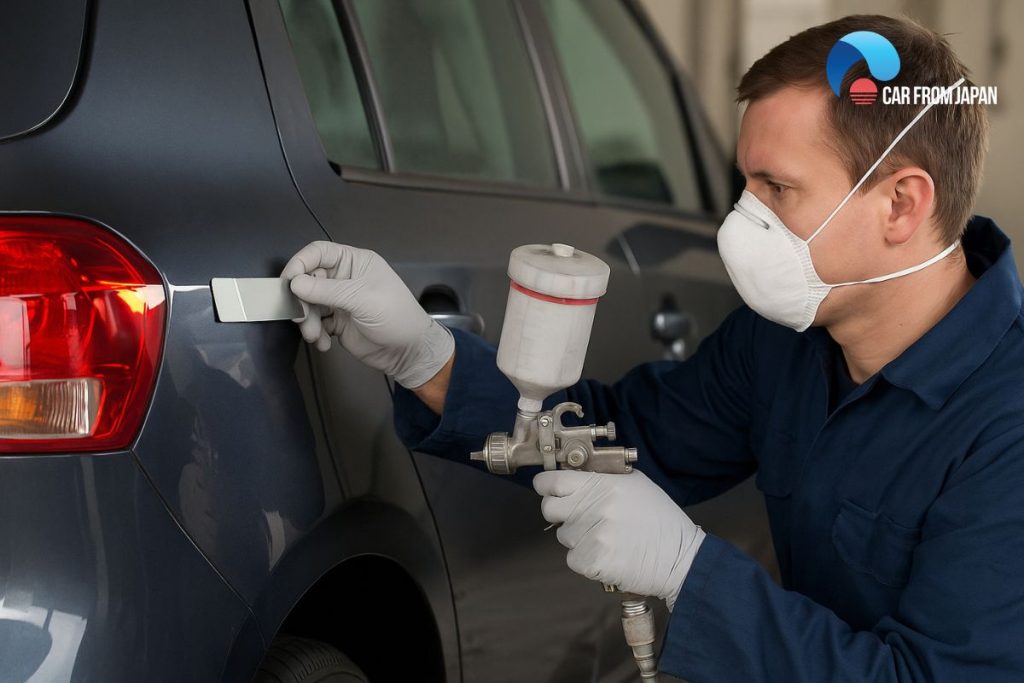
Another frequent mistake is downplaying the importance of proper paint matching. While mismatched paint might not seem like a big deal compared to mechanical repairs, it directly affects your vehicle’s overall quality and value.
Japanese cars are often prized for their high-quality finishes, and mismatched paint can stand out even more on unique import vehicles.
Good collision repair specialists use advanced color-matching technology and experienced painters to ensure the repaired area blends seamlessly with the rest of the body.
Ignoring this step can cost you when it comes time to sell or trade in your vehicle.
Accepting Insurance-Selected Shops Without Question
When you file a claim, insurance companies will often recommend (or even contract with) specific repair shops. While this might seem convenient, blindly accepting the insurer’s recommendation can be a mistake.
Some “in-network” collision centers may prioritise costs over quality, use aftermarket parts without clear disclosure, or alter repair plans without notifying you.
One common issue reported by drivers is that insurers or shops switch out promised OEM parts for cheaper alternatives without the owner’s knowledge.
This can leave your vehicle less durable, reduce its future value, and even affect safety. Always ask for clarity on what parts will be used, confirm in writing, and if necessary, insist on your preferred repair provider.
Not Consulting a Lawyer When Needed
One of the biggest and most expensive mistakes drivers make is failing to consult a lawyer when they face complications with insurance payouts, fault disputes, or inadequate repair outcomes.
If an insurer refuses to cover necessary repairs, delays payment, or undervalues the damage, legal guidance can help you navigate these disputes and secure a fair resolution.
A lawyer can negotiate with insurers on your behalf, help organise evidence and documentation, and even manage your repair process so you’re not left handling complex details while dealing with the aftermath of an accident.
Failing to Follow Post-Repair Care Instructions
Once repairs are complete, your responsibility doesn’t end there. Ignoring the technician’s instructions for post-repair care, such as avoiding certain chemicals, delaying washes, or protecting the paint finish, is another common misstep.
Paint, fillers, and sealants can take time to cure, and exposing them to harsh conditions too soon can reduce durability and appearance.
Your Japanese vehicle is an investment worth protecting with informed choices. Following these guidelines will help maintain your car’s appearance and performance after the repair, and ensure that the minor collision doesn’t leave you with major long-term effects.