


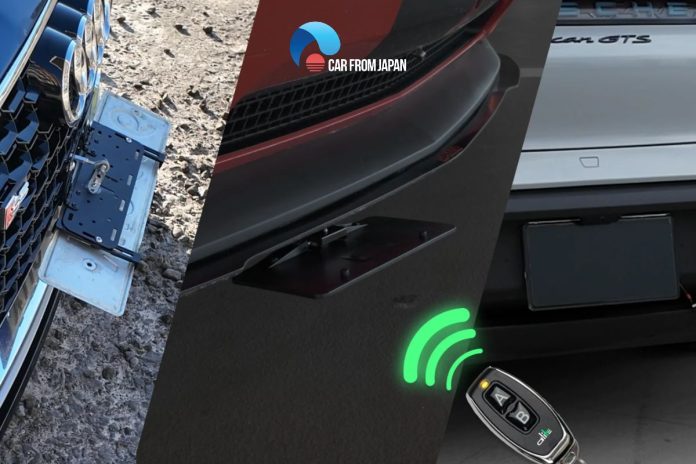
American drivers have long treated cars as more than transportation. Hot rods, lowriders, custom pickups, and weekend show cars reflect a culture of experimentation. Remote-controlled technology introduced another possibility: owners could activate selected features without reaching for a mechanical lever or stepping into the vehicle.
That interest now includes specialized exterior accessories. A license plate flipper from Alite illustrates the idea of a movable component within a compact assembly. However, devices that conceal or switch registration plates are prohibited in some states, and public-road identification requirements must always be respected.
Contents
From Mechanical Customization to Electronic Convenience
American customization originally depended heavily on hands-on mechanical work. Builders adjusted suspension systems, replaced body panels, and installed distinctive lighting. Many modifications were controlled through conventional switches or direct physical movement.
As electronics became more affordable, small motors and wireless receivers offered new ways to operate equipment. A driver could trigger a compatible accessory from a handheld transmitter rather than manipulate the component directly.
The appeal was partly practical and partly theatrical. At car gatherings, even a simple powered movement could draw attention when integrated thoughtfully into a custom build. These gatherings also gave enthusiasts opportunities to compare installations, discuss reliability, and learn which electronic additions suited particular vehicles. Shared experience often mattered more than an impressive advertisement.
How Remote Controls Became Familiar
Remote keyless entry helped normalize the idea of communicating with a vehicle from a distance. By the 1990s, remote locking systems had become familiar to American motorists.
Later, remote starters, garage door integrations, and powered tailgates expanded expectations about convenience. Different products used different communication methods, but the interaction felt similar: press a control and receive a visible or audible response.
For aftermarket designers, this familiarity lowered the learning curve. Owners already understood the basic relationship between a transmitter, a receiver, and a vehicle function. Nevertheless, wireless convenience requires responsible design. A control should resist accidental activation, and its operation should remain understandable to someone encountering the vehicle for the first time.
Gadgets Across Different Car Communities
Remote-controlled accessories appear in several corners of American automotive culture, although their purposes vary considerably.
- Custom pickups: Powered tonneau covers and compatible lighting controls support convenience and presentation.
- Lowrider builds: Electronically activated suspension controls can form part of engineered show setups.
- Outdoor vehicles: Remote winch controllers can assist recovery operations when used with proper safety procedures.
- Daily drivers: Remote starters and powered access systems offer comfort and practical utility.
- Show cars: Motorized panels and display features can create memorable demonstrations at private events.
These examples demonstrate that remote operation is not a single design trend. It connects different communities through a shared interest in control, movement, and personalization.
A remote command may feel instantaneous, but reliable operation depends on several components working together. The transmitter sends a signal, a receiver interprets it, and a controller activates the appropriate mechanism.
Designers must consider electrical protection, signal interference, operating range, and unintended activation. Mechanical parts also need adequate clearance and secure mounting.
Outdoor installations face additional challenges from rain, road salt, vibration, and temperature changes. A compact motor that performs well indoors may require extra protection on an exposed vehicle.
Clear feedback matters too. Users should know whether an accessory has completed its movement, stopped unexpectedly, or lost power.
Why American Road Rules Matter
Car shows and private property do not automatically follow the same rules as public streets. Even when a gadget functions correctly, its intended use may be restricted by state law.
Registration plate devices deserve particular caution. Pennsylvania law, for example, prohibits possessing, purchasing, installing, selling, or using defined registration plate flipping devices. The restriction includes mechanisms designed to switch displayed plates or hide their numbers.
Owners should check current rules in every relevant jurisdiction before purchasing or fitting exterior equipment. Compliance, visibility, and vehicle identification should never be treated as optional details.
Choosing Technology That Adds Value
Enthusiasts evaluating electronic accessories should begin with the problem they want to solve. Remote operation can be useful when it improves access, reduces physical effort, or makes a legitimate function easier to control.
Installation quality is equally important. Wiring should be protected, controls should be intuitive, and maintenance points should remain accessible. Equipment should not interfere with factory safety systems or distract the driver.
A flashy demonstration alone cannot establish long-term reliability. Owners benefit more from durable components, clear instructions, and predictable performance under everyday conditions.
The Continuing Appeal of Remote Control
American car culture has always balanced craftsmanship with curiosity. Remote-controlled gadgets fit that tradition by combining mechanical creativity with compact electronics and familiar interfaces.
The strongest innovations will be those that provide a meaningful purpose, not simply an unexpected movement. As automotive technology advances, personalization can remain expressive while prioritizing reliability, safety, and responsible use on American roads.