


Few cars have earned a nickname as powerful as “Godzilla.” The Nissan GT-R didn’t just receive that name by accident, it earned it on racetracks, on highways, and eventually on dynos around the world.
From its Skyline roots to the final R35 that rolled off the production line in 2025, the GT-R built a reputation as the perfect car for tuning.
With production officially ending, the GT-R’s legacy is no longer just about factory performance. It’s about what owners and builders managed to extract from it.
Contents
The Skyline Years: Making of the Legend
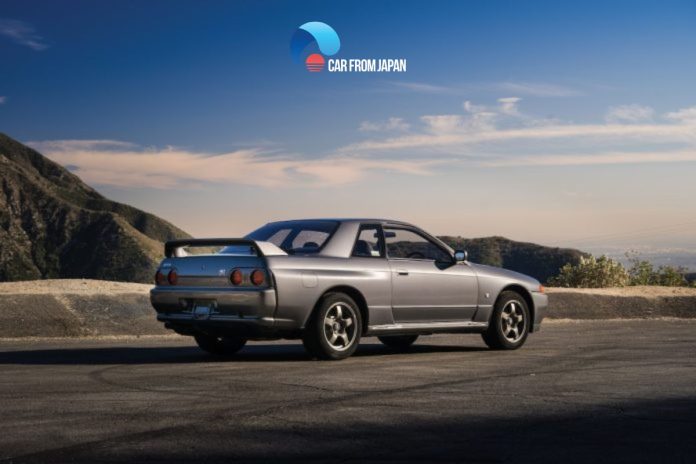
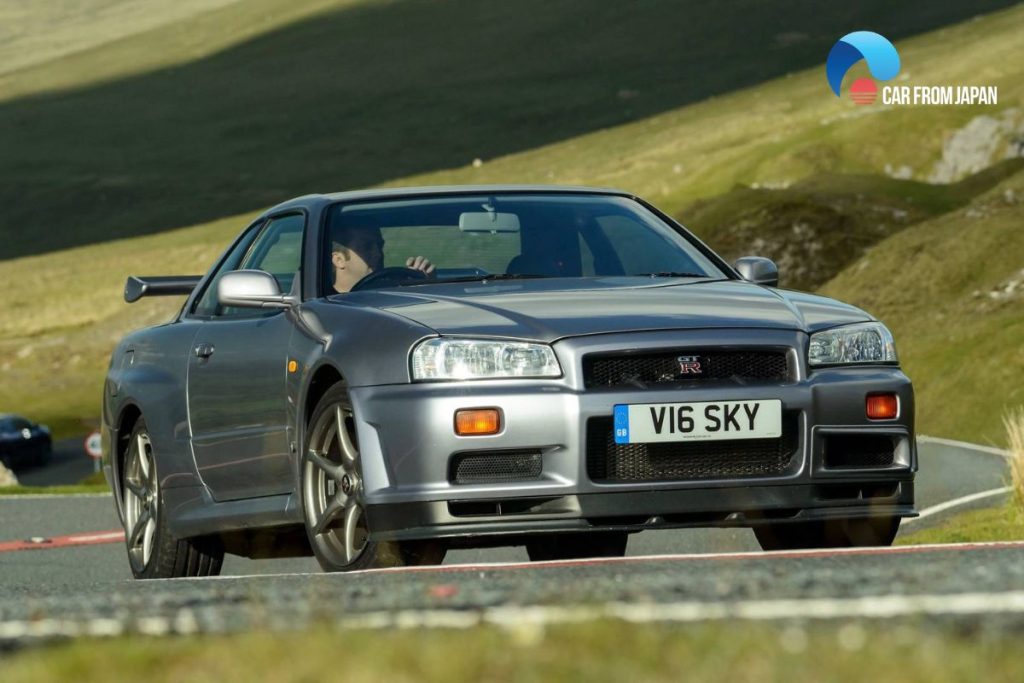
The story begins long before the R35. The Skyline GT-R models of the late 1980s and 1990s , particularly the R32, R33, and R34, laid the foundation.
These cars combined advanced all-wheel-drive systems with turbocharged inline-six engines that responded extremely well to modification.
The R32 earned its “Godzilla” nickname after dominating Australian touring car racing. That reputation stuck, and by the time the R34 arrived, the GT-R had become a global performance icon. Even then, tuners were already pushing power figures far beyond factory specifications.
What made these early cars special wasn’t just speed, it was that there was always more available beneath the surface.
The Birth of The R35
When the R35 GT-R debuted in 2007, it marked a dramatic shift. The Skyline name was dropped, and the car became simply the Nissan GT-R.
Under the hood sat the hand-built 3.8-liter twin-turbocharged VR38DETT V6, paired with an advanced all-wheel-drive system and a dual-clutch transmission.
Unlike its predecessors, the R35 didn’t rely purely on mechanical simplicity. It was packed with technology.
Launch control, sophisticated traction systems, and real-time data displays made it one of the most advanced performance cars of its time.
Over nearly two decades of production, Nissan continuously refined the R35. Power increased, interiors improved, and suspension tuning became sharper.
By the time the final models left the factory in 2025, the GT-R had matured into a highly polished supercar competitor.
Why The GT-R Became a Tuning Phenomenon
From the beginning, the GT-R was engineered with strength in mind. Its drivetrain components were built to handle significant stress.
The VR38DETT engine, in particular, became famous for its ability to support enormous horsepower gains with the right supporting modifications.
Several factors made the GT-R ideal for tuning:
- A robust engine block capable of handling high boost
- Twin-turbo architecture that responds well to upgrades
- Strong transmission and drivetrain components
- All-wheel-drive traction that puts power down effectively
It wasn’t long before builders began pushing the R35 beyond 800 horsepower, then 1,000 horsepower, and eventually well beyond that mark. For many enthusiasts, the GT-R became synonymous with four-digit dyno numbers.
What makes it remarkable is that the platform often handled these increases with surprising reliability when properly built.
Accessible Supercar Performance
Another reason the GT-R became such a tuning icon is its positioning. When it launched, it offered supercar-level acceleration at a price far below European rivals. That made it attainable to a broader range of enthusiasts.
Unlike ultra-rare exotics, the GT-R invited modification. Owners weren’t afraid to experiment. The aftermarket scene grew rapidly, supported by parts manufacturers and retailers worldwide.
Platforms like Tuningsupply help enthusiasts source performance components not just for the GT-R, but for a wide range of high-performance vehicles, reinforcing the model’s role as one of the most modified cars of its generation.
The End of Production, But Godzilla Lives On
In 2025, the final R35 GT-R rolled off the production line, closing a chapter that began in the mid-2000s and tracing roots back even further to the Skyline era.
The automotive world has shifted toward electrification and hybrid performance, but the GT-R remains a symbol of turbocharged power done right.
Its legacy isn’t just about factory specifications or Nürburgring lap times. It’s about potential. Few cars in modern history have offered such a strong foundation for builders to push boundaries.
Even though production has ended, the GT-R’s presence in tuning culture will continue for years to come. Godzilla may no longer be built new, but it’s far from extinct.





