


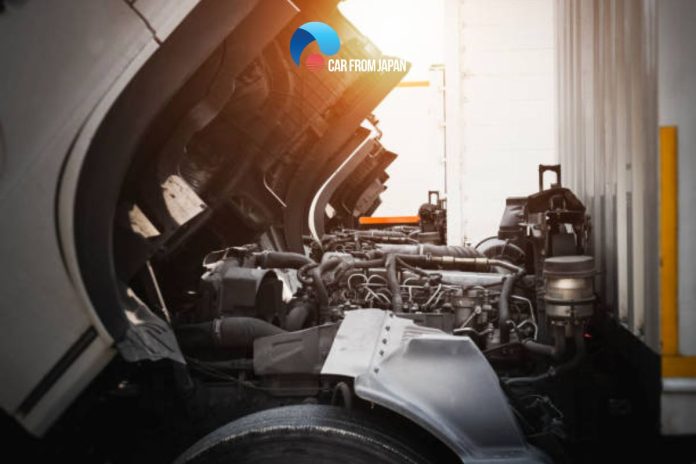
When a commercial vehicle needs maintenance, fleet managers and owner-operators often think that finding a replacement part is simply a matter of matching a part number. However, experience maintaining modern commercial fleets reveals numerous hidden challenges.
Securing high-quality USA truck parts involves navigating complex manufacturing differences, digital locks, and subtle engineering changes that can quickly take a vehicle out of service if not addressed.
The current logistics environment requires that vehicles remain on the road with little downtime. This makes sourcing reliable USA truck parts a key operational decision. As commercial vehicles add more technology, the physical shape of a part is no longer the only factor that determines if it will work correctly on a specific chassis.
Contents
Beyond the Part Number
Many fleet operators depend heavily on cross-reference charts to find alternative parts when original equipment manufacturer (OEM) options are not available or are too expensive. While these databases are very useful, they are rarely perfect.
A heavy-duty wheel rim or a cargo securement winch may look identical on paper, but slight differences in manufacturing tolerances, alloy compositions, or bolt-hole taper can lead to unexpected installation issues. These tiny variations can lead to early wear or structural failure under heavy loads.
A component that meets the size requirements might still not fit with the current setup because of mid-year production changes by the vehicle manufacturer. These small changes often happen without a change to the main part number. This leaves mechanics to find the incompatibility only after the truck is taken apart in the shop.
The Digital Blueprint Barrier
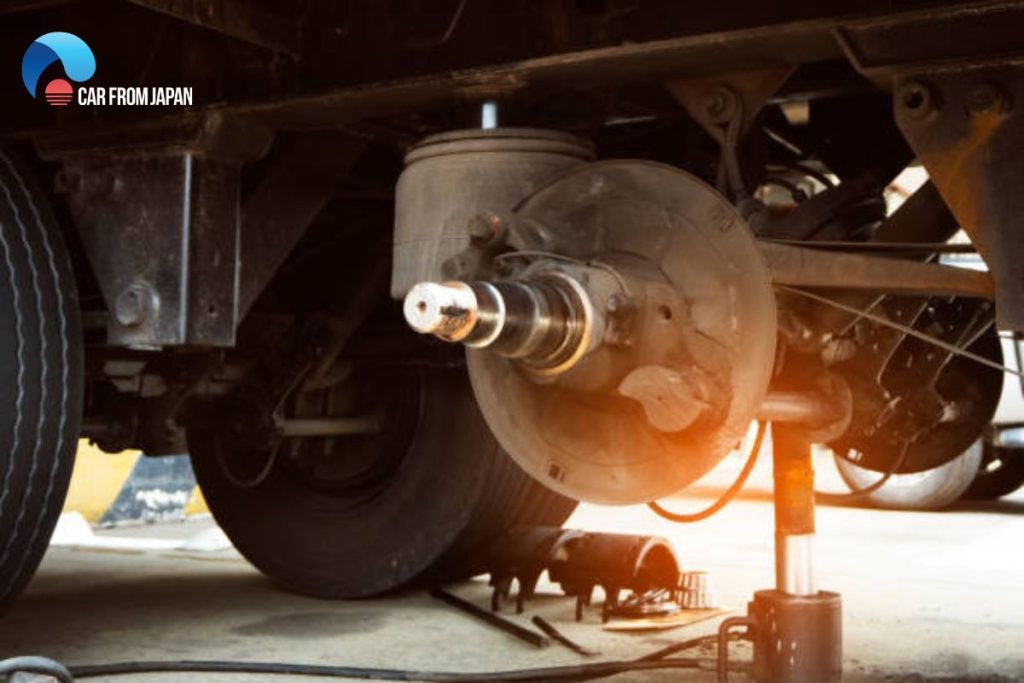
The evolution of commercial transportation has shifted mechanical systems into highly integrated electronic ecosystems. Components that used to be purely mechanical, such as braking systems, fuel delivery modules, and even certain suspension elements, are now managed by electronic control units (ECUs). This digital transformation introduces a completely new layer of friction for independent repair shops and fleet maintenance teams.
Physical dimensions are no longer the final frontier of parts compatibility. Today, software calibration and digital authentication protocols dictate whether a newly installed component will actually communicate with the truck’s central computer.
SEMA argues that aftermarket parts manufacturers and repair businesses need access not just to physical specifications, but to configurable vehicle parameters, software, and technical compatibility information – the same data OEMs give their own authorized service providers.
Without this critical data, an independent shop might install a physically perfect component, only to have the vehicle remain inoperable due to software restrictions.
When component compatibility is treated as a minor detail, operational risks escalate dramatically. This is particularly evident in high-stress areas like cargo securement, wheel assemblies, and structural attachments. Using a component that is “close enough” rather than precision-engineered for the specific application can compromise public safety and infrastructure integrity.
| Component Category | Physical Compatibility Challenge | Digital/Data Challenge |
| Wheel and Hub Assemblies | Taper variations, offset differences, and metallurgical load rating discrepancies | Lack of access to hub-assembly sensor calibration data |
| Cargo Securement Gear | Inconsistent working load limits (WLL) and non-standardized hook geometry | Absence of standardized digital tracking for safety certification |
| Pneumatic and Brake Systems | Micro-thread variations and subtle pressure threshold differences | Proprietary ECU software locks preventing component recognition |
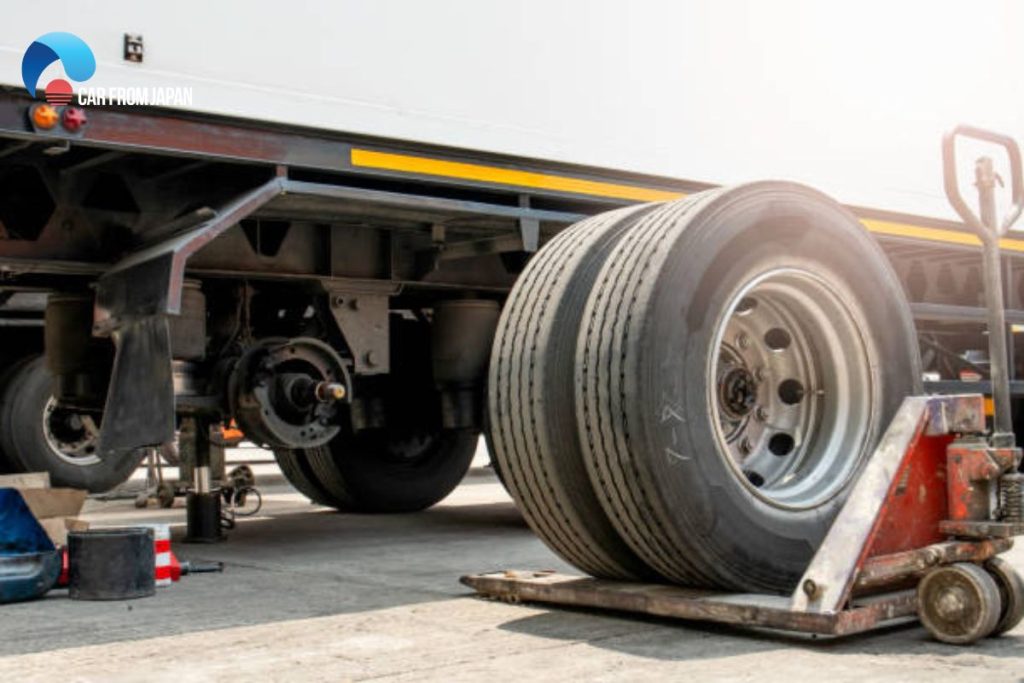
To circumvent these hidden complexities, fleet operators must shift from transactional purchasing to a more systematic procurement strategy. Relying on verified technical documentation, understanding the specific build date of a vehicle, and cross-verifying software requirements before purchasing are essential steps in reducing shop delays.
Shifting to a systematic procurement strategy also means choosing suppliers whose inventory is purpose-built for commercial applications. Fleet-Hero, for example, focuses exclusively on working truck gear – cargo securement, tarps, and accessories selected for real operating conditions rather than general retail margins.
True compatibility requires analyzing the entire operating environment of the truck. When procurement teams look past the surface-level descriptions and demand full transparency regarding physical specifications and software parameters, they ensure that every asset remains durable, predictable, and fully prepared for the road ahead.