


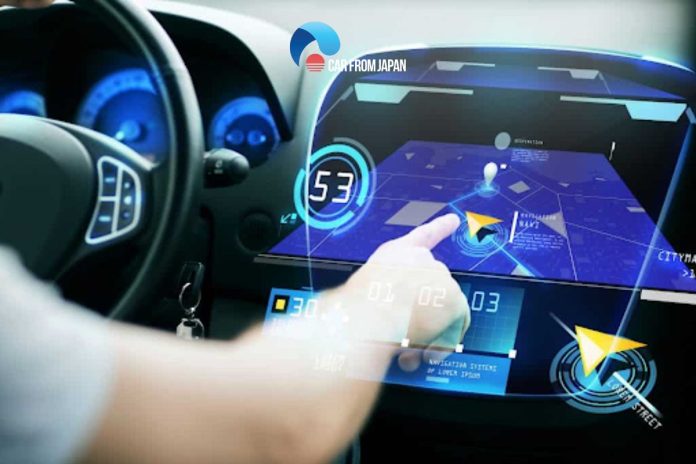
Modern cars are smarter and more connected than ever. Learn how hackers target vehicles and how to protect your car’s data, apps, and Wi-Fi connections.
The current generation of vehicles isn’t the same as 20 years ago, not even 10 years ago. Modern cars are some of the most sophisticated transports on the planet. They connect with Wi-Fi, Bluetooth, and even mobile apps.
The result is a driving experience that has never felt more convenient or personalized. With features like navigation syncing, voice control, device pairing, and more, drivers can stay connected even when in transit.
However, the same systems that create this convenience and personalization also introduce new risks. This is because the smart car technology create a potential attack surface for cybercriminals.
Cybercriminals learn how to exploit certain digital features, allowing them to target weak points in vehicle operating systems. This can give them access to everything from driver data to vehicle control, and the risks are only growing by the day.
With that in mind, we’re going to dig into just how safe our vehicles are and how we can increase their security.
We’ll look at how these attacks happen in the first place, and how they’ve led to real-world incidents. Finally, we’ll show you how you can protect yourself and your vehicle.
Contents
How Hackers Target Smart Vehicles
In smart vehicles, every connected feature is a potential entryway for attackers. Modern vehicles need complex computer networks.
These networks exchange data with other systems, from OEM (original equipment manufacturer) systems to mobile devices.
This nearly constant communication makes life easier for drivers, but it also creates openings for attacks at the same time.
Hackers will typically try to attack the weakest connections. These include on-board Wi-Fi, Bluetooth pairing, or any linked apps. Just one compromised app can expose sensitive use data, including contacts, GPS history, and digital keys you may use.
Real Incidents
When we talk about car hacking, we aren’t talking about hypotheticals. There have already been several high-profile incidents over the last decade that show just how easily vehicles can be compromised when they’re connected to the internet.
One of the most notable and high-profile cases was in 2015, when researchers were able to gain remote control of a Jeep Cherokee.
They accessed the infotainment system and were able to access the brakes, transmission, steering, and more. This incident alone forced a recall of over a million vehicles.
Since then, cybersecurity experts have continued to expose critical vulnerabilities in brand after brand. Tesla vehicles have been used in penetration tests where hackers breached their security via browser-based exploits.
Hyundai and Kia have both been shown to have models that are vulnerable to weak app authentication. Even charging infrastructure and telemetry services have been targeted.
These vulnerabilities have given attackers potential access to stored data and unencrypted network credentials.
These incidents, and more like them, have pushed automakers to strengthen their cybersecurity measures. Many have implemented encrypted data channels, over-the-air patching, and continuous monitoring for breaches.
However, the growing complexity of connected vehicles means that staying ahead of hackers will always be a top priority.
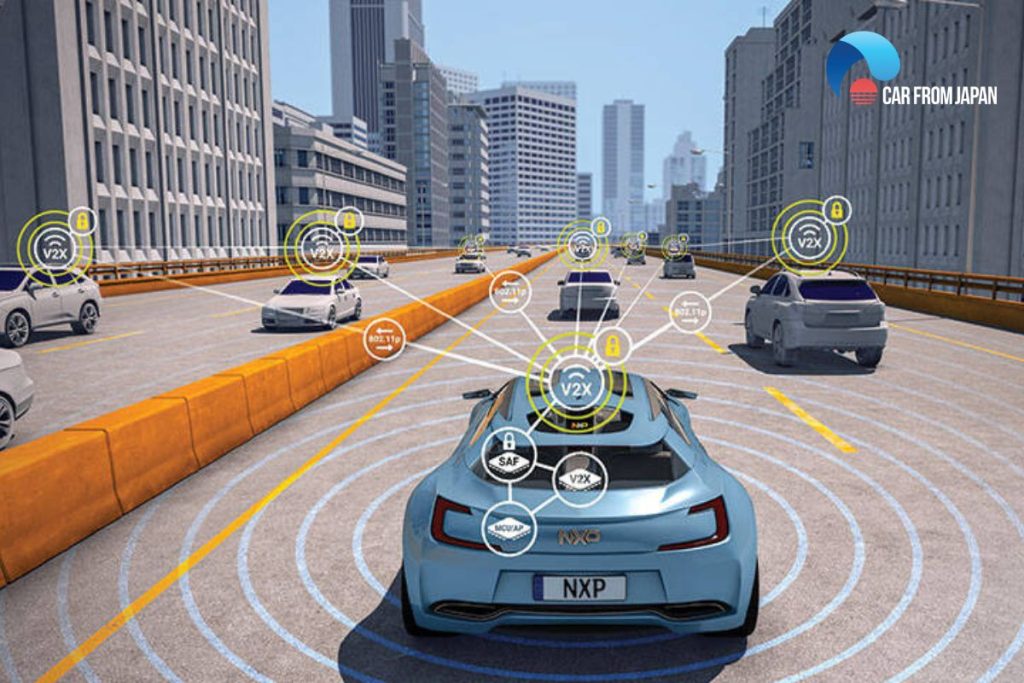
Vulnerable Entry Points in Connected Cars
With smart vehicles being made up of dozens of interconnected networks and systems, every single one can be a risk. Each one represents potential vulnerabilities when not secured properly.
Some of the biggest vulnerabilities include:
- Infotainment systems. When left unsecured, hackers can exploit software flaws to gain access to personal data or even other vehicle functions.
- Telematics and onboard diagnostics. These can reveal sensitive information or allow remote access.
- Bluetooth and Wi-Fi connections. Pairing your phone or using unsecured hotspots can expose data to nearby attackers.
- Smartphone apps and third-party devices. Many apps used to start or unlock vehicles can be cloned or hijacked, giving hackers access to control commands or stored credentials.
Protecting Personal Data in Smart Cars
Your vehicle stores a surprising amount of your personal information. Even for light users, contacts and navigation routes can stay in the system long after use. Heavier users may even need to worry about app login info and more.
Start by deleting personal data from your vehicle regularly, especially before selling or trading it in. Avoid connecting multiple accounts or using auto-login features that save passwords on the dashboard system.
Never get your updates or patches from third-party sites. Always ensure you’re heading to the official manufacturer channels so you avoid infected updates.
Also, use strong passwords, but don’t use the same ones for multiple sites. If two-factor authentication is an option, turn it on.
Securing Mobile and Wi-Fi Connections
Your car’s wireless connections are among its most useful yet most vulnerable features. When you pair your smartphone or connect to Wi-Fi, your personal data travels across networks that may not always be secure.
Hackers can intercept unencrypted traffic, especially when public or open hotspots are used.
To protect yourself, only connect through trusted networks. Avoid updating apps or transferring files over public Wi-Fi, particularly at petrol stations or rest stops where free networks may be unmonitored.
Turn off Bluetooth when it’s not in use, since attackers can use it to detect and connect to nearby vehicles.
The average VPN is free to download, but not all services are created equal. Choosing a reputable VPN helps encrypt your connection, hide your location, and block malicious websites while managing vehicle-related apps or navigation services.
For the best results, use one that offers reliable speeds and automatic security protection whenever your phone connects to your car’s system.
Smart Driving Demands Secure Driving
The unstoppable advancement of smart car tech is redefining comfort and convenience, but it’s also redefining what it means to drive responsibly.
If you own a smart vehicle, you’ll need to stay just as aware of cybersecurity risks as individuals who work in IT and InfoSec.

That said, some relatively basic best practices can help keep you and your ride safe. Remember to update your smart car technology regularly and connect with caution. Also, don’t be afraid to rely on trusted privacy tools to add layers of protection.





