


The professionals at Nissan do their utmost while manufacturing a vehicle. These cars have always been the first choice of people who admire the power and performance of a machine.
A Nissan engine comprises numerous parts and components merged to roar on the roads. Conversely, the company faced some vent problems during its early days as well.
The Nissan vent control valve recall was one of the biggest issues that appeared and downgraded the vehicle. Numerous other issues were also there, but the vent valve topped the list constantly.
Let us focus on the vent valve problems and issues in a Nissan automobile.
Contents
- The Causes & Concerns Of Nissan Vent Control Valve Recall Issue
- FAQs on Nissan Vent Control Valve Recall Problem
- Why does a vent control valve issue often feel like a gas cap problem?
- Why do some Nissan owners notice rough starting after refueling?
- Why does the Check Engine Light sometimes turn off by itself with this issue?
- Why does the problem appear more often in cars driven on dirt roads or rural areas?
- Why do some Nissan models relocate the vent control valve after the recall?
- The Crux
The Causes & Concerns Of Nissan Vent Control Valve Recall Issue
Manufacturers at Nissan install Evaporative Emission Control (EVAP) systems in their cars to tackle the fuel-escaping process appropriately.
Fuel vapors escape into the atmosphere when the valve is functioning or the EVAP system leaks or fails at any time.
Most car companies offer this controlling system inside the cars to reduce the fuel-wasting process.
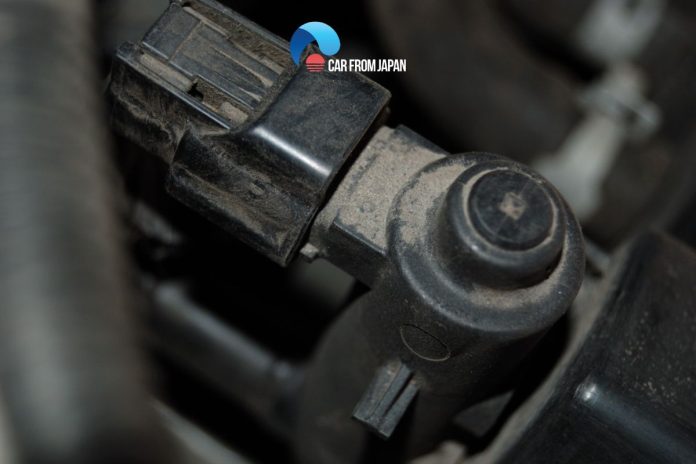
The vent valve manages the outgoing & incoming flow of air or fuel vapors coming from the charcoal canister. Some car companies call this equipment the Canister Close Valve as well.
Many drivers also wonder about the location of the vent control valve in Nissan cars, where its position is? This valve is connected to a charcoal canister through the pipes or hoses.
Depending on each model, it would have different locations, generally, the vent control valve is positioned near or on the charcoal canister. To identify the exact location, you should read the manual’s owner from manufacturers.
Here are some symptoms and causes of Nissan vent control valve.
EVAP system leakage
The most common of all issues in a Nissan is the leaking vent valve.
The EVAP system operates through several sensors, and valves that contain and transfer fuel vapor if necessary during vehicle operation, limiting emissions into the atmosphere and causing environmental pollution.
An EVAP leak just means that fuel vapors are escaping the sealed system to the environment. At this time, you may notice the “warning light” on the car dashboard.
Sometimes the valve gets stuck and does not easily close to work properly. This difficulty in working the equipment grounds Nissan vent control valve recall dilemma and cause leakage.
One might have to repair the system as early as possible to avoid the expensive issues that may happen later.

Read More: Vital Air Control Valve Symptoms to Know Right Now!
Dirt & dust in the valve
Dust and dirt inside any mechanical equipment can cause terrible issues and it is the same in the case of the vent valve. The vent clogs up and does not work properly until the appropriate cleaning of the entire system is not done.
Additionally, when dirt enters or accumulates in the vent valve, it will prevent the movement of your valve or interfere with the sealing properties. The dirt particles inside the vent control valve Nissan cars cause system damage and call for a replacement.
So it’s recommended that you get your car cleaned and inspected by trusted mechanics.
Maintenance can partly prevent dirt and debris from accumulating into the vent valve causing potential damage for your car.
Charcoal canister is not working
A charcoal canister is the main component of the EVAP system, working with various tubes, sensors, and valves to prevent fuel vapors from escaping into the atmosphere. It is a sealed box filled with activated carbon.
Activated carbon is processed to form a surface capable of absorbing fuel vapors that try to escape from the EVAP system. The charcoal canister pushes the fuel vapors to the engine when needed.
These fuel vapors burn inside the engine to treat your long drives perfectly. Several issues come into the picture if the charcoal canister is not working accurately. Repairing and servicing the canister at the right time would be a great choice.
FAQs on Nissan Vent Control Valve Recall Problem
Why does a vent control valve issue often feel like a gas cap problem?
Because both affect the EVAP system’s ability to seal fuel vapors.
A stuck vent control valve can trigger the same warning signs as a loose or faulty gas cap.
Why do some Nissan owners notice rough starting after refueling?
A malfunctioning vent control valve can cause excess fuel vapor to enter the intake during startup, leading to hard starts or stumbling.
Why does the Check Engine Light sometimes turn off by itself with this issue?
The valve may stick intermittently. When it temporarily frees up, the ECU sees normal readings and clears the warning, until it fails again.
Why does the problem appear more often in cars driven on dirt roads or rural areas?
Dust and debris can enter the EVAP vent path, accelerating clogging, one of the main reasons Nissan issued the recall.
Why do some Nissan models relocate the vent control valve after the recall?
To move it away from dust-prone areas and reduce contamination, a design change meant to prevent repeat failures.
Watch more:
The Crux
All in all, these were some causes and concerns related to Nissan vent control valve recall issue.
Treating your Nissan with appropriate servicing and repairs will assist in avoiding all the issues with the EVAP system and vent valve. So, make sure to give your Nissan proper care to roar for long on the roads.