


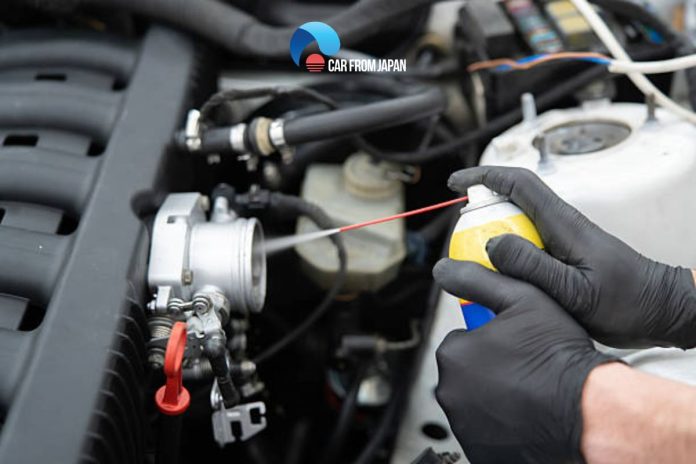
PCV, or positive crankcase ventilation, is a tiny valve device. PCV makes use of the intake manifold, which is the supplier of fuel/air mixture to the cylinders. The valve draws the combustion gases and sends them back to the engine through the manifold. Today, it is about “how to replace PCV valve” because when a PCV malfunctions, it does not utilize those gases, and they pass to the atmosphere.
Contents
How to Replace PCV Valve: Test the Valve and Replace it Accordingly
To replace a PCV valve, you should first make sure it really needs a replacement. Get to the engine hood and open it up. There you need to locate the PCV valve that, in most cases, is located near the intake manifold, in case you don’t know “where is the PCV valve located.”
The valve stays connected to a hose that you should remove in the first place.
Once you remove the hose, you can pull off the valve and take it in your hands
Now, here comes the testing phase to determine if the valve is malfunctioning or not. You need to shake it up and listen to that clattering sound of metal. If you can hear the metal sound, then the valve is working; else, it needs a replacement.
There is another way to make sure if it is the PCV valve that is malfunctioning. You should also check other connecting parts, such as the vacuum.
What’s Next?
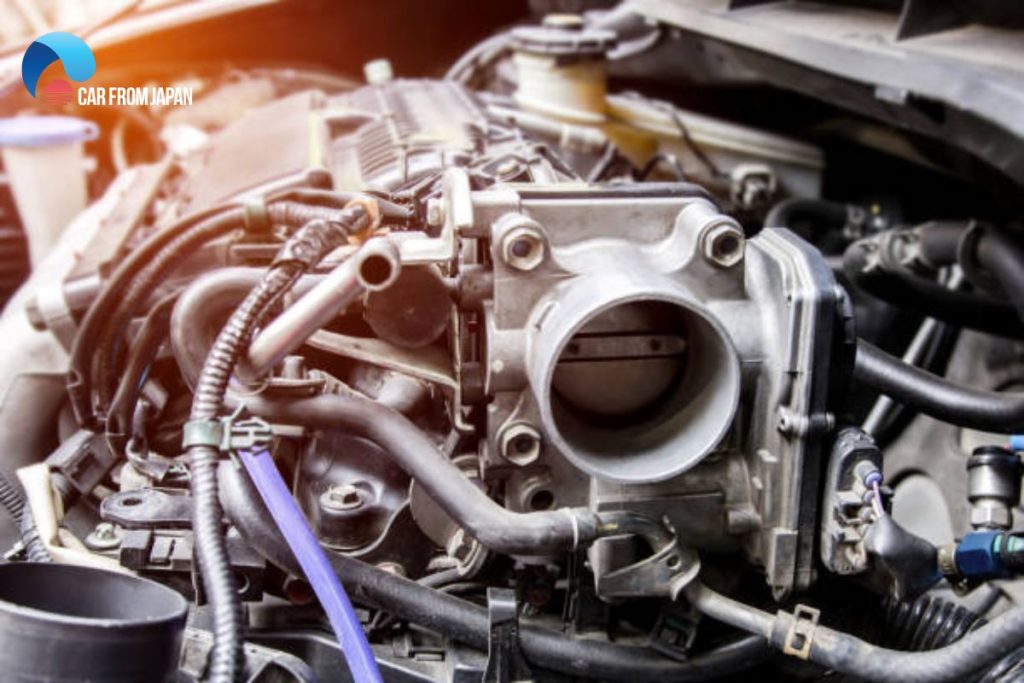
Warm up the engine for about 20 minutes and then get to the hood.
Now access the valve cover and disconnect the valve. Block the valve with your fingertip, and you will feel a sucking effect. You will notice a drop of 40 to 80 rpm; if the fall is more than that, it indicates that the PCV valve is left open.
If you notice no sucking at your fingertip, it is the blocked valve and hose that you can clean using lacquer thinner and a hose brush.
A valve is the cheapest device of the engine’s system that you can get for just $5. You can replace the old valve with the new one and put that hose back to secure the valve in place.
This way, you easily replace the PCV valve; start your engine, and check if there is an oil leak around the valve. So, before getting on with “how to replace PCV valve,” make sure that the PCV valve is the culprit.
Tip: Not all automobiles feature a PCV valve; make sure your vehicle has it.
How PCV Works? Digging Deeper Into the Mechanism
Now that you know how to replace PCV valve, let’s head to work.
The crankcase, where the crankshaft and engine oil are also housed, houses the PCV valve. The pistons and axles are two other primary parts that make the vehicle move by powering the engine by making certain moves.
When the move happens, some gases get released around the piston and into the crankcase. If the gases mix with the engine oil, the oil forms a creamy buildup that clogs the passages and can blow those seals and gaskets.
These gases that go into the crankcase can’t be released directly into the air. The gases contain about 70% unburned fuel, and hence, directing them into the air won’t be wise.
The PCV valve functions as a solution by catching these useful gases and directing them into the intake, so they can be burned to provide vehicle energy.
There is a breathing tube as well that allows fresh air to enter, so the whole circulation can remain clean, and no fuel gets wasted. Now, you can understand if the tiny valve goes bad, how much fuel would be wasted.
Tip: If the PCV valve works fine and you still notice the symptoms, take your car to a professional repair shop.
Failed PCV Valve Symptoms
If you can encounter any of these symptoms, do check the PCV valve and consider changing PCV valves.
Excessive oil consumption and leak
Excessive oil consumption is the most common symptom of a bad PCV valve. When the PCV valve fails, it does not manage the pressure in the crankcase, which affects all the seals and gaskets. As there is no other way for the pressure to be released, the oil drips through the seals.
So, if you notice oil leaking on the floor or beneath the vehicle, it is a sign that the PCV valve is problematic.
Contaminated filter
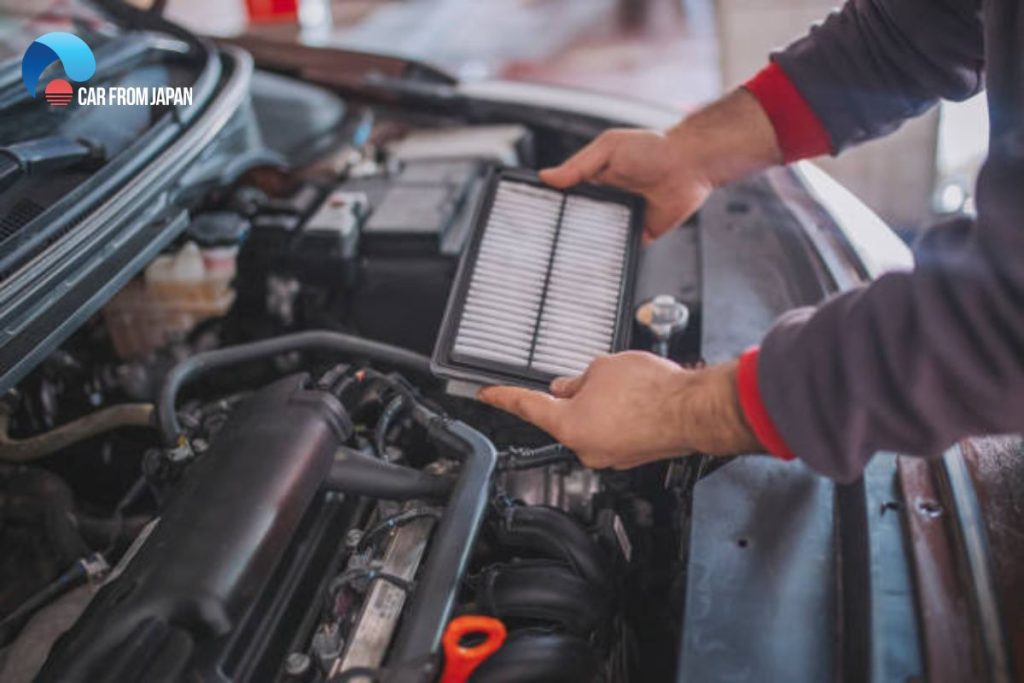
The increased pressure in the crankcase also makes the breather filter contaminated. The hydrocarbons and oil build up in the filter and block the overall airflow. Due to the increased pressure, the water vapor or the moisture gets mixed with the gas, which causes this build-up.
To check it easily, you need to get to the filter and check for any build-up. We hope this clears the sign and how to replace the PCV valve easily.
Overall poor performance
As the pressure builds up in the crankcase and the airflow becomes poor, it affects the overall performance of a vehicle. When the PCV valve does not open and close at the right time, oxygen enters the combustion chamber. This makes the overall air/fuel mixture leaner and causes the engine to provide poor performance.
In any of these cases, diagnosing the PCV valve is the easiest step before you deal with other technicalities. Do not let the car consume excessive oil because it will only lead to more build-up. If you are not able to take your car to the nearby repair shop, call a professional at your place and let them handle the issue. Manage your vehicle for the speed sensor and more issues by reading the Maintenance Tips.
Signs and symptoms in a nutshell

- Increased internal engine pressure
- Gaskets or leaks malfunction
- Engine oil leaks or finding oil on the floor
- Finding sludge in the filter or internal components
- The engine produces black smoke
When the PCV gets stuck in an open position or when the hose gets disconnected, the leak makes you notice these symptoms-
- Engine misfires at idle
- Lean air-fuel mixture
- Increased oil consumption
- Hard engine start
- Presence of engine oil in PCV valve or hose
- Rough engine idle
Conclusion
If you can’t get through the issue on your own, calling a professional is the easiest thing to do. Those who are comfortable handling the replacement can use this guide on “how to replace PCV valve.”





