


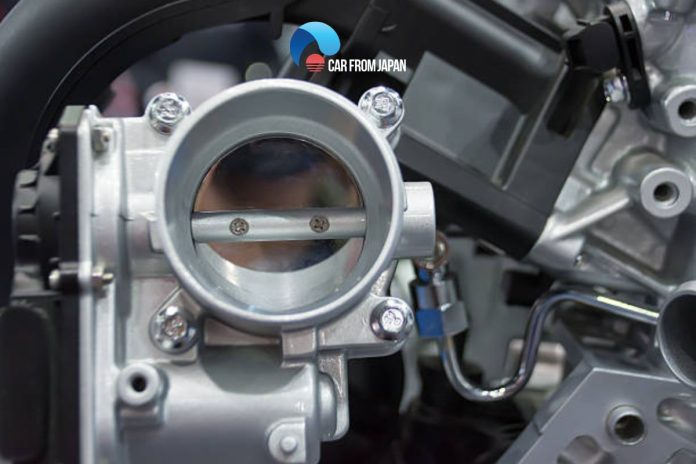
PCV is the Positive Crankcase Ventilation, a device used in early vehicles. By the time the valve starts malfunctioning, you feel the need to replace it. Keeping an eye on the ignition system can be a quick way to determine if something is wrong with the valve. However, there are other signs too, and today we are going to describe to you the same, along with factors like what does a PCV valve do and the replacement process.
Contents
What Does A PCV Valve Do? Know Here
So, what does a PCV valve actually do? In simple terms, it controls and redirects harmful gases produced inside the engine. Instead of letting these gases build up in the crankcase, the PCV valve channels them back into the intake system, where they are burned again during combustion.
After that, the remaining gases move through the exhaust system. Here, the catalytic converter helps reduce their toxicity before releasing them into the air. This process not only improves emissions but also keeps the engine running cleaner.
Another important function of the PCV valve is to protect your engine oil. As the engine heats up and cools down, condensation can form inside, creating moisture. If this moisture mixes with the oil, it can reduce lubrication efficiency and shorten the oil’s lifespan. The PCV valve helps minimize this issue by ventilating the crankcase, keeping the oil in better condition for longer.
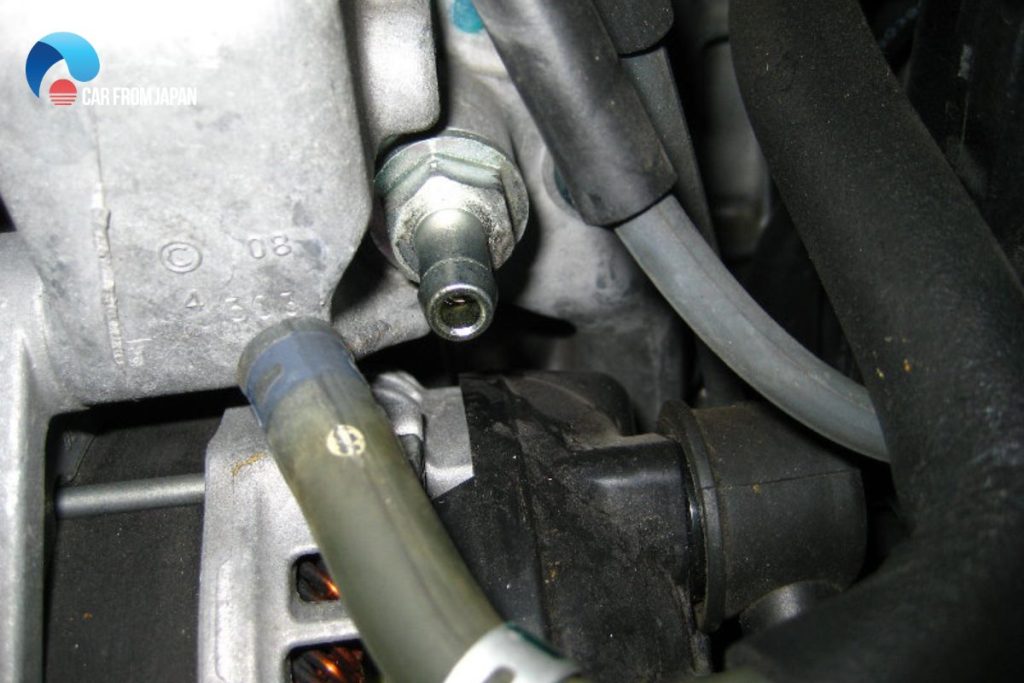
Signs Of A Faulty PCV Valve
Understanding what a PCV valve does is only part of the story—you also need to know when it’s not working properly. A failing PCV valve can lead to several noticeable issues.
For example, increased pressure inside the engine is one of the common signs. You might also notice oil seal failures or unexpected oil leaks. In some cases, black smoke coming from the exhaust pipe can indicate that the air-fuel mixture is being affected due to poor ventilation.
Other symptoms may include rough idling, decreased fuel efficiency, or even a check engine light turning on. These signs can vary depending on the vehicle, but they are often linked to improper crankcase ventilation.
Replacing The PCV Valve
Now that you have an idea about ‘what does a PCV valve do’, let’s talk about the replacement part.
PCV, like any other tool or component, needs to be maintained in a timely manner and get repaired if there is a need. The reasons for malfunctioning can be many, and regular usage is one of the causes that makes you get a new valve because the old one does not work properly.
Well, before you spend any money, you should always ensure that the issue you are encountering with your automobile is because of the PCV. Knowing the replacement signs can be a great help. Let’s see what these replacement signs are:
When a vehicle with PCV tends to feel an increased pressure in the internal engine, it is a sign. Also, if you see any oil seals failing, it is a sign too. Sometimes, engine oil leaks because of a malfunctioning PCV or if there is black smoke coming out of the exhaust pipe.
If you notice any of these things, you can go straight and check the PCV valve. A PCV serves around 80,000 miles, so after covering that much amount of duration, one can have a professional PCV check.
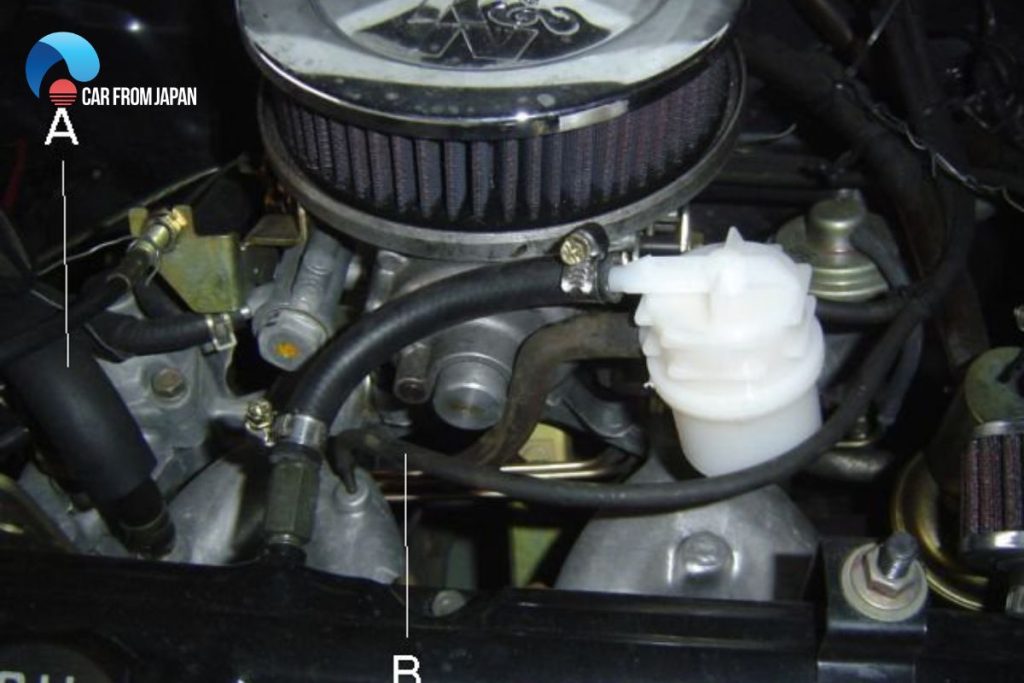
Locating a PCV can be tricky in some automobiles. But if you are someone who has done enough DIY with the vehicle, it won’t be an issue for you. You can always read the manual that comes with your automobile and locate the PCV. Read out more maintenance tips here.
Once you have located the valve, you can find the exit hose and twist it a bit. The twist breaks it out, and you can pull out the valve. In the next step, you can easily replace it. In some automobiles, you may need to quarter-turn the valve to break out for the replacement. Analyze accordingly by looking at your manual.
Conclusion
Replacing a valve or PCV is not a troublesome process. One can have it the DIY way or take your car to a professional. While ending the write-up here, we hope you now know ‘what does a PCV valve do’ and how to identify the symptoms that the PCV is problematic. Observe the symptoms and have a replacement for the same.