



You’re staring at a grainy auction sheet on your phone, probably zoomed in too far, trying to work out whether that tiny mark near the rear quarter panel says A1 or U2. The car looks clean in the photos. Too clean, maybe.
And the seller sounds confident, which somehow makes you less confident. I’ve been there, squinting at these sheets like they’re old treasure maps.
Here’s how to read a Japanese car auction sheet before buying a used vehicle.
Contents
How to Read a Japanese Car Auction Sheet Before Buying a Used Vehicle
The grade is useful, but don’t worship it
Auction grades get treated like the whole story, which honestly annoys me a bit. They matter, yes. But they’re more like the first five seconds of a conversation than the final answer.
That big number near the top
A grade 4 car usually sounds safer than a grade 3.5 car, and a grade 4.5 sounds nicer again. Simple enough.
But a slightly older grade 3.5 with clear notes and honest wear can feel less risky than a shiny grade 4 with vague comments and suspiciously perfect photos.
The number gives you a mood.
Not a guarantee.
Interior grades can tell a different story
The interior grade, often shown as A, B, C, or a similar format, can reveal how the car was actually used. A car with a strong exterior grade but a tired cabin might have had a harder life than the photos suggest.
Cigarette burns, pet hair, dashboard marks, those little clues matter because people rarely treat the mechanical bits better than the cabin.
To be fair, some owners are just messy.
Accident grades need slow reading
An R or RA grade can scare people off immediately, and sometimes that reaction is sensible. Still, repaired cars are not automatically disasters. The more important question is where the repair happened.
Front panel? Rear floor? Door skin?
A replaced bolt-on panel feels different from structural repair, and the auction sheet usually gives you enough hints to know which direction the story is leaning.
The little diagram is where the sheet gets chatty
That car outline on the auction sheet looks basic, almost childish, but it carries a lot. You’ll notice letters scattered across panels, and those letters are easy to underestimate because they look so small.
A, U, W, and the alphabet soup
A usually points to a scratch. U normally means a dent. W suggests repair or paint wave, which is where I start paying closer attention. S can mean rust, while C may point to corrosion, depending on the sheet style.
The number beside the letter matters too. A1 is tiny. A3 is not exactly tiny anymore. Weirdly enough, a car covered in A1 marks may look cleaner in person than one with two ugly U3 dents.
Paint repair makes people nervous, sometimes too nervous
A W mark doesn’t always mean the car had a dramatic past. Maybe someone scraped a bumper in a parking garage. Maybe a door was repainted because of a scratch. Normal life leaves marks.
But if W marks cluster around the same side, near pillars or structural edges, I slow down. Patterns bother me more than single marks. That is where the sheet starts muttering under its breath.
Rust deserves more attention than glamour marks
Small scratches can be fixed later. A tired seat can be lived with. Rust, though, has a way of becoming a project you didn’t agree to.
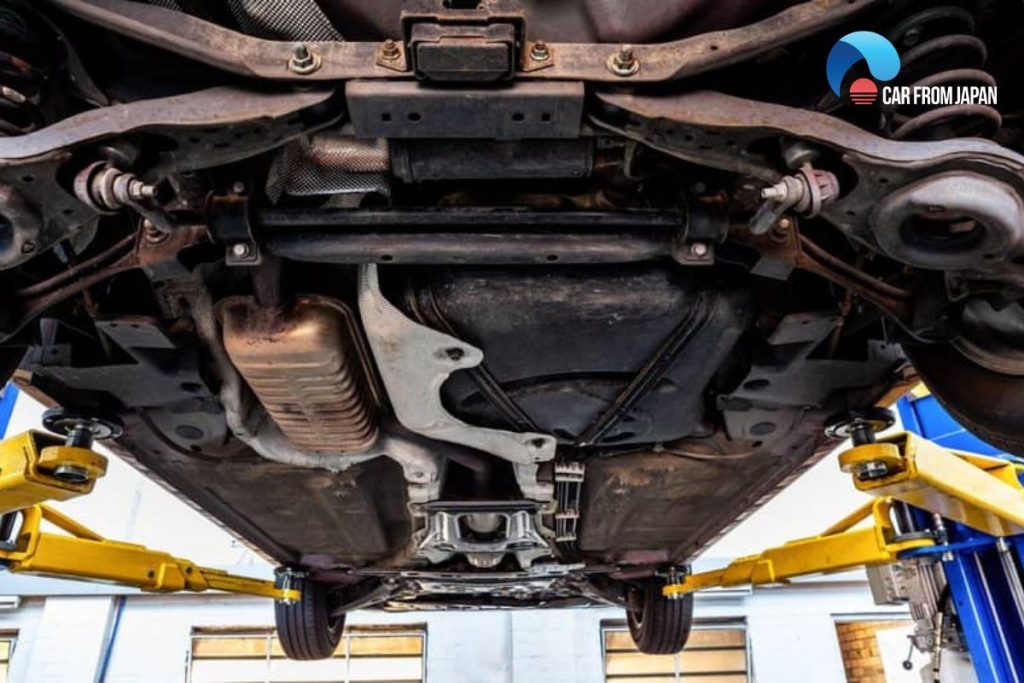
Older cars, coastal areas, winter roads, storage yards, none of this needs to be dramatic for rust to creep in. If the sheet mentions corrosion underneath, don’t just glance past it because the body panels look glossy.
The handwritten notes are annoying, and probably the best part
The inspector comments are where many buyers either get lucky or get lazy. They’re often handwritten, abbreviated, and translated badly by the time you see them.
Translations can make normal notes sound strange
A note like “core support distortion” sounds frightening. Sometimes it should. Other times, the translation is doing that weird thing where a mild inspection phrase becomes robotic English.
I’ve seen people paste rough auction notes into a paraphrasing tool just to make the wording less clunky before asking someone experienced what it actually implies. That’s fine, as long as you don’t let cleaner wording turn uncertainty into certainty.
Look for repeated hints, not just scary words
“Oil seepage” is not the same as “oil leak.” A worn seat bolster doesn’t mean abuse. A noisy engine note, though, deserves attention even if the exterior grade looks lovely.
And if the sheet mentions repair marks, uneven paint, and panel gaps all around the same area, you don’t need a dramatic warning label. You already have the shape of the issue.
Mileage notes can be boring, then suddenly not boring
Auction sheets often show mileage clearly, but you still want to look for symbols or comments around odometer history. A car showing 78,000 km feels different if the sheet hints at replacement, uncertainty, or missing records.
For whatever reason, people obsess over the number and skip the confidence around the number. That part matters more than it gets credit for.
The part where you decide how much doubt you can live with
A Japanese car auction sheet doesn’t remove risk. It just gives the risk a shape, which is more than you get from a polished sales description and six flattering photos.
After a while, you start reading them less like forms and more like little arguments. The grade says one thing. The diagram interrupts.
The inspector scribbles something that sounds minor, except it sits right next to a repair mark. You don’t panic. You just keep looking.
Some sheets feel clean because they’re genuinely clean. Others feel clean because nobody has asked the awkward question yet. That distinction takes a bit of practice, and even then you won’t get it perfect every time.
Maybe that’s the honest way to approach a used vehicle anyway. Not hunting for certainty. Just collecting enough small clues that the car’s story feels believable, or at least not too neatly polished.