


Your vehicle is constantly exposed to harsh environmental conditions. Sunlight can fade the paint, road debris can damage the finish, weather can lead to corrosion, and minor bumps in parking lots often result in scratches.
Many drivers see this slow wear and tear as unavoidable, but the right exterior accessories can help protect your vehicle and maintain its condition and value for many years compared to an unprotected one.
Modern protective accessories have improved significantly. Products that once required professional installation and came with high costs are now available to everyday vehicle owners, thanks to better materials, easier installation methods, and more competitive pricing.
Investing in the right protection can deliver long-term benefits by helping preserve resale value and reducing the need for costly repairs.
How To Protect Your Automobile: The Exterior Accessories Guide
Why Car Covers Are Essential for Protecting Your Vehicle
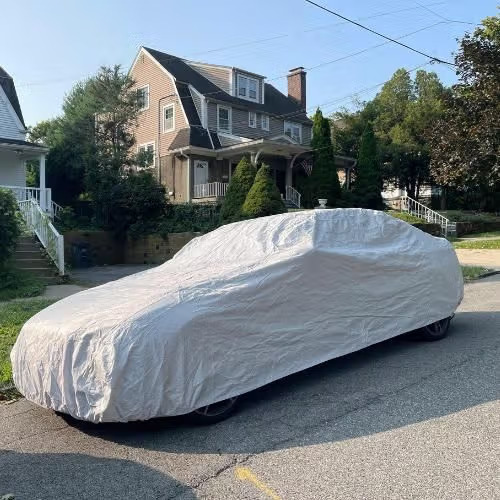
Car covers often get dismissed as old-fashioned or unnecessary, but they remain one of the most effective protection strategies for vehicles that spend time parked outdoors or in storage.
A quality car cover shields paint from UV radiation that causes fading and clearcoat failure. Even vehicles parked in garages benefit from covers that prevent dust accumulation and protect against accidental scratches from tools or equipment.
For cars stored seasonally or parked outside regularly, covers prevent bird droppings, tree sap, and hail from etching paint. These types of damage become permanent if left untreated.
Modern car covers use breathable materials that prevent moisture trapping while blocking environmental contaminants.
Trusted manufacturers such as Seal Skin Covers offer top-quality covers that help ensure a secure fit and reliable protection in a wide range of weather conditions. The investment in a quality cover protects a paint job worth thousands.
For outdoor storage or street parking in harsh climates, all-weather covers with multiple layers provide maximum protection against rain, snow, ice, and extreme temperature swings. Indoor covers can be lighter and focus on dust protection and scratch prevention.
Truck Bed Protection and Overlanding Accessories
Trucks face unique protection challenges, particularly for owners who use their vehicles for work, recreation, or overlanding adventures.
Truck beds experience significant wear and tear from loading equipment, transporting materials, and regular use.
Bed protection comes in several effective forms:
- Spray-in bed liners: Create permanent, impact-resistant surfaces bonded directly to the bed. Professional installation covers all corners and crevices. The textured finish resists chemicals, prevents cracking or peeling, and provides added sound insulation.
- Drop-in bed liners: Removable plastic liners designed to fit specific truck models. Quality versions include proper drainage systems that prevent moisture from getting trapped and causing rust underneath.
- Bed mats: Flexible rubber mats providing basic scratch protection. Affordable and easy to remove for cleaning, though less comprehensive than permanent solutions.
- Tonneau covers: Protect cargo from weather and theft while also shielding the truck bed from UV exposure and precipitation, which helps extend liner life and prevent corrosion.
Truck caps (also called camper shells or toppers) transform pickup beds into secure, weather-protected cargo areas.
These fiberglass or aluminum shells protect gear during multi-day adventures while providing enclosed sleeping space for rooftop tents or camping setups.
Brands like PeakGear offer truck cap solutions designed for durability, weather resistance, and compatibility with overlanding gear.
Quality truck caps include weatherproof seals, lockable access points, and mounting systems for roof racks, which are essential for serious overlanding where equipment protection and security matter as much as the vehicle itself.
Step bars and rock sliders protect rocker panels on trucks and SUVs used for off-road adventures. Beyond making entry easier, these accessories prevent damage from rocks, logs, and trail obstacles that would otherwise dent or puncture body panels.
Paint Protection
Paint represents your vehicle’s most visible and vulnerable surface. Once damaged, proper restoration costs hundreds or thousands of dollars, making prevention the obvious smart choice.
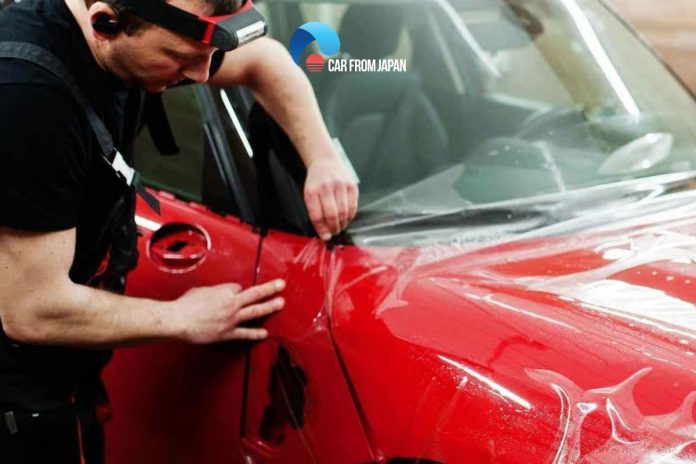
Paint protection film (PPF) has become the standard for serious protection. This clear urethane film applies to high-impact areas like front bumpers, hoods, fender edges, and door handle cups.
Modern PPF self-heals minor scratches through heat exposure and remains virtually invisible when properly installed.
While full-vehicle coverage benefits from professional installation, pre-cut kits for specific models make DIY application feasible for careful owners.
Ceramic coatings offer complementary protection through chemical bonding with paint surfaces. These liquid polymers create hydrophobic barriers that repel water, resist contamination, and simplify washing.
Quality ceramic coatings last multiple years while maintaining that fresh-waxed appearance with minimal maintenance. Application demands careful surface preparation, but the long-term convenience justifies the effort.
For budget-conscious owners, modern spray sealants provide reasonable protection with minimal complexity.
Applied every few months, these products provide UV protection, light scratch resistance, and easier cleaning, offering a practical middle ground between minimal protection and professional-grade solutions.

Underbody and Chassis Protection
What happens beneath your vehicle matters as much as exterior appearance. Road salt, moisture, and debris constantly attack the undercarriage, creating rust that compromises structural integrity before becoming visible from the outside.
Undercoating treatments protect critical areas from corrosion. Options range from professional applications covering the entire undercarriage to DIY spray treatments targeting specific vulnerable zones.
Vehicles operating in winter climates with frequent road salt exposure gain substantial benefits from comprehensive underbody protection applied early in their lifespan.
Mud flaps and splash guards prevent road debris from impacting lower body panels, wheel wells, and rocker panels.
These simple accessories can significantly reduce paint chips and corrosion in the areas that face the most impact. Quality mud flaps attach securely without requiring drilling, making installation quick and easy.
Skid plates add protection for vehicles facing off-road use. These metal or composite shields protect the oil pan, transmission, and differential from impact damage that could cause expensive repairs or leave you stranded on remote trails.
Window and Lighting Protection
Windows and lights face constant exposure to road debris and environmental damage. Protection here improves both safety and functionality.
Window tinting reduces UV exposure that fades interiors while making glass more shatter-resistant. Quality tint blocks heat, improves privacy, and holds shattered glass together during accidents. Check local regulations on tint darkness before installation.
Headlight and taillight protection films preserve clarity while resisting impact damage. Modern headlights are expensive to replace and often turn yellow over time due to UV exposure.
Clear protective films prevent clouding, resist scratches, and can be replaced as needed without affecting the underlying lens.
Rain-repellent treatments form a hydrophobic coating on glass, causing water to bead and slide off at highway speeds, which greatly improves visibility during storms. These treatments last several months and make noticeable differences in driving safety.

Bumper Guards and Exterior Trim Protection
Bumpers and trim pieces are regularly exposed to damage from parking mishaps, shopping carts, and loading activities.
Bumper guards and corner protectors absorb impacts that would otherwise dent or scratch painted surfaces. Modern designs integrate smoothly with vehicle styling rather than looking like obvious aftermarket additions.
Door edge guards help prevent paint damage when doors hit poles, walls, or nearby vehicles in tight parking spaces. These simple rubber or plastic strips protect against the small paint chips that build up over years of use.
Front-end protection, such as bull bars or grille guards, helps shield vulnerable components on trucks and SUVs, especially during rural driving, where animal collisions are a real risk.
Building Your Protection Strategy
Comprehensive vehicle protection does not require every available accessory. A smarter approach is to prioritize based on how the vehicle is used, the environment it operates in, and the available budget.
Highway commuters benefit most from paint protection film on front-facing surfaces and quality window tint. Off-road and overlanding enthusiasts should prioritize underbody protection, skid plates, truck caps, and comprehensive bed protection.
Urban drivers in tight parking gain most from bumper guards, door edge protection, and car covers for street parking.
Climate matters too. Vehicles in coastal areas need aggressive corrosion protection. Desert climates demand UV protection and dust management. Winter regions require undercoating and protection against road salt.

Conclusion
The main point is clear: preventing damage is far more affordable than repairing it. Investing in quality protective accessories helps preserve vehicle value, reduce maintenance costs, and extend service life.
Since your automobile is a significant investment, protecting it properly is a smart financial decision.





