


You are driving on a busy multi-lane highway, trying to get home after a long day. You check your mirrors, hit your blinker, and start to merge into the next lane. Suddenly, you hear the terrifying, blaring blast of a horn from a car you never saw.
You feel a sudden rush of adrenaline as you swerve back just in time. This is the “blind spot,” an invisible danger zone that catches even the most experienced drivers off guard. Relying purely on your mirrors is a dangerous gamble in modern traffic.
You need an essential update to your daily driving habits to survive on today’s roads. Manual visibility requires real physical effort, and simply glancing at a piece of glass will not keep you safe.
Contents
What Your Mirrors Hide (and Why 2026 Cars Have Worse Visibility)
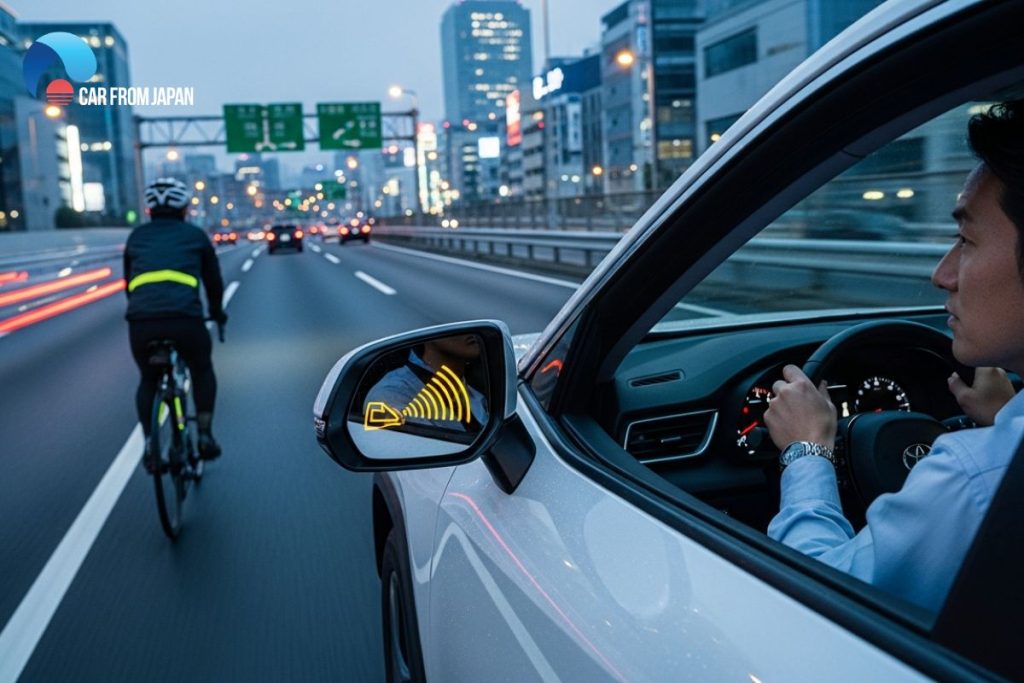
You might think brand-new cars give you a better view of the road. Actually, the opposite is true today. Recent research shows that blind spots in modern cars are becoming much more difficult to see out of. Automakers constantly use high-profile styling, larger hoods, and thicker pillars to pass strict crash safety tests.
These bulky vehicle designs create significant visual barriers directly over your left and right shoulders. Auto manufacturers are rapidly rolling out technology to fix this physical problem. For instance, Clientron recently launched an AI-powered Intelligent Blind Detection System that monitors A-pillar “no-see” zones during active maneuvers.
Tesla also recently pushed a software update to bring a parked blind spot warning to the Cybertruck. This update specifically stops drivers from opening heavy doors into passing cyclists. Automakers like Hyundai even offer ultra-wideband radar systems like Vision Pulse to detect objects with a tiny 10-centimeter margin of error.
But these advanced systems are just driving aids, not direct replacements for your human awareness. Tech can occasionally fail to spot smaller objects, but properly utilizing your own vision provides essential backup.
| Safety Method | How It Works | The Pros | Main Limitation |
|---|---|---|---|
| Side & Rear Mirrors | Reflects the area immediately behind and slightly adjacent to your vehicle. | Quick, easy to check, requires minimal head movement. | Leaves a massive triangular blind spot over your left and right shoulders. |
| Blind Spot Monitors (AI/Radar) | Uses sensors/cameras to detect adjacent vehicles and flashes a warning light. | Great for low-visibility conditions; highly responsive to large metal objects. | Can fail to detect smaller objects (bicycles, motorcycles) or misjudge speed. |
| The Shoulder Check | A quick, physical turn of the head to look directly into the adjacent lane. | 100% reliable visual confirmation of the lane’s exact status. | Requires taking your eyes off the road ahead for a split second. |
The Ultimate Vulnerability: Motorcycles in Your Blind Spot
Checking your blind spots is absolutely mandatory because of the smaller road users sharing your space. Motorcycles easily disappear behind a thick car pillar or a poorly adjusted side mirror. The raw data highlights a truly sobering reality for drivers.
In 2023, South Carolina alone reported 128 motorcycle-related fatalities on its public roadways. Tragically, about 47% of those fatalities (60) involved riders who were not wearing helmets. Car drivers hold a heavy legal and moral responsibility toward these highly vulnerable bikers.
Riders must pass strict vision and road tests to meet South Carolina motorcycle licensing laws before they ride. These specific state regulations allow young individuals to obtain beginner permits at age 15. They also strictly mandate safety helmets and eye protection for all riders under 21.
But even the most skilled, law-abiding motorcyclist cannot dodge a heavy truck swinging blindly into their lane. The ultimate safety of the road relies on car drivers sharing the space responsibly. Failing to properly check a blind spot, resulting in a motorcycle crash, carries massive legal liability.
If drivers or riders find themselves navigating the devastating aftermath of a roadway accident, Jeffcoat Injury and Car Accident Lawyers provide expert support. They act as a trusted legal ally to enforce legal rights and help individuals piece their lives back together after blind-spot negligence.
The 3-Step Lane Change: Your Lifesaving 2026 Habit
Traffic infrastructure teams are actively trying to fix blind corners on our city streets. Researchers at NIT Rourkela recently developed smart edge-computing roadside systems to detect vehicles at blind corners and alert drivers. But inside your own car, your physical routine remains your very best defense.
Just like you wouldn’t drive to work without understanding brake pad thickness to verify your stopping power, you shouldn’t change lanes without a full visual check. You need to master the “Signal, Mirror, Shoulder Check” process.
- Step 1: Signal your intent early. Communication is your first line of defense. Let surrounding drivers know what you plan to do before you do it.
- Step 2: Check your rearview and side mirrors. Gather your initial information. Your rearview mirror shows you the present, and your side mirrors show the immediate past.
- Step 3: Execute the critical shoulder check. Perform a quick, decisive chin-to-shoulder head turn. This is the only way to verify the immediate future and confirm your blind spot is empty.
Common Lane-Change Mistakes to Avoid
Many drivers rely entirely on flashing dashboard warning lights to tell them a lane is clear. Never trust a sensor over your own eyes. Also, never change lanes in the middle of a busy intersection, as traffic patterns shift unpredictably in these zones.
Finally, avoid drifting the steering wheel while you turn your head to look back. A sudden lane change panic can be disorientingâ€- stay calm and methodical. Keep a firm grip and hold your lane position until you physically confirm the space is open.
Making the Head Turn Muscle Memory
The year 2026 brings incredible AI cameras, radar sensors, and driver-assist tech to our steering wheels. Yet, the human element remains paramount to road survival. You must consciously practice the 3-step method on every single drive.
Repeat this physical routine until it becomes an automatic habit that requires minimal active thought. By making these physical checks part of your daily routine, you’re not just protecting your own vehicle—you’re making the road safer for everyone. Drive smart, stay safe.