


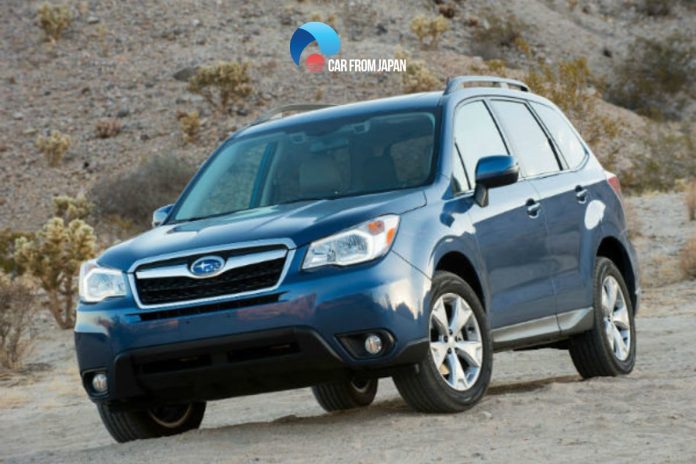
No car is perfect, and the 2015 Subaru Forester is no exception. Behind its strong safety reputation and all-weather capability sits a short list of well-documented problems – some minor, some worth taking seriously. This guide covers all of the 2015 Subaru Forester problems, so you know exactly what you’re buying into.
Contents
Is the 2015 Subaru Forester a Reliable Car?
The honest answer sits somewhere in the middle – it’s a capable, practical SUV with a loyal owner base, but it carries a few well-documented problems that any used buyer should know going in.
On the reliability front, J.D. Power gives the 2015 Forester a rating of 3 out of 5 – described as “about average” for its class. Consumer Reports confirms the car has been recalled 3 times by NHTSA, covering issues ranging from a brake light switch malfunction to an occupant detection system failure on models with heated seats. Among the 327 owners surveyed by Kelley Blue Book, 75% said they would recommend the vehicle, and 64% gave it a full five stars, suggesting most owners are satisfied. Still, a meaningful minority have had frustrating experiences.
The most consistently reported problem across owner communities and NHTSA complaint data is excessive oil consumption on the 2.5-liter FB25 engine, with some owners reporting the oil light coming on as early as 2,000 to 3,000 miles after an oil change. CVT reliability and AC compressor failure are also recurring themes on higher-mileage examples.
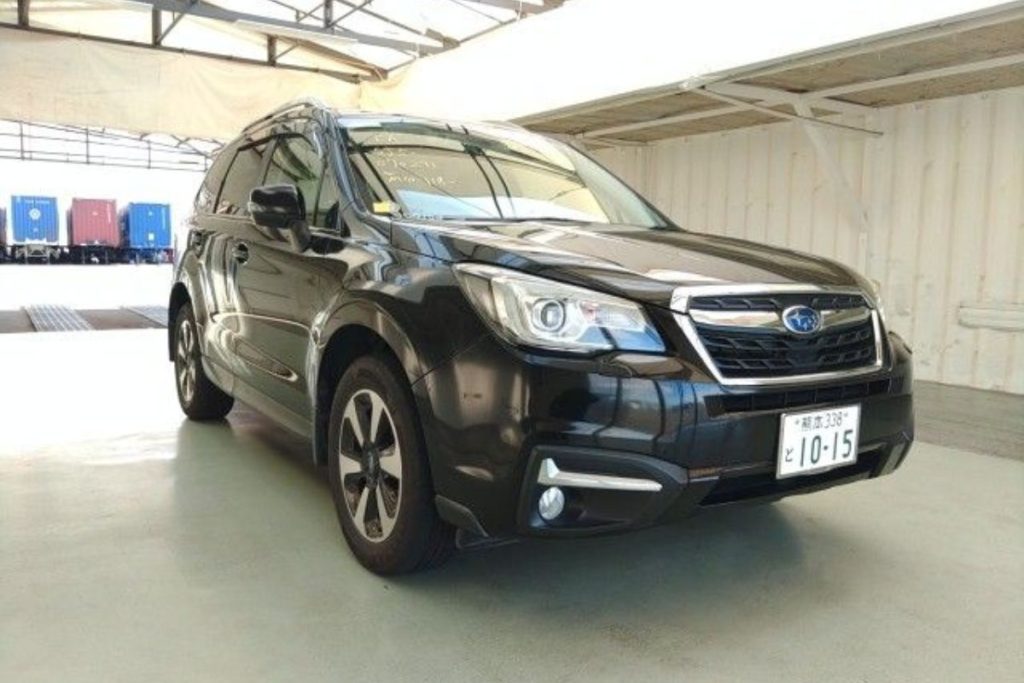
For the right buyer – someone willing to stay on top of oil levels, keep up with CVT maintenance, and verify all recalls have been addressed – the 2015 Forester is still a smart used buy. For someone who wants a completely hands-off ownership experience, other Forester’s generations are a safer bet.
Most Common 2015 Subaru Forester Problems You Should Know
Now that we know where the 2015 Forester stands overall, here’s a closer look at each problem and what it actually means for day-to-day ownership.
Excessive oil consumption
This is the most widely reported issue on the 2015 Forester and the one that deserves the most attention before buying. The FB25 2.5-liter engine has a known tendency to burn through oil between changes – with many owners reporting having to top off as early as 2,000 to 3,000 miles after a fresh oil change.
Some cases were severe enough that Subaru replaced engines under warranty, with a handful of owners going through two engine replacements on the same car. The problem appears across both low and high mileage examples, though it tends to worsen with age. Before purchasing any used 2015 Forester, check the oil level and color yourself, and ask for documentation of how frequently oil was monitored between services.
CVT transmission issues
The CVT on the 2015 Forester has generated a consistent stream of complaints, ranging from sudden loss of power while driving to the transmission slipping or shuddering under load. Some owners reported the CVT failing before 70,000 miles – a costly repair given that Subaru CVT replacements are not cheap.
NHTSA complaint data includes cases where the transmission unexpectedly entered a neutral-like state while driving at highway speeds, which is a genuine safety concern. CVT fluid condition is the single most important thing to check on any used 2015 Forester – if the fluid has never been changed or the service history is unclear, factor in an immediate CVT service or walk away.
Brake light switch recall
One of the three official NHTSA recalls on the 2015 Forester involves the brake light switch. Exposure to certain contaminants can cause the switch to malfunction, preventing the brake lights from illuminating when the pedal is pressed. On keyless ignition models, the same fault can also prevent the car from starting and stop CVT-equipped vehicles from shifting out of Park. This recall affected a large number of vehicles across multiple Subaru models – 1,303,530 units in total across the 2014 to 2016 Forester range. Before buying, always verify the VIN on NHTSA’s official recall database to confirm this repair has been completed.
Occupant detection system failure
The second notable recall affects 2015 Forester models equipped with heated seats. The occupant detection system – responsible for determining whether the passenger airbag should deploy – can fail to correctly sense a person in the seat, which could result in the airbag not deploying properly in a collision. This recall covered 366,282 vehicles across the 2015 to 2018 Forester range. Again, a quick VIN check on NHTSA’s website will tell you whether the affected vehicle has had this repair carried out.
Electrical and body computer glitches
Beyond the recalls, the 2015 Forester has a documented pattern of electrical gremlins that tend to surface on higher-mileage or older examples. Cruise control cutting out intermittently, rear windows failing to operate, horn malfunctions, and Bluetooth connectivity issues have all been reported across owner communities.
In many cases, these symptoms point to a failing body control module rather than individual component failures – a diagnosis that a CarsGuide expert noted is a classic sign of a computer “suffering a slow death.” An OBD-II scan before purchase can catch stored fault codes that might not be triggering a visible warning light, making it a worthwhile step before committing to any used example.
How to Deal With These Problems
Knowing the problems is only half the picture — here’s what you can actually do about them.
Oil consumption: What owners can do
Check the oil level every 1,000 to 1,500 miles rather than waiting for the warning light. Using quality full synthetic oil and shortening the change interval to every 3,000 to 4,000 miles helps reduce consumption and keeps the engine better protected. For used buyers, requesting a Subaru oil consumption test before purchase gives you a concrete picture of how severe the issue is on that specific car.
CVT maintenance tips
Change the CVT fluid every 30,000 to 40,000 miles – more frequently than Subaru’s official guidance, but widely supported by long-term owner experience. When buying used, treat an unknown CVT service history as a red flag and budget for an immediate fluid change. During a test drive, listen for shuddering or hesitation under acceleration – early warning signs that the transmission is already under stress.
How to check active recalls before buying
Visit nhtsa.gov and run the VIN before committing to any purchase. For the 2015 Forester, confirm that both the brake light switch recall and the occupant detection system recall have been completed. If either is still open, a Subaru dealership must perform the repair free of charge, so it’s not necessarily a dealbreaker, but it’s something every buyer should verify upfront.
The 2015 Subaru Forester is far from a bad car – its AWD capability, safety scores, and practical layout still make it a compelling used car to buy. But it rewards informed buyers.
Stay on top of oil levels, verify the CVT service history, and always run a VIN check before signing anything. Do those things and the 2015 Forester will likely give you many more reliable miles ahead.