


Your turbocharged engines give you great power and performance, but they need a little protection from you. If you skip the cool-down process, you’re slowly but surely damaging your turbo. Think of this simple step as essential maintenance. We explain the physics behind the necessary cool-down period and give you the easy rule to follow to ensure your turbocharger lasts as long as your car does.
Why You Should Never Stop Turbocharged Engines After Driving
We will let you know why stopping a turbocharged engine immediately after a long drive is a bad idea. However, let us first understand how a car engine, primarily a turbocharged engine, operates.
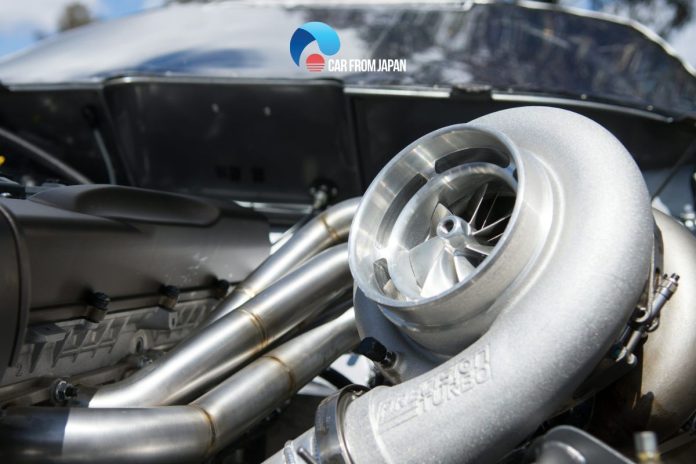
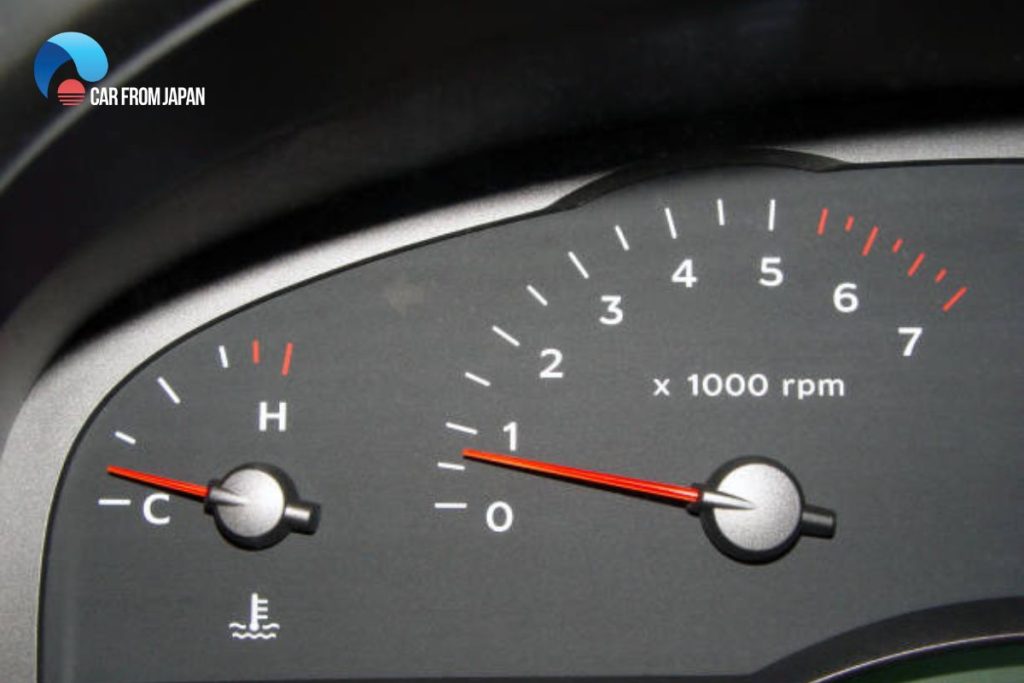
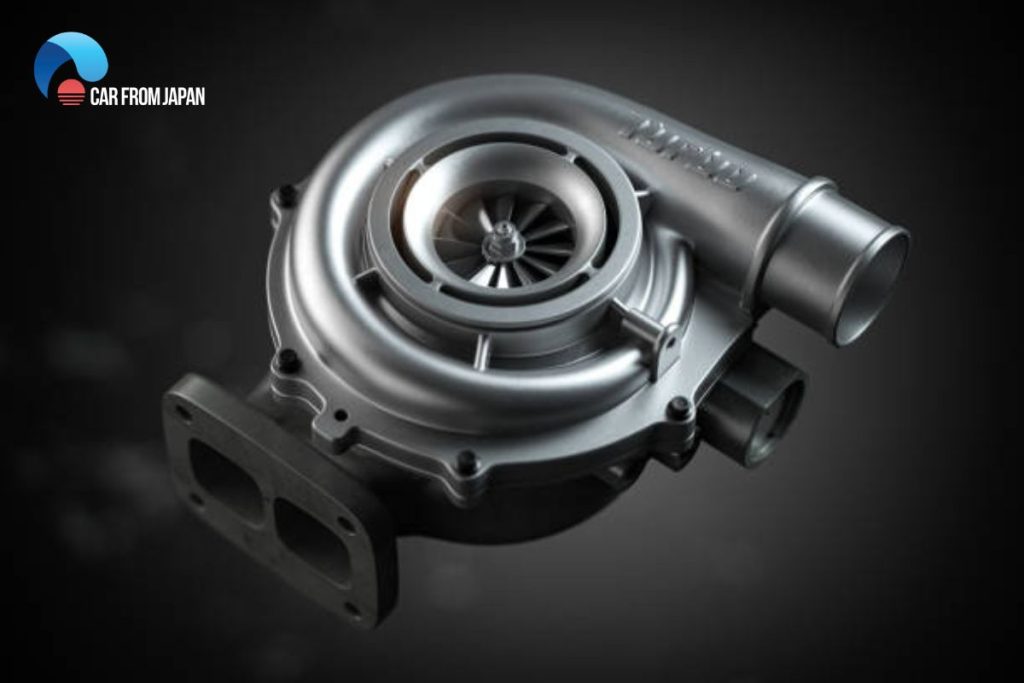
The car engines have an RPM limit of 5,000 to 7,000. On the other hand, turbocharged engines can quickly spin up to 150,000 RPM.
The turbocharged engine cars without an intercooler can face temperatures as high as 150 degrees Celsius.
You might not realize, but inertia keeps a turbo engine spinning even after the car owner switches off the engine. You can browse online to know the best maintenance tips for your car engine.
One of the techniques to save the turbocharged engine from any damage is using idling.
1. High speed and exhaust
The primary reason for damage to the turbocharged engines includes a thermal shutdown, which causes complete engine failure.
Presently, all mass-market vehicles come with oil-cooled turbo engines in which the oil dissipates heat and prevents damage to the bearings.
The second issue can include heat soak from the exhaust fumes. The worst thing a car driver can do to further the damage is to shut off the car engine suddenly after a long run.
2. What is idling?
You must understand that turbocharged engines run on exhaust gases. The hot gases and high spinning speed make it extremely hot after a drive. High temperature causes the engine oil to burn and lose its properties.
In case you turn off the car engine suddenly, the exhaust gases remain trapped inside the charger, and it can quickly destroy the engine over time, not to forget also reduce its lifespan.
To make sure that the turbocharger engine receives complete lubrication and is free from any harmful fumes, you would need to idle the engine before turning it off.
Idling the car engine would allow both the oil and coolant to flow through the center section of the turbocharged engine. As turbocharged engines have a higher temperature, there is a lot of thermal energy.
You can also choose to drive the car at a lower RPM during the last few kilometers to reduce the temperature.
FAQs
How long should I let my turbocharged engine idle before turning it off?
It’s generally recommended to let your turbocharged engine idle for a period of 30 seconds to a few minutes, depending on how hard the engine was working before shutdown.
This allows the turbo to cool down and ensures continued oil and coolant flow to carry away excess heat.
Can modern turbocharged engines manage cooling without idling?
Yes, many newer turbocharged engines are equipped with advanced cooling systems that can continue to circulate coolant even after the engine is turned off, reducing the risk of damage.
Some vehicles also have turbo timers that keep the engine running for a predetermined period after ignition off.
What is a turbo timer, and how does it work?
A turbo timer is an electronic device that automatically keeps the engine idling for a preset time after the ignition key is removed.
This allows the turbo and engine to cool down properly after driving, helping to prevent oil coking and turbocharger damage.
Does frequent stopping and starting affect turbocharged engines in city driving?
Frequent stops and starts in city driving do not typically subject the turbocharger to the same levels of heat as high-speed or load driving.
However, maintaining regular oil changes and following the manufacturer’s maintenance schedule are crucial for longevity.
Summing Up
We hope that this blog provides you with the necessary information about why switching off turbocharge engines suddenly after a long drive is the worst idea.
Turbocharged engines provide the essential speed and torque to racing enthusiasts; all the more reason not to try switching them off suddenly.





