


Cars built in 2002 hit the 25-year mark during 2027, so JDM cars from that year become legal to import into the US one month at a time. That includes the last R34 GT-R, S15 Silvia, FD3S RX-7, and JZA80 Supra, all of which ended production around August 2002. But the model year isn’t what counts. The build month on the chassis plate is, so a car built in August 2002 can’t enter the US until August 2027.
Contents
How Does the 25-Year Rule Work in 2027?
The short answer is that two federal agencies run separate clocks, and they don’t match. A car can look eligible on one test and fail the other, so it pays to understand both.
- The two clocks
NHTSA counts 25 years from the exact month a car was made. EPA counts calendar years and uses 21, but only for a car in its original, unmodified configuration. The tariff exemption also runs on calendar years, while DOT runs on months. That’s why you should check the build date on the car’s certification label, not the model year in the listing.
- The engine swap trap
Engine swaps are the second thing to watch. EPA says a replacement engine only qualifies if it matches the original model. That can cause problems for a heavily modified RB26 or SR20.
JDM Cars to Import to US in 2027: What Are They?
Eleven popular models are on the list, and each one opens at a different time of year. The table below shows when:
| Model | Production or launch | Eligible in 2027 |
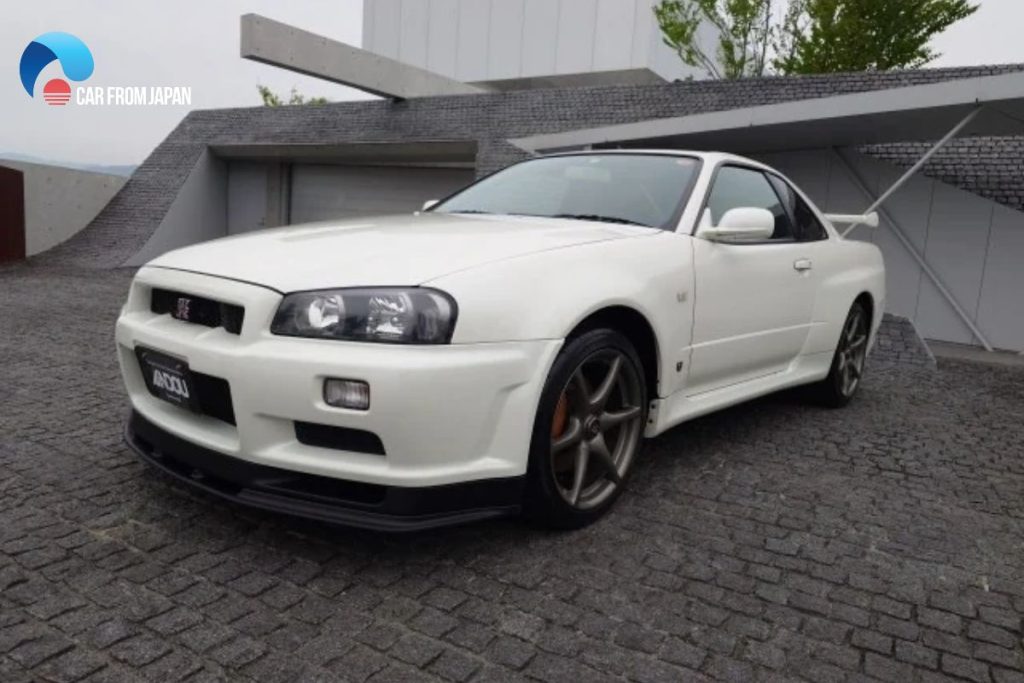
| Skyline GT-R R34 | Production ended in early August 2002; Nür editions orderable from February 2002 | 2002 builds, Nür cars from about February |
| Skyline 25GT Turbo (ER34) | 1998–2002 | 2002 builds |
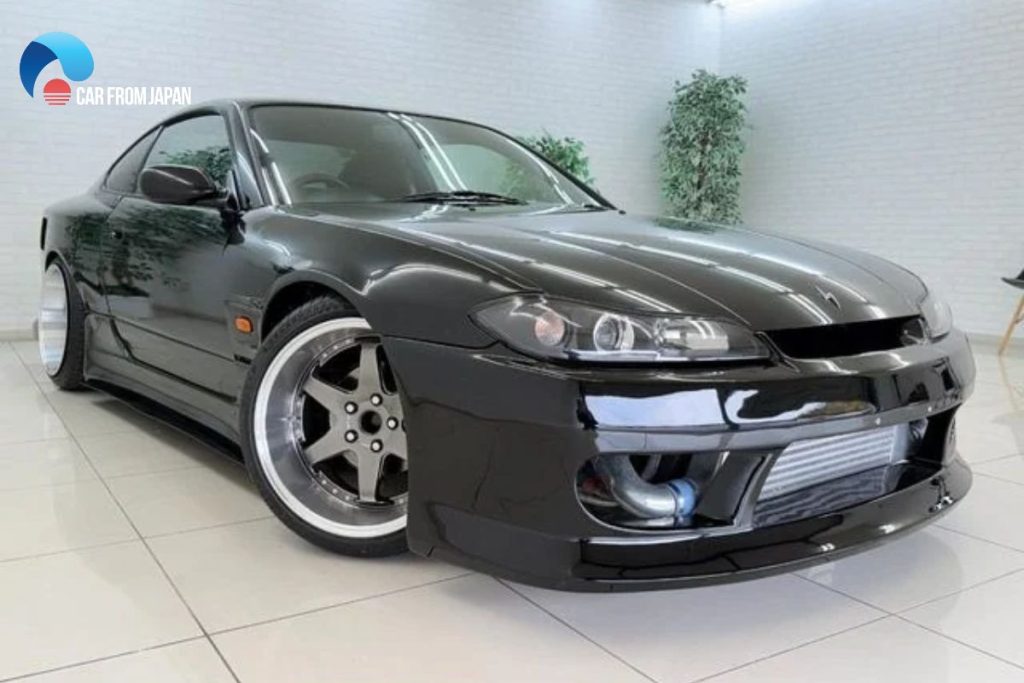
| Silvia S15 | Ended August 2002 | Through August |
| RX-7 FD3S Spirit R | On sale April 2002 | From April |
| Supra JZA80 | Ended August 2002 | Last builds August |
| Fairlady Z (Z33) | Japan launch July 2002 | From about July |
| Integra Type R (DC5) | On sale July 2001 | 2002 builds |
| Civic Type R (EP3) | Sold in Japan from December 2001, built in England | 2002 builds |
| Lancer Evolution VII / GT-A | Evo VII Feb 2001, GT-A added February 2002 | 2002 builds, GT-A from about Feb |
| Chaser JZX100 | Ended June 2001 | Already open |
| RX-8 | Sales began April 2003 | Not until 2028 |
Which 2027 JDM Imports Are Worth Buying?
Here’re some models you should consider if you have a plan to import a used Japanese car in 2027
Collector-grade: R34 GT-R Nür and RX-7 Spirit R
Nissan built 1,003 Nür models: 718 V-Spec II and 285 M-Spec. One market tracker lists V-Spec II Nür sales between roughly $320,000 and $560,000. Mazda sold about 1,500 Spirit Rs, only in Japan. These are collector assets, not daily drivers. Prices can swing, and this isn’t financial advice.
Cars you can actually drive: S15, ER34 and Supra
A standard Silvia S15 is the sweet spot for most buyers. In 2026, US sales of the Spec-R ranged from $27,250 to $44,490. The ER34 25GT Turbo gives you an RB25DET in a rear-drive R34 without GT-R money. The last JZA80 Supras don’t open until August 2027, so it’s smart to shortlist one early, then wait for its build month.
Skip or wait: Z33 and RX-8
The US already got the Z33 as the 350Z from August 2002, so import one only if you want the JDM spec. The RX-8 isn’t eligible until 2028, so don’t pay a premium for “coming soon” listings. A late-2002 car sold as “eligible soon” can’t clear customs until its own month arrives.
Japan’s tougher emissions rules took effect in 2002, and that’s when the R34 GT-R and several other sports cars went out of production. Those last cars will reach the 25-year mark in 2027, but no more are being made. In our view, that means a limited supply and more buyers competing for them every month, so getting your paperwork right matters more than moving fast.
Can You Register an Imported JDM Car in Every State?
Most states allow registration of JDM cars that qualify under the federal 25-year rule, but some restrict certain vehicles, and others add emissions or inspection steps. Federal clearance only gets the car into the country. Whether you can plate and drive it depends on your state.
Why does the process vary?
Each state sets its own rules for paperwork, VIN checks, emissions, and plates. Two buyers with the same R34 or S15 can have very different experiences depending on where they live.
Owner’s experience
Let’s take an example from an owner in Colorado who shared how he registered a 2001 JDM Toyota:
- Temporary plates. The owner got them with proof of purchase and proof of insurance, and said photocopies of the auction documents were enough. They used the temporary plates to complete the remaining steps.
- VIN verification. The owner had it done at a local Toyota dealership. Colorado’s DMV lists licensed motor vehicle dealers and emissions stations among those allowed to do a standard VIN verification.
- Translation. The owner reported that a notarized translation of the Japanese title helped but wasn’t required, as long as the translator wasn’t the car’s owner. Confirm this with your county office.
- Emissions. The owner went through a one-time “grey market” check. Colorado requires a grey market vehicle to have a valid registration, which may be temporary, and Form DR 2365 from the Emissions Technical Center before it can get an emissions test. The owner said the appointment took about two weeks to get, the inspection took about 30 minutes, and the paperwork then covered later emissions checks.
None of these steps would apply in the same way in another state, and local rules change. Let’s confirm the current requirements before buying.