


If you own or are shopping for a modern diesel, there is a small sensor buried in the exhaust that is worth knowing about: the NOx sensor. Most drivers never give it a thought until a warning light appears and the repair quote comes back higher than expected.
It is one of the more common failures on today’s emissions-controlled diesels, from passenger SUVs to commercial trucks. Here is what the sensor does, why it fails, the signs to watch for, and how to replace it without throwing money away.
Contents
What a NOx Sensor Does
Modern diesels have to keep nitrogen oxides (NOx), a major pollutant, within strict limits. They manage this with a selective catalytic reduction (SCR) system that injects diesel exhaust fluid (DEF, also sold as AdBlue) into the exhaust.
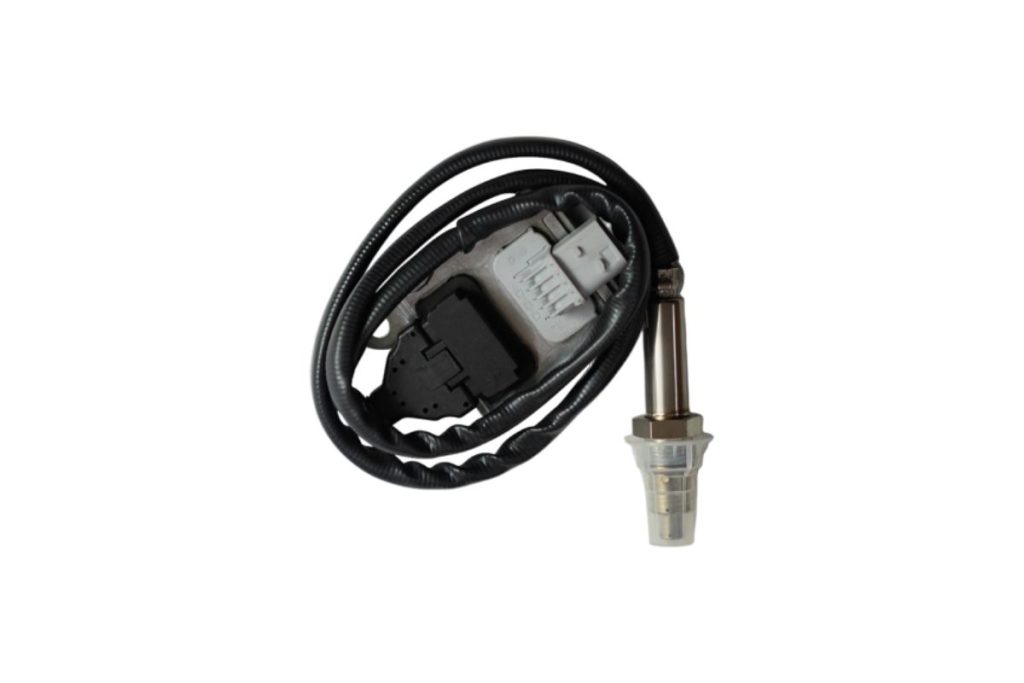
The NOx sensor is what keeps that system accurate. It measures how much NOx is in the exhaust and reports it to the engine computer, which then decides how much DEF to inject. Most diesels use two of these sensors, one before and one after the SCR catalyst, so the system can check its own work.
Because they are matched to the engine, NOx sensors are engine-specific. On Cummins diesels, for example, one common genuine OEM unit is the 3687930rx available from Wisent Parts Center. Different engines use different sensors, but they all do the same core job, so the way they fail and the symptoms they cause tend to look very similar across brands.
Why NOx Sensors Fail (and Why They Aren’t Cheap)
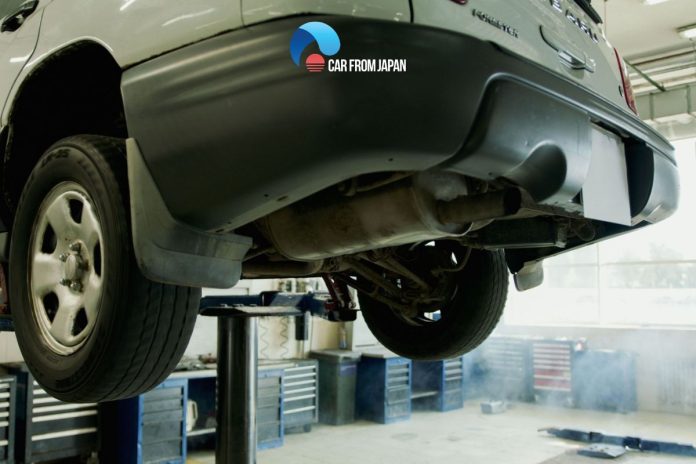
A NOx sensor lives in one of the harshest spots on the whole vehicle. It sits directly in a hot, sooty, chemically aggressive exhaust stream, and it is a sensitive electronic component on top of that.
Over time, soot and ash coat the sensing element, DEF deposits build up, and constant heat cycling simply wears it out. Most fail from age and mileage rather than any single dramatic event. Poor-quality fuel or contaminated DEF only speeds the process up, and a lot of short trips that never fully heat the exhaust let deposits form faster.
They are also pricier than an average sensor, because each one is a precision emissions component with its own built-in electronics. That is why a NOx sensor fault is a repair people actually notice on the bill, and why fitting a quality part the first time saves money in the long run.
Warning Signs to Watch For
A failing NOx sensor usually announces itself well before it leaves you stranded. The common signs include:
- A check-engine light, often with SCR or NOx-related fault codes
- Reduced power, or the engine dropping into a derate
- Higher-than-normal DEF consumption
- Noticeably worse fuel economy
- Emissions-system warnings, sometimes counting down to a speed limit
On many modern diesels, ignoring these can eventually push the vehicle into a limited-power or even no-start state, because the emissions system is designed to force a repair. Catching it early keeps a manageable fix from turning into a roadside problem or a truck that cannot earn its keep.
Replacing It the Right Way
Two things make a NOx sensor job go smoothly. First, confirm which sensor is actually at fault, upstream or downstream, instead of replacing both on a guess. A proper scan-tool reading points you to the right one and saves you from buying parts you do not need. Second, use a genuine OEM sensor that matches your engine. A correct OEM unit reads accurately and works with the system the way the factory intended, which a cheap copy cannot always promise.
Matching the exact part number for your specific engine is the step people skip most often. If you are not certain which sensor your vehicle takes, confirm it by your engine or vehicle details before ordering rather than guessing from a photo.

A Note for Used Diesel Buyers
If you are buying a used diesel, the emissions system deserves a proper look. Ask whether any NOx sensor or SCR faults have come up, and watch for a check-engine light during the test drive. A NOx sensor fault is not necessarily a dealbreaker. It is a known wear item and a fixable one, but it is a fair point to factor into the price. A clean, well-maintained emissions system is also a good sign that the previous owner genuinely looked after the vehicle.
The NOx sensor is a small part with an outsized effect on how a modern diesel runs and whether it stays legal on the road. Learn the warning signs, diagnose the fault accurately, and replace it with the right OEM part, and it quietly goes back to being something you never have to think about.





