



A faulty Powertrain Control Module (PCM) can create a chain reaction of engine, transmission, and electrical failures, often leaving mechanics scratching their heads. Don’t wait for a complete breakdown. Learn these essential warning signs now to diagnose bad PCM symptoms before it strands you on the side of the road.
Contents
What Is A PCM On A Car?
PCM is an acronym for Power Control Module. A vehicle’s powertrain consists of the engine components, transmission, and transmission shafts. This computer monitors and controls the functions of each system for optimal performance. The PCM receives data using sensors that relay the information to the PCM.
As each sensor sends information to this computer, a series of complex software programs work together to adjust settings such as fuel/air mixture for the fuel system, changes in RPM for the gearbox, and even brake effect for the anti-lock braking system. Computer systems such as ABS, throttle position sensor, and Check Engine Light send their data to the PCM.
Bad PCM Symptoms to be Aware of

The car manifests the powertrain control module symptoms with various erratic behaviors. The PCM makes the engine and transmission work in tandem. Any issue with it will cause major problems with the running of the vehicle.
Knowing the bad PCM symptoms helps to spot the troubling point and seek a solution.
A poorly running engine
The PCM is the brain behind the operation and regulation of the fuel system. Various engine components and sensors send the PCM data about the functions of the engine. The module analyses the data and adjusts the fuel mixture accordingly.
The trouble with the PCM means it cannot determine the correct fuel mixture and sends the engine either more or less fuel than it requires. When the engine gets more power, the carbon emissions increase, and the fuel economy drops. In case of the opposite, the engine will choke, stutter, and stall sometimes.
The vehicle may not start
The PCM makes sure that the engine runs smoothly, and the crankshaft and camshaft have to be in the correct positions to make that happen. The module also controls the ignition timing and sparks from the spark plugs.
Symptoms of a bad PCM may include the vehicle not running at all. All these components play a part in kicking off and running the engine. When they can’t function properly, the car may not run at all. In that case, the engine will not crank, or even if it does, it will not start.

Increased emissions
As the PCM controls the fuel mixture, it is also in charge of the exhaust emissions. When it supplies the engine with more fuel than necessary, the emission rate goes up, and the exhaust belches out foul-smelling or oddly-colored smoke. Bad PCM symptoms may lead to a failed emission test.
Check engine and other error lights
A failing PCM disrupts the functions of many components along with the engine. As the module becomes unable to read the sensors correctly, the car won’t be able to give its best performance. The state of affairs will cause the check engine and a few other error lights to come on.
What Triggers the PCM Failure Symptoms?
There are basically two reasons that can cause the PCM to go berserk and mess with all the motor functions of a car.
Voltage overloads
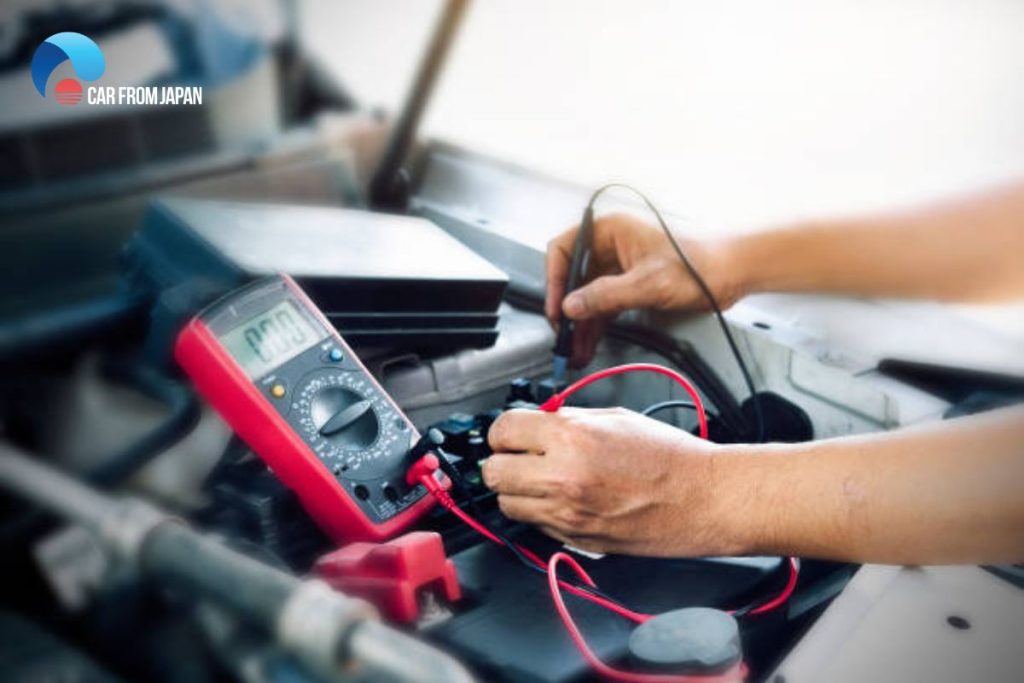
Shorts in the actuator circuit or solenoid, or some other issues in these parts, will cause voltage overloads and damage the PCM. A proper diagnosis by a professional mechanic will be the best way to pinpoint the problem.
Remember that if a voltage overload is causing the trouble, you must repair or replace the shorted solenoid or actuator. Otherwise, the new PCM will face the same issue.
Environmental factors
The PCM is a highly sophisticated machine that is sensitive to weather elements. Water does the most damage. Even one or two drops can render the PCM irreparable. The auto repair shops won’t even attempt to repair the PCM if it is water damaged.
Extreme heat and excessive vibration are the other two environmental factors that can cause the malfunction of the PCM. Vibration or heat creates micro-cracks in the circuit boards that are repairable.
Depending on the type of bad PCM symptoms, you may have to repair or replace the unit. Replacing is simple and involves nothing more than swapping boxes. If you are doing it at home, remember to disconnect the battery before removing the old PCM and during the installation of the new one.
Watch more:
Final Thoughts
Ultimately, the Powertrain Control Module is responsible for nearly every major operation in your car, which is why a bad PCM can manifest in such strange and varied ways—from sudden stalling to weird shifting patterns.
The most important thing is not to dismiss these persistent, mysterious symptoms as minor glitches. If you’re seeing several of these signs, it’s definitely time to get a specialist involved for a proper diagnostic scan.
Hopefully, this article will give you more information to detect and diagnose the symptoms of a bad PCM in your car.





