


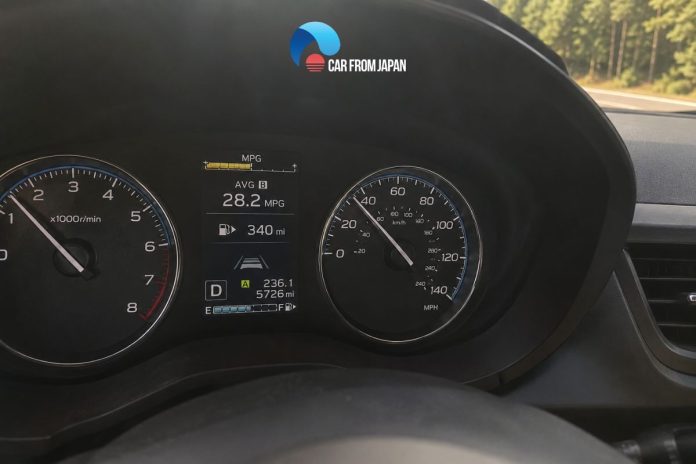
All-wheel drive and good fuel economy don’t usually go hand in hand – yet the Subaru Forester manages to offer both without asking you to compromise much. So how fuel efficient is it really, and is it competitive enough to make a difference when you’re choosing your next SUV? Let’s find out about the Subaru Forester miles per gallon:
Contents
Is the Subaru Forester a Fuel-Efficient SUV?
The Forester may not be the first name that comes to mind for fuel economy, but it holds up better than most people give it credit for.
Where it stands among compact SUVs
With EPA ratings of up to 26 mpg in the city and 33 mpg on the highway, the Subaru Forester sits in a solid middle ground within the compact SUV segment. It’s not the most fuel-efficient option in its class, but it’s competitive – especially considering that all-wheel drive comes standard on every trim level. Most rivals either charge extra for AWD or don’t offer it at all, so getting those mpg figures with full-time traction is a genuine advantage that’s easy to overlook on a spec sheet.
What powers the Forester’s efficiency
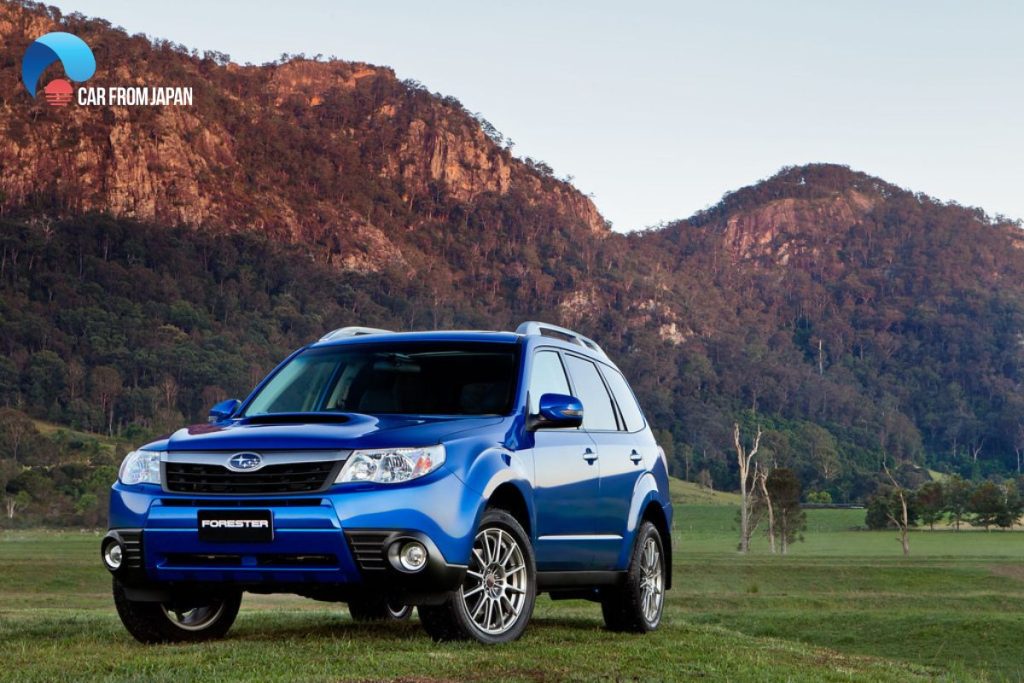
Every Forester is powered by a 2.5-liter naturally aspirated SUBARU BOXER four-cylinder engine paired with a Lineartronic CVT. The horizontally opposed layout of the BOXER engine sits lower in the chassis than a conventional engine, helping keep the drivetrain balanced and efficient. The CVT keeps the engine running in its most efficient range rather than jumping between fixed gears, which translates to smoother, more consistent fuel consumption across different driving conditions. It’s a simple, well-matched combination that does its job without drama.
Subaru Forester Miles Per Gallon by Model Year
The Forester’s fuel economy has improved steadily across every generation — here’s what to expect depending on which year you’re looking at.
Early generations (1998–2012): How it all started
Fuel economy wasn’t the Forester’s strong suit in its early years. First- and second-generation models (1998–2008) returned around 20 to 22 mpg combined on naturally aspirated engines, with turbocharged XT versions dropping to 18 to 19 mpg city and requiring premium fuel. The third generation (2009–2012) improved slightly to around 22 mpg combined on the automatic and 24 mpg on the manual. Decent for their era, but far from what later generations would achieve.
Middle generations (2013–2018): The efficiency jump
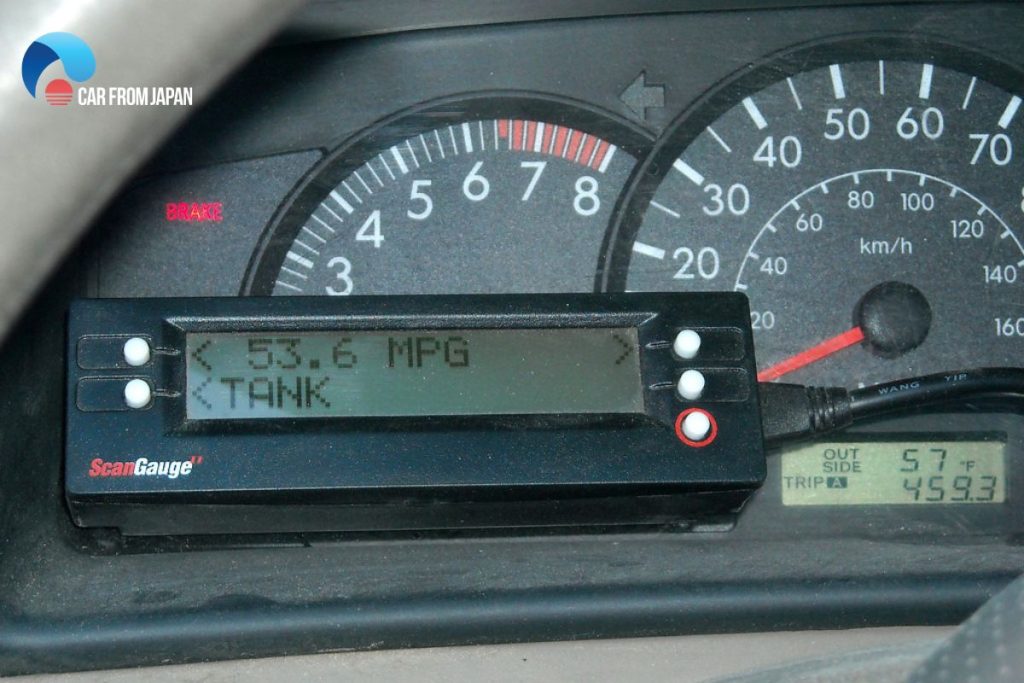
The introduction of the Lineartronic CVT in 2013 was the turning point. EPA ratings jumped to 26 city and 32 highway on naturally aspirated models — a significant gain over the previous generation. The turbocharged 2.0XT returned a lower 23 city and 27 highway. The fifth generation (2016–2018) carried these same figures forward with minor refinements.
Current generation (2019–present): Where it stands today
The sixth-generation Forester delivers 26 city and 33 highway on standard trims, with Consumer Reports real-world testing returning 28 to 29 mpg combined — among the best in the compact SUV class. The Wilderness trim is the only exception at 25 city and 28 highway due to its off-road setup and aggressive tires.
Subaru Forester MPG by Trim Level
Trim choice matters less than you’d think for fuel economy — with one notable exception.
On the 2024 model, all standard trims — Base, Premium, Sport, Limited, and Touring — deliver the same 26 city and 33 highway mpg, making the fuel economy decision straightforward regardless of which trim fits your budget. The 2025 model introduced a small difference: the Base, Premium, and Limited trims maintained 26/33 mpg, while the Sport and Touring dropped slightly to 25/32 mpg due to their larger 19-inch alloy wheels adding extra unsprung weight. Either way, the differences are minor and unlikely to matter much in everyday driving.
The Forester Wilderness: The exception
The Wilderness is the one trim that stands apart. Rated at 25 city and 28 highway mpg on both the 2024 and 2025 models, it gives up around 5 highway mpg compared to the standard lineup. The reason is straightforward — all-terrain tires, increased ground clearance, and a more aggressive suspension setup all work against fuel efficiency. If off-road capability is the priority, the trade-off is worth it. If fuel economy is the main concern, one of the standard trims is the better pick.
What Affects Subaru Forester Fuel Economy in Practice?
EPA numbers are a useful starting point, but your actual mileage depends on a few key factors.
City vs Highway driving

The Forester performs noticeably better on the highway than in the city. Stop-and-go traffic pushes consumption up, while steady highway speeds let the CVT work efficiently. Edmunds testing noted that aggressive city driving can drop figures well below the EPA estimate — so urban drivers should realistically expect closer to 24 to 26 mpg rather than the combined 29 mpg rating.
AWD and its impact on MPG
Standard AWD adds mechanical weight and drivetrain resistance compared to front-wheel-drive competitors, which creates a small but unavoidable efficiency cost. Subaru’s Symmetrical AWD runs continuously rather than only engaging when needed, keeping it reliable but always drawing a little extra power. That said, the penalty is modest – and most rivals charge extra for AWD while returning similar numbers.
Tips to maximize fuel economy
A few simple habits go a long way. Keep tires properly inflated, avoid hard acceleration, and use Intelligent mode over Sport mode on the SI-DRIVE system. On highway trips, cruise control is one of the easiest ways to hit or even exceed the EPA estimate. Regular maintenance – clean air filter, fresh spark plugs, timely oil changes – keeps everything running as efficiently as possible.
Final Thoughts
The Subaru Forester isn’t the most fuel-efficient SUV in its class, but it makes a strong case when you factor in what comes standard. Getting up to 33 mpg highway with all-wheel drive on every trim, at a competitive price point, is genuinely hard to beat. Whether you’re shopping for a newer model or a used example from the 2013 generation onward, the Forester delivers consistent, predictable fuel economy that holds up well in everyday driving. For most buyers, that’s more than enough.