


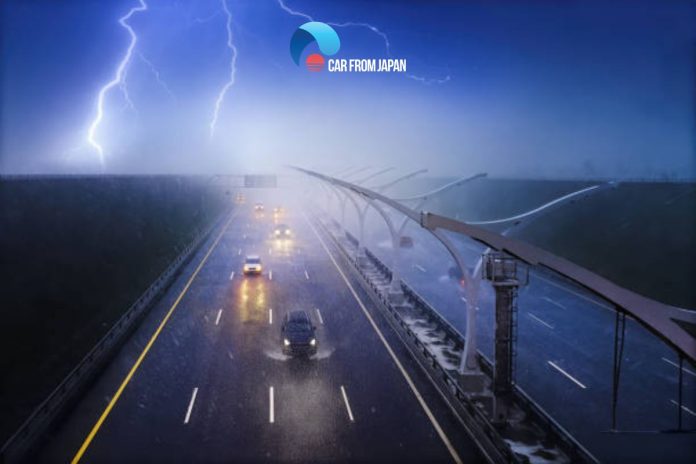
Weather͏͏ patterns͏͏ influence͏͏ road͏͏ behavior͏͏ in͏͏ ways͏͏ many͏͏ drivers͏͏ underestimate.͏͏ Rain͏͏ reduces͏͏ tire͏͏ grip,͏͏ heat͏͏ increases͏͏ tire͏͏ pressure,͏͏ and͏͏ freezing͏͏ temperatures͏͏ stiffen͏͏ rubber͏͏ components͏͏ that͏͏ normally͏͏ flex͏͏ under͏͏ load.͏͏
These͏͏ changes͏͏ directly͏͏ affect͏͏ steering͏͏ response,͏͏ braking͏͏ distance,͏͏ and͏͏ overall͏͏ vehicle͏͏ stability.͏͏ Drivers͏͏ who͏͏ adjust͏͏ speed͏͏ and͏͏ spacing͏͏ according͏͏ to͏͏ seasonal͏͏ shifts͏͏ protect͏͏ both͏͏ their͏͏ safety͏͏ and͏͏ the͏͏ mechanical͏͏ health͏͏ of͏͏ their͏͏ vehicles.
Temperature͏͏ fluctuations͏͏ also͏͏ affect͏͏ engine͏͏ performance͏͏ and͏͏ fluid͏͏ efficiency.͏͏ Cold͏͏ mornings͏͏ thicken͏͏ engine͏͏ oil,͏͏ which͏͏ delays͏͏ proper͏͏ lubrication͏͏ during͏͏ startup.͏͏ Excessive͏͏ heat,͏͏ on͏͏ the͏͏ other͏͏ hand,͏͏ can͏͏ strain͏͏ cooling͏͏ systems͏͏ and͏͏ accelerate͏͏ fluid͏͏ breakdown.͏͏
By͏͏ monitoring͏͏ tire͏͏ pressure͏͏ regularly͏͏ and͏͏ scheduling͏͏ maintenance͏͏ ahead͏͏ of͏͏ seasonal͏͏ transitions,͏͏ drivers͏͏ reduce͏͏ strain͏͏ on͏͏ key͏͏ components͏͏ and͏͏ maintain͏͏ consistent͏͏ vehicle͏͏ performance͏͏ throughout͏͏ the͏͏ year.
Contents
Rainfall,͏͏ Reduced͏͏ Visibility,͏͏ and͏͏ Car͏͏ Accident͏͏ Risk
According to one law firm, heavy͏͏ rain͏͏ creates͏͏ a͏͏ thin͏͏ film͏͏ of͏͏ water͏͏ between͏͏ tires͏͏ and͏͏ pavement,͏͏ increasing͏͏ the͏͏ likelihood͏͏ of͏͏ hydroplaning.͏͏ When͏͏ tread͏͏ depth͏͏ is͏͏ low͏͏ or͏͏ speed͏͏ remains͏͏ high,͏͏ drivers͏͏ lose͏͏ traction͏͏ quickly͏͏ and͏͏ may͏͏ struggle͏͏ to͏͏ regain͏͏ control.͏͏
Reduced͏͏ visibility͏͏ during͏͏ storms͏͏ compounds͏͏ the͏͏ danger,͏͏ as͏͏ reaction͏͏ times͏͏ shrink͏͏ while͏͏ braking͏͏ distances͏͏ expand.͏͏ These͏͏ conditions͏͏ often͏͏ contribute͏͏ to͏͏ a͏͏ car͏͏ accident,͏͏ especially͏͏ when͏͏ drivers͏͏ fail͏͏ to͏͏ adapt͏͏ to͏͏ wet͏͏ surfaces.
Proper͏͏ tire͏͏ maintenance͏͏ and͏͏ moderate͏͏ speed͏͏ play͏͏ a͏͏ significant͏͏ role͏͏ in͏͏ lowering͏͏ collision͏͏ risk͏͏ during͏͏ storms.͏͏ Drivers͏͏ who͏͏ maintain͏͏ safe͏͏ following͏͏ distances͏͏ and͏͏ replace͏͏ worn͏͏ tires͏͏ improve͏͏ water͏͏ displacement͏͏ and͏͏ braking͏͏ control.͏͏
In͏͏ addition,͏͏ functioning͏͏ headlights͏͏ and͏͏ windshield͏͏ wipers͏͏ enhance͏͏ visibility͏͏ during͏͏ downpours.͏͏ While͏͏ no͏͏ one͏͏ can͏͏ control͏͏ sudden͏͏ weather͏͏ shifts,͏͏ preparation͏͏ and͏͏ disciplined͏͏ driving͏͏ habits͏͏ greatly͏͏ reduce͏͏ exposure͏͏ to͏͏ avoidable͏͏ road͏͏ incidents.
Severe͏͏ Weather͏͏
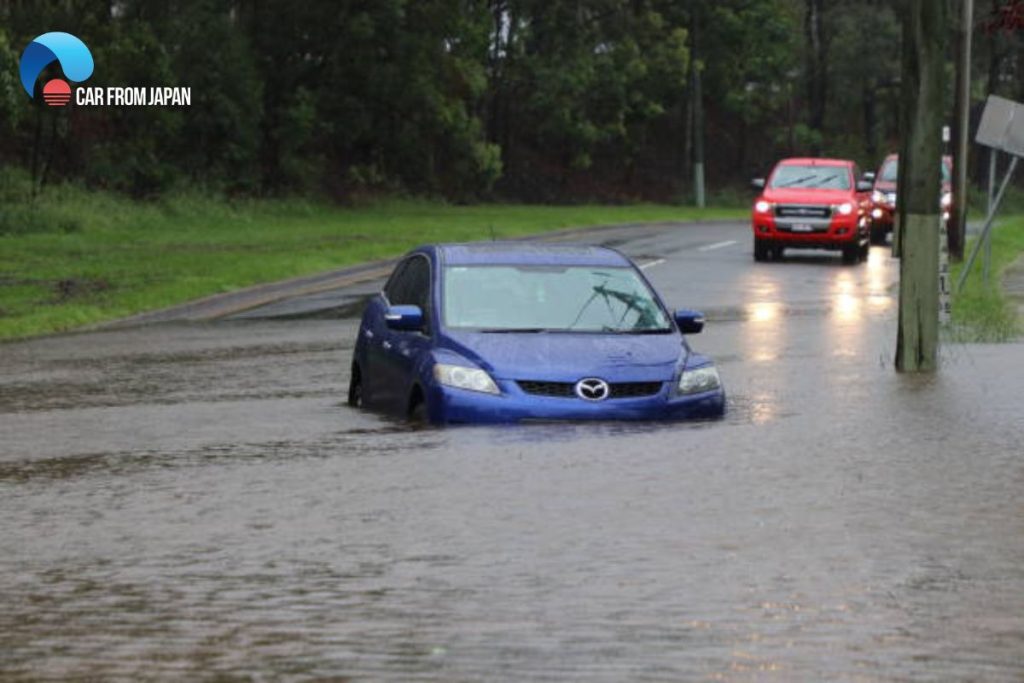
Severe͏͏ weather͏͏ does͏͏ not͏͏ only͏͏ affect͏͏ vehicles͏͏ in͏͏ motion.͏͏ Hailstorms,͏͏ falling͏͏ debris,͏͏ and͏͏ prolonged͏͏ sun͏͏ exposure͏͏ can͏͏ damage͏͏ cars͏͏ parked͏͏ outdoors.͏͏ While͏͏ garages͏͏ provide͏͏ protection,͏͏ many͏͏ households͏͏ rely͏͏ on͏͏ covered͏͏ driveways͏͏ or͏͏ roofing͏͏ structures͏͏ to͏͏ shield͏͏ vehicles͏͏ from͏͏ the͏͏ elements.͏͏ As mentioned by SK Quality Roofing, in͏͏ such͏͏ cases,͏͏ a͏͏ roofing͏͏ contractor͏͏ plays͏͏ a͏͏ practical͏͏ role͏͏ in͏͏ ensuring͏͏ that͏͏ carports͏͏ and͏͏ attached͏͏ roofing͏͏ systems͏͏ remain͏͏ structurally͏͏ sound͏͏ during͏͏ storms.
A͏͏ stable͏͏ overhead͏͏ structure͏͏ reduces͏͏ the͏͏ risk͏͏ of͏͏ falling͏͏ shingles,͏͏ leaks,͏͏ or͏͏ weakened͏͏ beams͏͏ that͏͏ could͏͏ damage͏͏ a͏͏ parked͏͏ vehicle.͏͏ Strong͏͏ roofing͏͏ materials͏͏ and͏͏ proper͏͏ drainage͏͏ systems͏͏ prevent͏͏ water͏͏ accumulation͏͏ that͏͏ may͏͏ eventually͏͏ affect͏͏ both͏͏ the͏͏ building͏͏ and͏͏ the͏͏ vehicle͏͏ stored͏͏ beneath͏͏ it.͏͏
Although͏͏ drivers͏͏ often͏͏ focus͏͏ on͏͏ road͏͏ performance͏͏ during͏͏ bad͏͏ weather,͏͏ safeguarding͏͏ where͏͏ a͏͏ car͏͏ is͏͏ parked͏͏ is͏͏ equally͏͏ important͏͏ in͏͏ preserving͏͏ its͏͏ exterior͏͏ condition͏͏ and͏͏ long͏͏ term͏͏ value.
Heat͏͏ Waves͏͏ and͏͏ Engine͏͏ Stress
Extended͏͏ periods͏͏ of͏͏ high͏͏ temperatures͏͏ push͏͏ engines͏͏ beyond͏͏ their͏͏ normal͏͏ operating͏͏ comfort͏͏ zone.͏͏ Cooling͏͏ systems͏͏ must͏͏ work͏͏ harder͏͏ to͏͏ regulate͏͏ temperature,͏͏ especially͏͏ in͏͏ heavy͏͏ traffic͏͏ where͏͏ airflow͏͏ is͏͏ limited.͏͏
If͏͏ coolant͏͏ levels͏͏ drop͏͏ or͏͏ radiator͏͏ components͏͏ wear͏͏ out,͏͏ overheating͏͏ becomes͏͏ more͏͏ likely.͏͏ Drivers͏͏ who͏͏ monitor͏͏ temperature͏͏ gauges͏͏ and͏͏ perform͏͏ routine͏͏ inspections͏͏ reduce͏͏ the͏͏ chance͏͏ of͏͏ breakdowns͏͏ during͏͏ summer͏͏ peaks.
Heat͏͏ also͏͏ accelerates͏͏ battery͏͏ degradation͏͏ and͏͏ increases͏͏ tire͏͏ pressure,͏͏ which͏͏ can͏͏ alter͏͏ handling͏͏ characteristics.͏͏ Regularly͏͏ checking͏͏ battery͏͏ health͏͏ and͏͏ adjusting͏͏ tire͏͏ pressure͏͏ according͏͏ to͏͏ manufacturer͏͏ recommendations͏͏ supports͏͏ stable͏͏ performance.͏͏
Parking͏͏ in͏͏ shaded͏͏ areas͏͏ or͏͏ using͏͏ sunshades͏͏ minimizes͏͏ interior͏͏ damage͏͏ and͏͏ reduces͏͏ cabin͏͏ heat͏͏ buildup.͏͏ Consistent͏͏ preventive͏͏ care͏͏ during͏͏ hot͏͏ months͏͏ protects͏͏ engine͏͏ integrity͏͏ and͏͏ interior͏͏ materials͏͏ alike.
Winter͏͏ Conditions͏͏ and͏͏ Traction͏͏ Control
Snow͏͏ and͏͏ ice͏͏ significantly͏͏ reduce͏͏ tire͏͏ grip͏͏ and͏͏ extend͏͏ stopping͏͏ distances.͏͏ Drivers͏͏ must͏͏ rely͏͏ more͏͏ heavily͏͏ on͏͏ traction͏͏ control͏͏ systems͏͏ and͏͏ anti͏͏ lock͏͏ braking͏͏ features͏͏ to͏͏ maintain͏͏ stability.͏͏ However,͏͏ technology͏͏ alone͏͏ cannot͏͏ compensate͏͏ for͏͏ excessive͏͏ speed͏͏ or͏͏ sudden͏͏ steering͏͏ inputs.͏͏ Smooth͏͏ acceleration͏͏ and͏͏ gradual͏͏ braking͏͏ remain͏͏ essential͏͏ during͏͏ winter͏͏ travel͏͏ to͏͏ preserve͏͏ both͏͏ safety͏͏ and͏͏ mechanical͏͏ components.
Switching͏͏ to͏͏ winter͏͏ tires͏͏ in͏͏ colder͏͏ regions͏͏ improves͏͏ grip͏͏ by͏͏ using͏͏ rubber͏͏ compounds͏͏ designed͏͏ for͏͏ low͏͏ temperatures.͏͏ Keeping͏͏ fuel͏͏ tanks͏͏ at͏͏ least͏͏ half͏͏ full͏͏ also͏͏ prevents͏͏ condensation͏͏ buildup͏͏ that͏͏ may͏͏ affect͏͏ fuel͏͏ lines.͏͏
Additionally,͏͏ ensuring͏͏ that͏͏ heating͏͏ and͏͏ defrost͏͏ systems͏͏ operate͏͏ correctly͏͏ supports͏͏ clear͏͏ visibility͏͏ in͏͏ freezing͏͏ conditions.͏͏ By͏͏ combining͏͏ mechanical͏͏ preparation͏͏ with͏͏ cautious͏͏ driving͏͏ habits,͏͏ vehicle͏͏ lifespan͏͏ and͏͏ reliability͏͏ remain͏͏ intact͏͏ even͏͏ during͏͏ the͏͏ harshest͏͏ months.
Preventive͏͏ inspections͏͏ before͏͏ winter͏͏ sets͏͏ in͏͏ provide͏͏ another͏͏ layer͏͏ of͏͏ protection.͏͏ Checking͏͏ brake͏͏ pads,͏͏ suspension͏͏ components,͏͏ and͏͏ undercarriage͏͏ conditions͏͏ helps͏͏ identify͏͏ issues͏͏ that͏͏ salt͏͏ and͏͏ moisture͏͏ could͏͏ worsen.͏͏
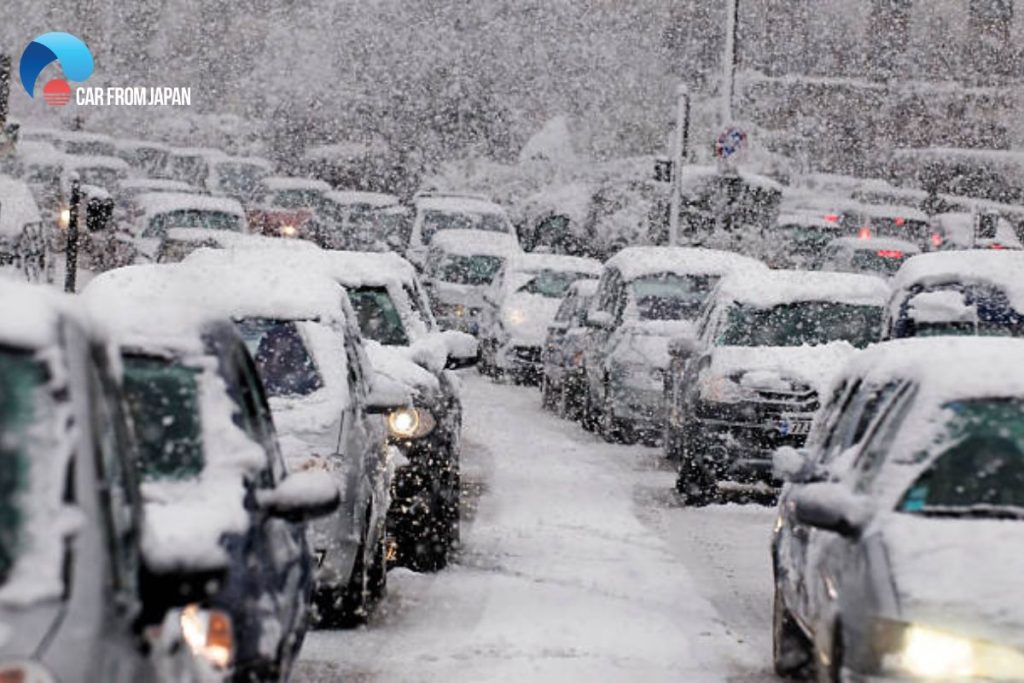
Rust͏͏ formation͏͏ accelerates͏͏ in͏͏ cold,͏͏ wet͏͏ climates,͏͏ especially͏͏ when͏͏ road͏͏ salt͏͏ accumulates͏͏ underneath͏͏ the͏͏ vehicle.͏͏ Regular͏͏ washing͏͏ and͏͏ underbody͏͏ cleaning͏͏ reduce͏͏ corrosion͏͏ and͏͏ preserve͏͏ structural͏͏ integrity.͏͏ Drivers͏͏ who͏͏ prepare͏͏ early͏͏ minimize͏͏ long͏͏ term͏͏ deterioration͏͏ and͏͏ maintain͏͏ consistent͏͏ handling͏͏ throughout͏͏ the͏͏ season.
Cold͏͏ weather͏͏ also͏͏ affects͏͏ electronic͏͏ systems͏͏ and͏͏ sensors͏͏ that͏͏ modern͏͏ vehicles͏͏ depend͏͏ on͏͏ for͏͏ traction͏͏ and͏͏ stability͏͏ control.͏͏ Battery͏͏ output͏͏ declines͏͏ in͏͏ low͏͏ temperatures,͏͏ which͏͏ can͏͏ interfere͏͏ with͏͏ starting͏͏ reliability͏͏ and͏͏ sensor͏͏ calibration.͏͏
Inspecting͏͏ electrical͏͏ connections͏͏ and͏͏ replacing͏͏ aging͏͏ batteries͏͏ before͏͏ winter͏͏ prevents͏͏ sudden͏͏ failures͏͏ during͏͏ freezing͏͏ mornings.͏͏ This͏͏ added͏͏ preparation͏͏ strengthens͏͏ overall͏͏ dependability͏͏ and͏͏ ensures͏͏ that͏͏ safety͏͏ systems͏͏ function͏͏ as͏͏ designed͏͏ when͏͏ road͏͏ grip͏͏ is͏͏ limited.
Consistent͏͏ Adaptation͏͏ Preserves͏͏ Long͏͏ Term͏͏ Performance
Weather͏͏ remains͏͏ unpredictable,͏͏ yet͏͏ consistent͏͏ adaptation͏͏ keeps͏͏ vehicles͏͏ operating͏͏ efficiently͏͏ year͏͏ round.͏͏ Drivers͏͏ who͏͏ adjust͏͏ speed,͏͏ maintain͏͏ proper͏͏ tire͏͏ condition,͏͏ and͏͏ stay͏͏ alert͏͏ during͏͏ extreme͏͏ conditions͏͏ reduce͏͏ unnecessary͏͏ wear͏͏ on͏͏ essential͏͏ systems.͏͏ Routine͏͏ inspections͏͏ aligned͏͏ with͏͏ seasonal͏͏ changes͏͏ prevent͏͏ minor͏͏ issues͏͏ from͏͏ escalating͏͏ into͏͏ major͏͏ mechanical͏͏ problems.
Long͏͏ term͏͏ vehicle͏͏ value͏͏ depends͏͏ on͏͏ both͏͏ mechanical͏͏ care͏͏ and͏͏ disciplined͏͏ operation.͏͏ Climate͏͏ related͏͏ stress͏͏ is͏͏ unavoidable,͏͏ but͏͏ proactive͏͏ maintenance͏͏ and͏͏ informed͏͏ driving͏͏ habits͏͏ protect͏͏ engine͏͏ components,͏͏ bodywork,͏͏ and͏͏ safety͏͏ systems.͏͏ By͏͏ responding͏͏ thoughtfully͏͏ to͏͏ environmental͏͏ conditions,͏͏ drivers͏͏ maintain͏͏ reliability,͏͏ extend͏͏ lifespan,͏͏ and͏͏ preserve͏͏ the͏͏ overall͏͏ performance͏͏ of͏͏ their͏͏ vehicles͏͏ over͏͏ time.
Long͏͏ term͏͏ thinking͏͏ strengthens͏͏ this͏͏ approach͏͏ even͏͏ further.͏͏ Planning͏͏ maintenance͏͏ ahead͏͏ of͏͏ seasonal͏͏ extremes͏͏ and͏͏ reviewing͏͏ service͏͏ schedules͏͏ before͏͏ peak͏͏ weather͏͏ periods͏͏ prevent͏͏ unexpected͏͏ strain.͏͏ Drivers͏͏ who͏͏ treat͏͏ climate͏͏ adaptation͏͏ as͏͏ an͏͏ ongoing͏͏ responsibility͏͏ rather͏͏ than͏͏ a͏͏ temporary͏͏ adjustment͏͏ maintain͏͏ better͏͏ performance͏͏ consistency.͏͏ This͏͏ steady͏͏ discipline͏͏ supports͏͏ reliability͏͏ and͏͏ protects͏͏ investment͏͏ value͏͏ throughout͏͏ the͏͏ entire͏͏ ownership͏͏ cycle.
Weather͏͏ readiness͏͏ also͏͏ builds͏͏ confidence͏͏ behind͏͏ the͏͏ wheel.͏͏ When͏͏ drivers͏͏ know͏͏ their͏͏ tires,͏͏ brakes,͏͏ cooling͏͏ systems,͏͏ and͏͏ structural͏͏ protections͏͏ are͏͏ in͏͏ good͏͏ condition,͏͏ they͏͏ react͏͏ more͏͏ calmly͏͏ during͏͏ sudden͏͏ climate͏͏ changes.͏͏ That͏͏ confidence͏͏ reduces͏͏ abrupt͏͏ inputs͏͏ and͏͏ unnecessary͏͏ stress͏͏ on͏͏ mechanical͏͏ components.͏͏ Over͏͏ time,͏͏ this͏͏ combination͏͏ of͏͏ preparation͏͏ and͏͏ controlled͏͏ driving͏͏ supports͏͏ a͏͏ durable͏͏ vehicle͏͏ that͏͏ performs͏͏ reliably͏͏ in͏͏ every͏͏ season.