


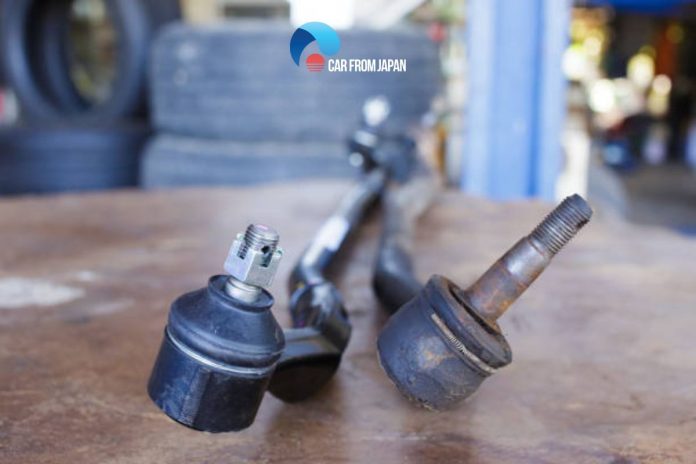
A vital part of the steering system, tie rods give direction to the front wheels. If the tie rods break for any reason, you may lose steering control, making it difficult to direct the car as desired. When driving with bad tie rods, things may go haywire, and sometimes not in your favor.
Read on to get an insight as to how a tie rod can affect your driving experience.
Contents
What the Tie Rod Does (The Basics)
Think of the tie rod as the direct connection between your steering wheel and your front wheels. When you turn the steering wheel, the tie rod takes that command and pushes or pulls the wheel to make the car turn.
Its job is simple: to give you precise control and keep your wheels perfectly aligned. If it gets worn out, it can’t do its job, and that’s when things get messy.
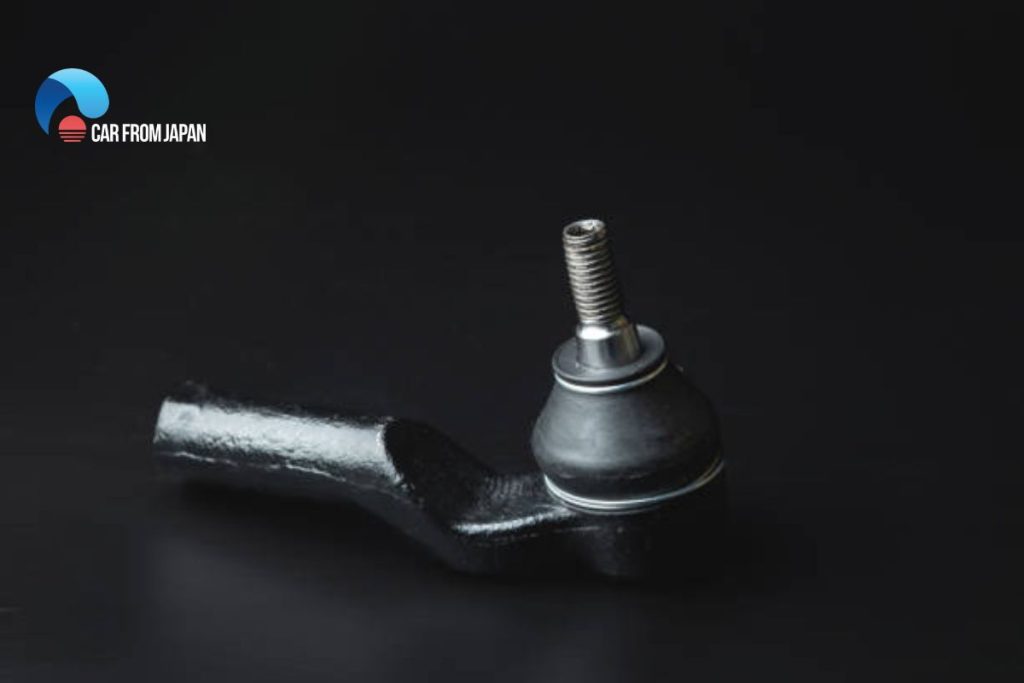
Driving With Bad Tire Rods– Looking Into The Adverse Effects
When driving with a broken tie rod, safety could be one thing you would compromise with. Let’s explore what the harms are if you leave repairing or replacement for later.
1. Wobbly front wheels
When you drive at low speeds, everything seems to be fine. But when you suddenly push on the accelerator, and the front wheels start vibrating, things could get messy. This could happen because of a bad or broken tie rod end.
Even a small bump could jolt your car when driving with a bad tie rod. Another side effect could be rattling noise that may not sound pleasant to the ears.
Send your car for thorough suspension system inspections as soon as you notice changes like vibrations or jolts.
2. Worn tires
The tires may become worn out with time. But sometimes, more than the time constraint, a bad tie rod could lead to wear of tires.
In case the tires seem to be unevenly worn, no need to worry as the tie rods could be functioning properly. But if the tires are extremely worn out both on the inside and the outside, bad tie rods could be the reason.
When driving with a broken tie rod, things may get wavy, which may put pressure on the tires’ quality as well. Look for certified mechanics and get your tie rods and front tires replaced for better stability.
3. Misaligned front tires
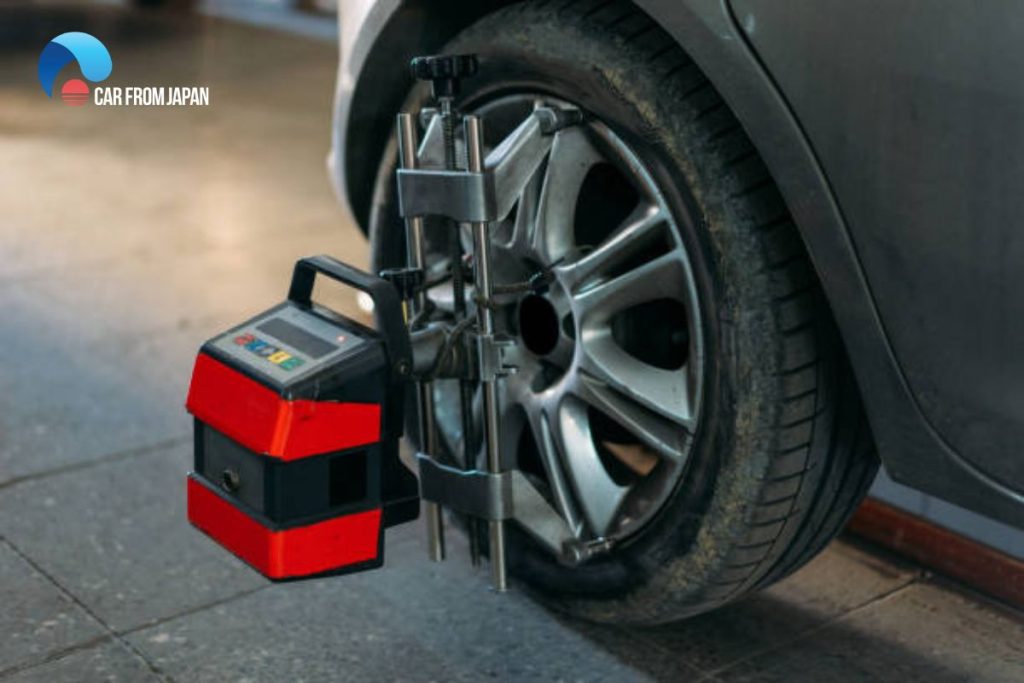
The issues with the suspension system, such as a worn-out tie rod, could lead to front wheel misalignment.
You may notice that while you move the steering to the left, the wheels do not seem to oblige. This could be due to misaligned wheels, or in simpler terms, the lousy tie rods.
When a tie rod loosens, the front wheels become prone to misalignment. Send your car in for an alignment, and you can refer to our maintenance tips for alignment suggestions.
4. Noises
Your car will start talking to you—and not in a good way. You might hear loud clunking, clicking, or knocking noises. These sounds are usually loudest when you are turning the wheel at low speeds (like pulling into a parking spot) or when you hit bumps. This noise is the worn-out tie rod joint moving around.
5. Unstable handling and wandering
At higher speeds, especially on the highway, a bad tie rod makes the car feel unstable. It might feel like the car is constantly “wandering” or drifting slightly to one side, even if the road is flat. You’ll feel like you are fighting the steering wheel just to hold your lane, which is exhausting and very unsafe.
FAQs on Driving With a Bad Tie Rod
What are the common signs of a bad tie rod?
Common signs of a bad tie rod include excessive play or looseness in the steering, uneven tire wear, a drifting sensation when driving in a straight line, vibrations in the steering wheel, and a knocking or clunking noise when turning.
How does a bad tie rod affect tire wear?
A bad tie rod can cause uneven tire wear, typically manifesting as excessive wear on the inside or outside edges of the tires.
This occurs because the misalignment caused by a bad tie rod can make the tires point in different directions, leading to premature tire wear and reducing tire lifespan.
Can I replace a tie rod myself, or should I seek professional help?
Replacing a tie rod is a complex and safety-critical task. It’s recommended to have it done by a professional mechanic who has the necessary tools, expertise, and equipment to ensure proper installation and alignment.
Incorrectly installed tie rods can lead to further problems and safety hazards.
Can a bad tie rod affect other parts of the vehicle?
A bad tie rod can affect other parts of the vehicle. When a tie rod is compromised, it can lead to misalignment issues in the front wheels.
This misalignment can, in turn, cause accelerated wear on other steering and suspension components, such as the tires, wheel bearings, and even the steering rack or gearbox.
Addressing a bad tie rod promptly can help prevent additional damage to these components.
Check out this video from ChrisFix to learn more about how to tell if your inner and outer tie rods are good or bad on your car or truck!
Conclusion
You should know that your safety is entirely in your hands. When driving with a bad tie rod, things could fall out of your hands. Ignoring would not help you anyway. Fix the problem while you have time and ensure precise twists and turns on your next drive.