


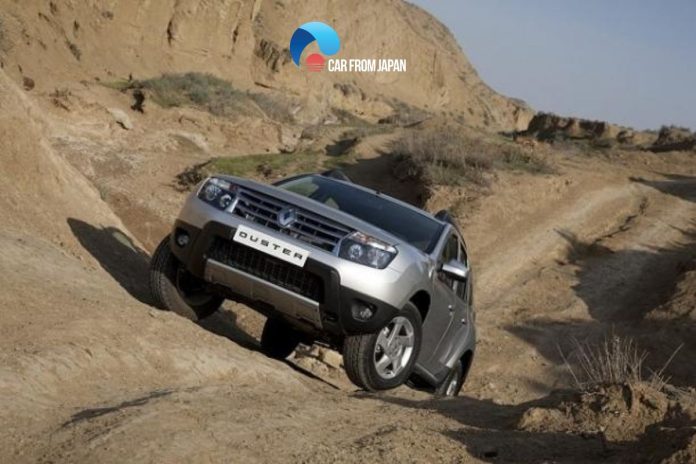
It’s a tough job to drive manual car uphill without rolling back. Driving your car up a hill is a hard skill to master. Even the experienced drivers face one or two hiccups sometimes.
Gravity works against you when you are on a hill. However, you can prevent the rolling by applying the right tricks and with some practice.
Contents
- How to Drive Manual Car Uphill without Rolling Back?
- Some Notes When Driving Uphill With A Manual Car
- What To Do If There’s No Handbrake?
- FAQs on Drive Manual Car Uphill without Rolling Back
- Why does my car roll back even though I’m giving it enough gas?
- Why do some manual cars hold better uphill than others?
- Can hill-start assist make you worse at driving manual uphill?
- Why does my car stall uphill even when I don’t stall on flat ground?
- Why do my uphill starts vary depending on how many passengers I have?
- Why does my car jerk or hop when starting uphill?
- Does using the heel-and-toe technique help prevent rollback?
How to Drive Manual Car Uphill without Rolling Back?
There’s a reason why your car rolls backward when you try to drive it up the hill from a stop. It happens when you release the handbrake before finding the bite point.
Many people wrongly assume that the gas pedal is the only component that moves a vehicle up the hill.
In fact, it’s a joint venture of the gas pedal and the clutch. You have to set the pedal somewhere between 2,000 and 3,000 revs and find a bite point to drive manual car uphill without rolling back.
Driving a car uphill with a manual transmission can make new drivers anxious. As we all know, driving a car with a manual transmission will sometimes be a little complicated compared to an automatic transmission.
A manual transmission car is a vehicle that requires the driver to operate a combination of both hands and feet, requiring high concentration. Therefore, drivers need to hone their driving skills safely uphill to avoid situations like stalls or rollbacks.
The skill of driving uphill with a manual transmission requires the driver to master the manipulations of holding the brake and clutch pedals and then entering first gear for the vehicle.
Now, let’s see the ways of preventing rolling with a manual transmission:
Stop completely
Imagine a situation when you are driving your car up a hill and has to stop at a traffic light just before the intersection at the top of the incline. You have to stop and you have to stop completely by using the handbrake or the brake pedal.
Using the handbrake will give the edge of freeing up the right foot and use it again on the pedal at the time of starting the car again.
Shift the gear
When the light turns green, shift into the first gear. Start pressing on the accelerator pedal at the same time but don’t release the handbrake. Keep the pressure until the engine revs at nearly 3,000 RPM.
Release the clutch
You have to do it slowly so that you can detect when it starts to bite. It’s easy to spot since the nose of the car dips a bit and the engine note declines slightly. It happens because the clutch takes on the vehicle’s weight.
Let go of the handbrake
This is the time to release the handbrake slowly as you continuously release the clutch and press the accelerator. The vehicle will move forward when the handbrake disengages.
Disengage the clutch
When the engine sound starts to fade, release the clutch at a slow rate and apply more and more throttle simultaneously. It will set your car up the hill at the full force without rolling backward.
Some Notes When Driving Uphill With A Manual Car
Use the handbrake
When starting from a standstill on an uphill slope, engage the handbrake to prevent the car from rolling back. Release the clutch pedal slowly while applying some gas, and then release the handbrake.
Use the right gear
Selecting the right gear is crucial when driving uphill. Use a lower gear than you would on a flat road to give the car more power and torque. This will prevent the car from stalling or rolling back.
Use the accelerator pedal
Applying the right amount of gas is essential when driving uphill. Too little, and the car may stall; too much, and the wheels may spin. Use the accelerator pedal to maintain a steady speed while climbing the slope.
Watch the road ahead
When driving uphill, keep an eye out for obstacles such as potholes, rocks, and other hazards that could damage your car or cause an accident. Adjust your speed and gear accordingly.
Keep a safe distance
Maintain a safe distance from the car in front of you when driving uphill. This will give you enough time to react if the car suddenly stops or slows down.
Stay calm
Driving uphill can be stressful, but it’s essential to stay calm and focused. Keep your eyes on the road, use your mirrors, and be aware of your surroundings.
Remember, practice makes perfect, so don’t be afraid to take on challenging roads to improve your driving skills.
What To Do If There’s No Handbrake?
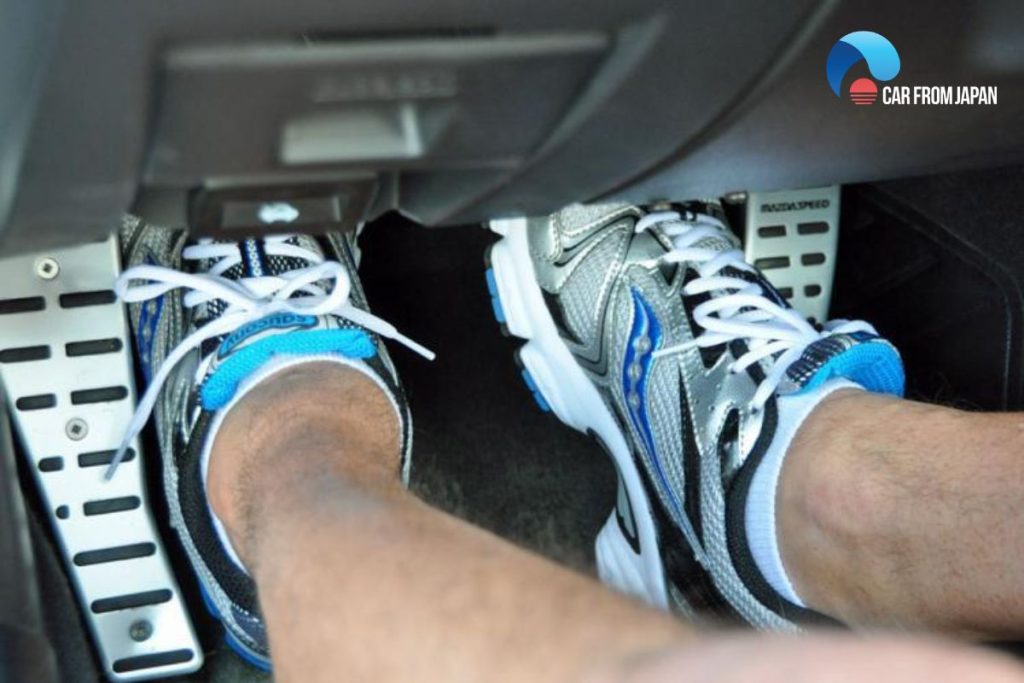
If the handbrake is dead, hold the brake pedal by using the heel of the right foot. It will let you use the toes to keep pressing the accelerator.
You will have to slowly set the pedal loose, just like you would have to release the handbrake at the time of disengaging the clutch.
The safer option to drive manual car uphill without rolling back is to use the handbrake. Without it, it’s difficult to juggle between three pedals with two legs.
Pressing the wrong pedal or missing one at any point may cause an accident.
FAQs on Drive Manual Car Uphill without Rolling Back
Why does my car roll back even though I’m giving it enough gas?
Often it’s not lack of throttle, it’s releasing the clutch too quickly before torque fully transfers.
Uphill starts require a slower clutch release and a slightly higher bite point.
Why do some manual cars hold better uphill than others?
Different clutch types, engine torque at low RPM, gear ratios, and even throttle mapping affect how easily a manual car handles uphill starts.
Can hill-start assist make you worse at driving manual uphill?
It can. Over-reliance reduces your sensitivity to clutch engagement, making it harder to start smoothly in cars without the feature.
Why does my car stall uphill even when I don’t stall on flat ground?
Because more torque is required to overcome gravity. The same clutch-gas balance on flat ground becomes insufficient on an incline.
Why do my uphill starts vary depending on how many passengers I have?
Extra weight means the engine needs more torque to overcome inertia and gravity, so you may need more throttle and slower clutch release.
Why does my car jerk or hop when starting uphill?
This jerking comes from mismatched timing: too much clutch release with too little throttle, causing the drivetrain to load and unload rapidly.
Does using the heel-and-toe technique help prevent rollback?
Yes. Some advanced drivers use heel on brake and toe on throttle to balance revs while holding the car, but it’s not recommended for beginners.
Watch the video from Paynos to learn how to master hills when driving a manual car!
Now you understand more on drive manual car uphill without rolling back. See you next time with more insightful Car driving tips!






The new cars without handbreak, but do have an electronic button for handbreak…are an amazing lot to do a hill start… would really love to know what to do..
Thank you for this, i was really behind,,,,, continue helping us with driving tips.
Thanks a lot for giving me tips on avoiding rolling back when driving in a such situation. This is my biggest problem before! now I am practicing it to avoid causing an accident.
Keep on giving us more technical concerning about driving will highly appreciated