


Some people see bigger cars as almost like a shortcut to safety, and it’s easy to see why.
If you sit surrounded by metal and you sit higher, the road is safer. You see this everywhere, from pitches you hear at the dealerships to advice from friends and family. More size equals more protection, right?
Unfortunately, crashes couldn’t care less about how confident you are. It’s more about other factors (e.g., physics, design, timing, decisions you make before the impact, etc.) – that’s what truly matters. A lot of what leads to serious injuries has nothing to do with how big a car is, which is what people often presume. In fact, some risks increase as cars get taller and heavier.
Most drivers never stop to consider that, but bigger cars change how you see the road and how quickly you react. Their size can also change who gets hurt (and how badly!) once a crash happens.
If your priority is to be safe, then you can’t rely on size alone.
Contents
Why Bigger Cars Just Feel Safer
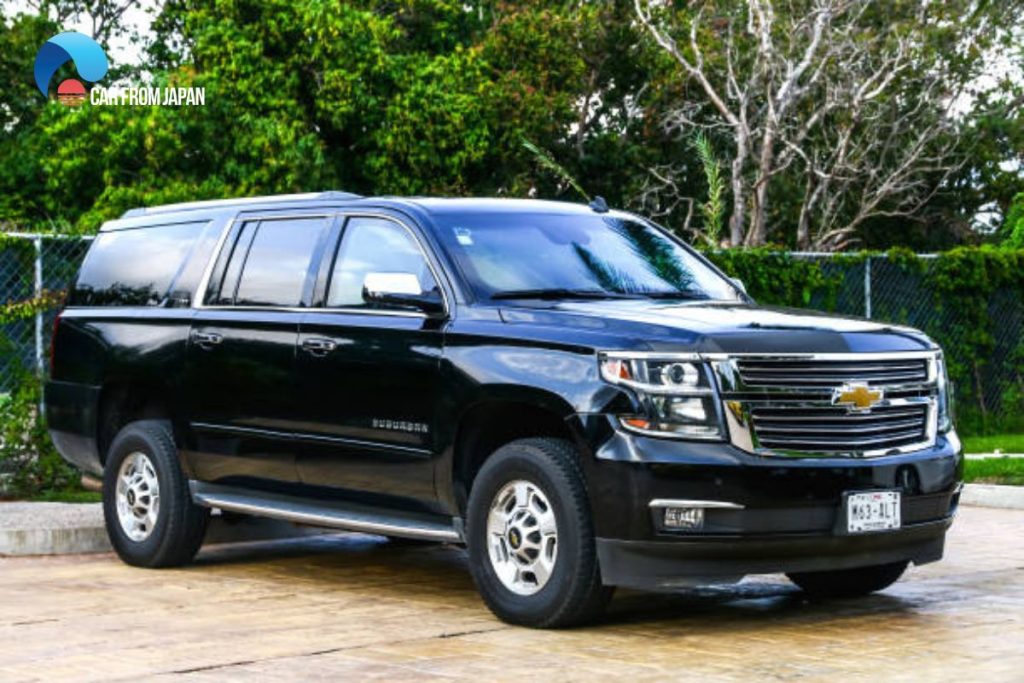
There’s a very basic reason why bigger cars feel safer, and that’s that you feel more protected when you sit in them.
You’re higher off the ground, and you have more space around you. When you look at the amount of material that’s between you and whatever might hit you, you see there’s a good deal of it there. All this makes you more comfortable before anything even happens.
When you sit higher, another thing changes – how you read the road. You look down at traffic instead of across it, so you feel like you have more control of it. You see farther ahead, and you feel like you can almost be ahead of the situation, while everyone else just reacts to it. That’s a pretty powerful feeling, although it’s not exactly accurate.
And you can’t forget about the influence from all around you.
Just look at all the ads and movies that are being shown in our faces all the time (e.g., social media, TV, etc.), everything shoves the same idea in your face – big cars protect people.
They’re the ‘smart and responsible’ choice. It starts to feel like something that’s obvious, but you need to remember that this is mostly emotional, not technical.
The biggest problem is that feeling safe and being safe aren’t the same thing.
Here’s what we mean by that:
If a crash is to happen, the size factor won’t cancel out injuries. So, even if you’re in a bigger car, you might still end up badly injured (requiring surgeries), which is often followed by recovery, missed work, plus you having to deal with lawyers, meaning you need to get comprehensive auto-injury claim assistance to even have a chance of winning your case.
What Makes a Car Safer (on the Road)
As we’ve already established, it’s not about size (we’re talking cars), it’s how it behaves.
Here are a couple of things that ACTUALLY make your car safer:
How the Collision Happened Matters
Cars are built the way they are for a specific reason.
Sure, you could make them tough as steel and be done with it. But if you’d hit a person with such a vehicle, it wouldn’t end well for the person. Because of this, cars are actually engineered in such a way that they will crumble ON PURPOSE. This helps absorb some of the energy created by the impact, which in turn isn’t transferred onto the victim. The victim could be a smaller car, or a person, etc.
When a tall car hits a lower one, those parts don’t necessarily line up, so the force ends up being pushed straight into the cabin instead of being absorbed.
In other words, the bigger car caused more damage but hasn’t protected its own driver any better just because of its size.
Safety Features That Prevent Crashes
A lot of safety today comes from avoiding crashes altogether. You see it in systems like automatic braking, lane warnings, etc. It’s all supposed to step in when you miss something or don’t react fast enough.
These features work regardless of the size of the car, and they’re more important than weight or height.
Weight, Handling, Stopping Power – What About Those?
A heavier vehicle needs more time and distance to stop, even with top-notch brakes. The extra weight also makes them harder to handle quickly, especially when it comes to sharp turns or sudden moves. Taller cars sit higher, which can also be problematic because there’s the risk of rolling over if you suddenly swerve.
You won’t notice things like these during normal drives, but if something goes wrong? You absolutely will.

Here’s a quick list of cars that are the best cars at:
- Crash avoidance (compact safety) → Toyota Corolla
- Crash avoidance (advanced driver assist) → Toyota Model Y
- Strong handling & stability → Mazda3
- Impact Management (crumple zones) → Honda Accord
- Rollover resistance → Subaru Outback
The 2025 Mazda3 is not only great at handling/stability, but it also has a 5-Star Overall Safety Rating (highest possible score) in the NHTSA’s crash tests.
Toyota Model Y also got a 5-Star Overall Safety Rating from NHTSA, but it also ranked 6th worldwide in terms of safest cars on the planet.
Conclusion
The entire point of it all is that size matters (in cars, of course). But size isn’t everything.
In fact, it isn’t the determining factor when it comes to what happens if there’s a collision. It’s more about how fast the car can stop and its handling. And lots of new cars have all these ‘smart’ features and driving assist modes that help you out A LOT if it comes to a sudden, dangerous situation.
Of course, no one is saying that bigger cars are a bad choice because they’re absolutely not.
But don’t forget – they aren’t magic shields. And you shouldn’t overestimate how safe they are.