


Running a car is tough on wallets, even when the prices of petrol and diesel are stable. Gassing up is expensive, and the burnt oil emits harmful ingredients that contribute to air pollution and global warming. So, saving fuel makes sense, both economically and environmentally. Let’s take a look at some practical ways to save fuel.
Contents
Fuel Saving Tips: 5 Ways to Save Fuel
Google “how to improve fuel economy,” and thousands of suggestions will pop up. Unfortunately, most of the methods are useless and have nothing to do with improving your car’s mileage. For example, you’ll get suggestions for filling up the tank in the morning or changing the air filter, which does not affect fuel efficiency.
If you want to increase your mpg (miles per gallon) and skip the myths, check out these five ways to save fuel:
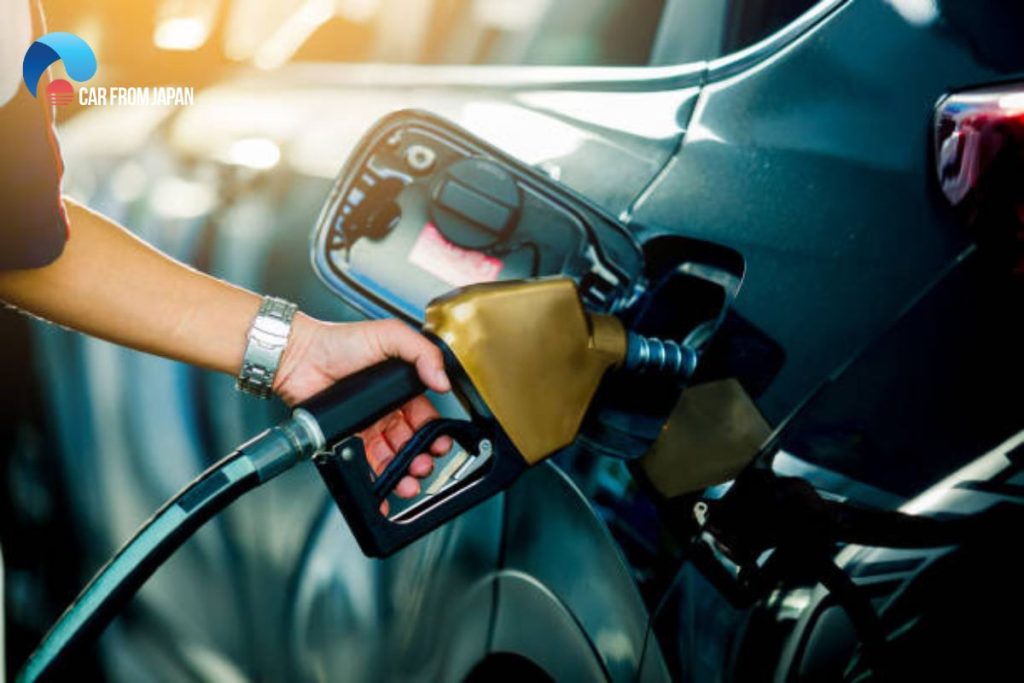
Drive Smart during Rush Hours
Getting stuck in a roadblock or traffic jam with your car is annoying because it is time-consuming and consumes more fuel. Every time you stop and start, you need to shift to the first gear and burn a significant amount of oil to move again. What you can do is to travel steadily at a slow speed without idling or pushing the brakes and accelerator frequently.
Don’t Idle
Most of us don’t turn off the engine when we wait at the railroad crossing or pull off the road to talk on the phone. It’s a mistake because restarting an engine doesn’t use more gas than idling for half a minute. So, just shut the motor off if you know that the idling period will be longer than 30 seconds.
Get Rid of Unnecessary Weight
It’s one of the easiest ways to save fuel. Many drivers have the habit of collecting items in their trunk, most of which they don’t even need. So, inspect the boot and throw out everything that is unnecessary. Remember that each 200lbs of extra weight cuts one mile off from your expected mpg.
Help the Vehicle to be Aerodynamic
Manufacturers put a lot of effort into keeping the shape of the auto’s aerodynamics so that they don’t face obstruction from the air moving past. When you drive the car on the highway (presumably at a higher speed than in town), the drag of the air is likely to be greater, leading to more fuel consumption. Reduce the drag by closing the windows and the sunroof. You can also stow away the roof rack or ski box when you’re not using them.
Keep the Tires Properly Inflated
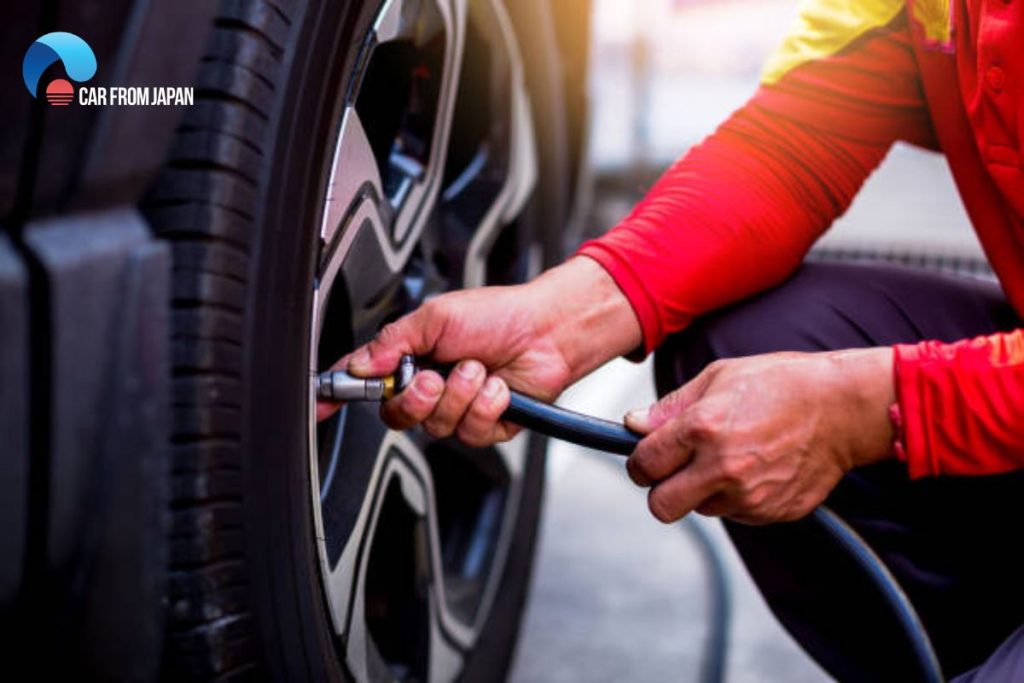
Keep the tires inflated at the level recommended by the vehicle’s manufacturer. The lower the pressure, the more gas the car will burn to move and run. In fact, if a tire is underinflated by 4-5 psi, it can reduce the tread life by 15% and fuel economy by 10% over the long run. So, check the tires regularly, possibly every fortnight, to ensure that they are not under- or overinflated.
Other Tips to Save More Fuel
- Maintain a Steady Speed
Driving at a constant speed helps reduce fuel consumption. If your car has cruise control, use it on highways to maintain efficiency.
- Avoid Aggressive Driving
Sudden acceleration, hard braking, and speeding can waste a lot of fuel. Smooth, calm driving can significantly improve fuel economy.
- Keep Your Car Well-Maintained
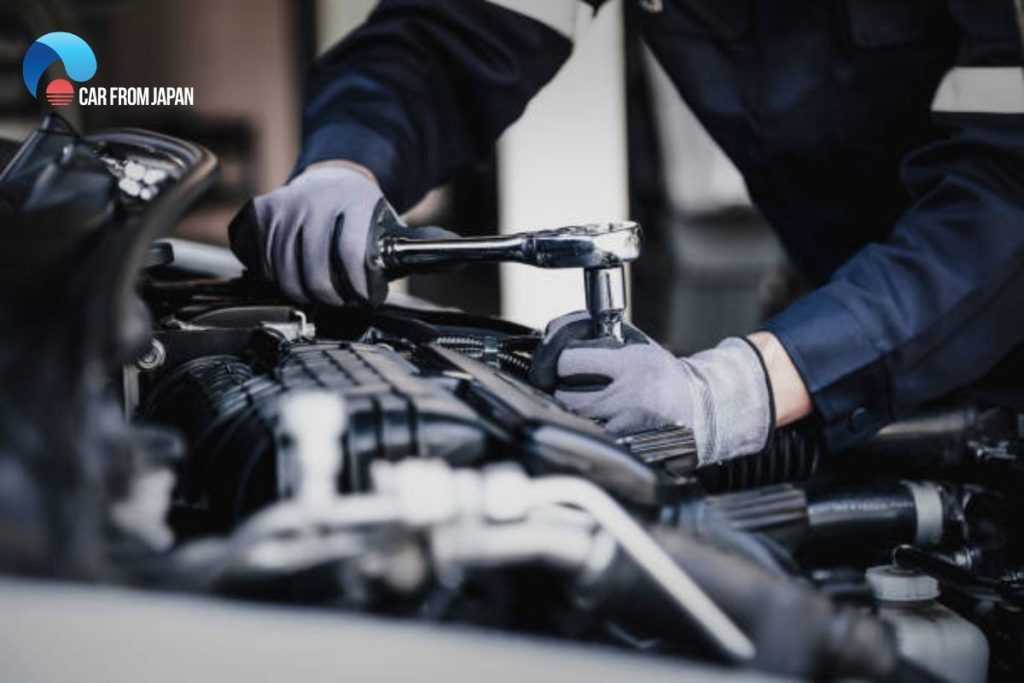
Regular maintenance is important. Changing engine oil, cleaning or replacing air filters, and checking spark plugs help your engine run efficiently. A well-maintained car uses less fuel and performs better.
Saving fuel doesn’t require complicated changes—just smarter driving habits and regular maintenance. By following these simple tips, you can reduce fuel costs, improve your car’s performance, and help protect the environment at the same time.