



We can hardly imagine life without cars. As much as we depend on them, we should realize that much harmony and symbiosis go into the car machinery to keep it going. Since the car mechanism works by converting one type of energy to another, heat is an evident result.
It is the radiator fan that keeps the radiator from heating itself up and wearing out. In fact, heat is also one of the biggest reasons for car engines to stop. However, there can be times when you face radiator fan problems.
The fan could simply stop working or work inefficiently. In fact, there are several such problems that you may experience. The great news is that they are easy to fix, and you need not spend a fortune on them.
Contents
How You Can be Certain about Radiator Fan Not Working
It is very easy to assume that your car’s radiator fan is defunct. But the only surest way to check it is by actually looking for the fan’s sound. All you have to do is lift the engine hood and listen closely for the sound of the fan. The best modern cars have very quiet engines and so, it may not be easy to figure out the sound while you are inside the car. Make sure that you don’t skip this check to ensure that the radiator fan is not working.
Now, let’s proceed to see what these 5 problems are:
5 Common Radiator Fan Problems
Here are 5 common problems that may be ailing your car’s radiator fan, making it defunct or inefficient:
1. A bad fuse
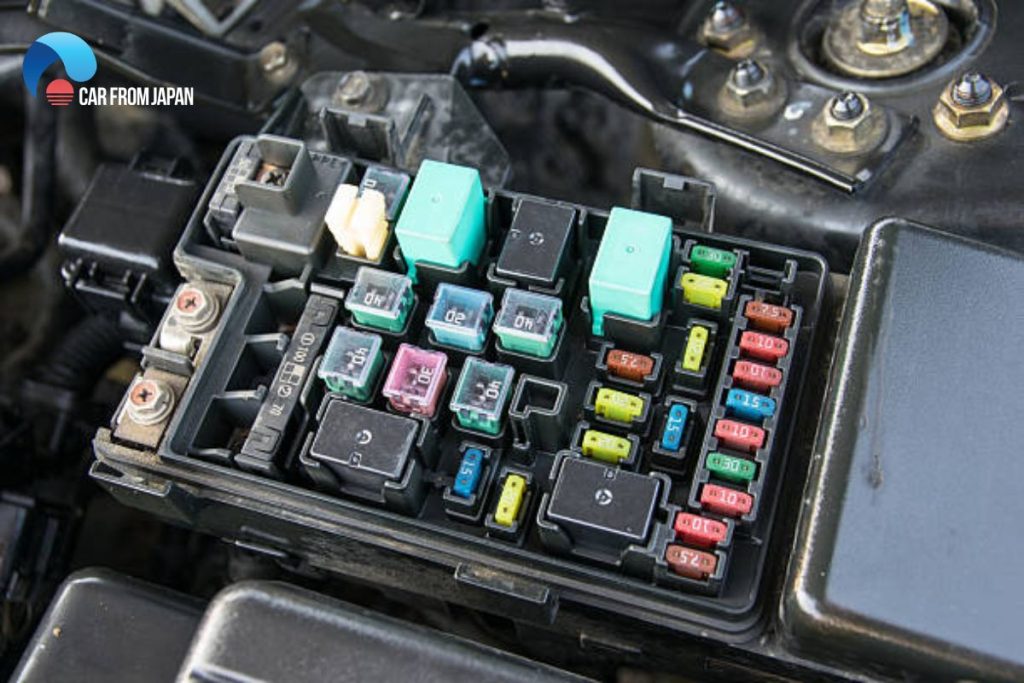
It is a very common problem that results in radiator fan failure. The fuse may burn off or simply fall off. You will, though, have to consult the owner’s manual to find out where exactly you can find the fuse, but once you have, it is an easy task. You will need to replace the fuse of the radiator fan in case it is not working or is absent.
Remember, if anything electrical in your car doesn’t work, your first checkpoint is the fuse.
2. Dead wires
If you see the engine heating but the radiator fan isn’t, the fan wires could be the culprit. Simply unplug both the wires, negative as well as positive. The standard direct current they must put out is 12V (approx.). Take a voltmeter and check for the presence of current. If there is none in either or both, you will need to replace it.
You will be able to locate the fan relay under the hood. Check for current from the relay till the fan. That is where the current needs to flow. If there is voltage present there, a fault in the fan is the reason for radiator fan not working. It is then the fan that you will need to replace.
3. Broke fan clutch
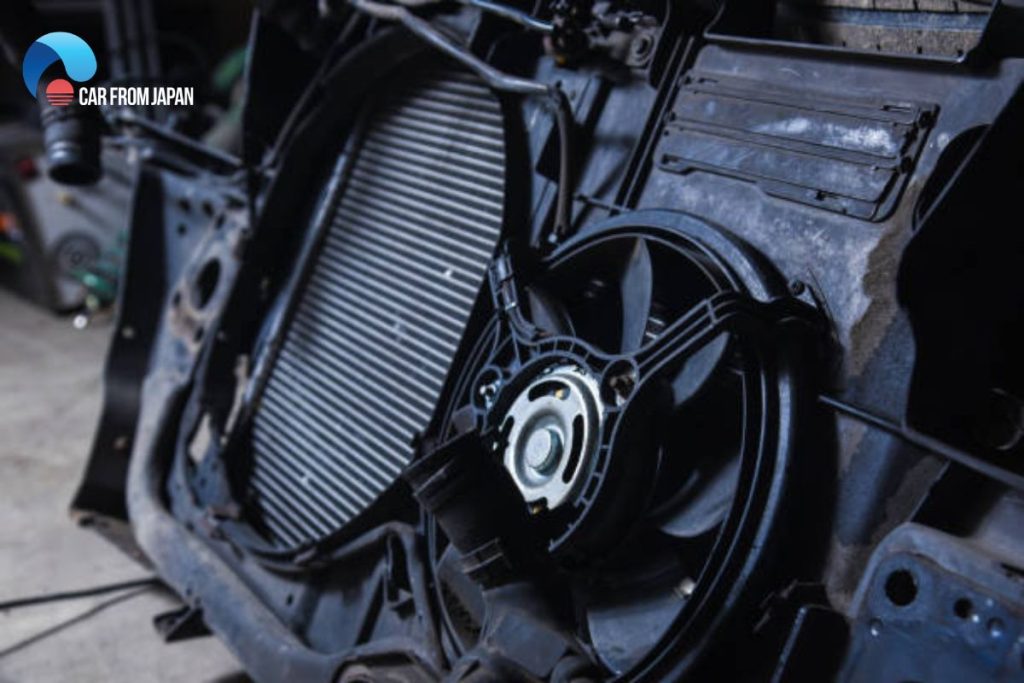
The fan clutch is responsible for attaching the radiator fan to the engine and making it work. If this clutch breaks, the fan won’t work. It is the usual wear and tear over the years that may cause the springs in the clutch to corrode or even burn out. If you cannot find any other radiator fan problems, the clutch is most likely the cause.
The detailed process of how to diagnose an overheating problem (Radiator Fan not working)
Watch more:
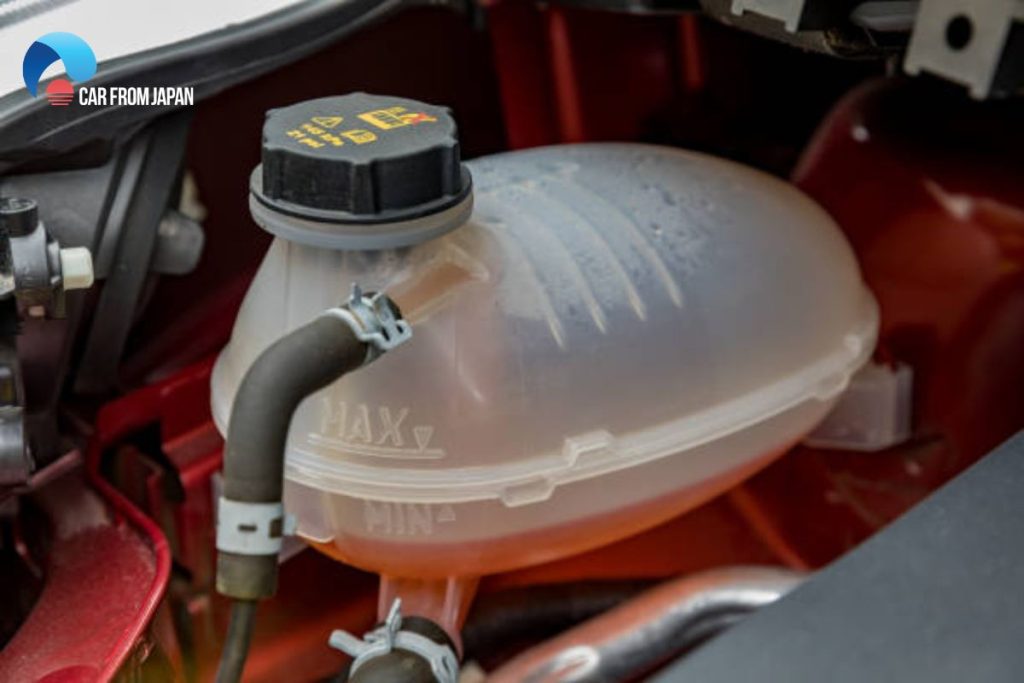
4. Inadequate coolant level
Inadequate coolant level in the engine can also cause fan failure. Simply look at the coolant reservoir and check if the level is up to the requisite maximum mark. If not, simply fill it up to the mark, and you’ll be good to go.
This is, in fact, one of the handiest maintenance tips that helps you keep the engine as well as the cooling/heating system in great shape.
5. Defunct temperature sensor
A temperature sensor is the mechanism that decides when the radiator fan must kick into action. It does so by reading the temperature of the cooling system. In case this sensor is out of order, the fan won’t be able to start working. You are likely to find this sensor in the thermostat cover. You can try disconnecting the wires from the sensor and reconnecting them; odds are that it’ll work. If not, you will have to have it replaced.
Final Thoughts
In conclusion, radiator fan problems may look serious, but most of them are actually easy to find and fix. Whether it’s a blown fuse, damaged wires, low coolant, or a faulty sensor, these issues don’t usually require complicated repairs if you catch them early. By doing simple checks and regular maintenance, you can keep your radiator fan working properly and avoid bigger engine problems. Taking a little time to look after your car’s cooling system will help your engine run smoothly and last much longer.






Wonderful one thanks very much
Its has been very helpful to me…..
Thanks a lot for the insight.
Very helpful, thank you!
Hi,
I own a 2002 vitz model car. My vehicle overheats after a very short distance. I have noticed that the fan is not automatically coming on when the temperature reaches 100 but when I disconnect the sensor switch (meaning using direct ) it comes on. I have changed the sensors several time but not success. They only work for a few days then I get back to the same problem. When I travel with it for long distance I have to make many stops to let the engine cool off and most of the time it still overheats even when I do connect it direct. What could be the issue, please advise?