



If the engine is the heart of your car, then the ECU (Engine Control Unit) or PCM (Powertrain Control Module) is definitely the brain. This hidden computer is the reason your car starts, runs smoothly, gets good mileage, and controls nearly everything. But how does this “car brain box” actually work? We’ll explain simply how this crucial computer takes data from sensors and makes split-second decisions to keep your car operating perfectly.
Contents
A Comprehensive Definition of Car Brain Box
The brain box of a car is an electronic system that controls the engine and transmission manifold. Manufacturers attach this equipment to make the car fuel-efficient and easy to handle. All motor vehicles have multiple sensors in various parts.
Through elaborate electric circuits, these sensors feed real-time data to the engine brain box. After analyzing these data, the brain box decides the changes that will benefit the car. Then the performance modification signal reaches the auto parts from the brain box. These immediate corrections improve the following:
- Automatic gear shifting for fully automatic cars
- Engine running, temperature sensing, and control
- High-performance cooling by the radiator
- Securing the central car lock system
- Efficient handling and operation of the ignition system
- Moderate maintenance of the electrical source, the battery
- Highly tuned transmission system for superior handling
- Constant cruise control to comply with traffic laws
- Keeping an eye on the collision avoidance system to stay out of accidents
- Effective fuel injection to deliver more miles per gallon
- Emission control to save the environment
- Auto adjustment of car AC system for comfortable driving
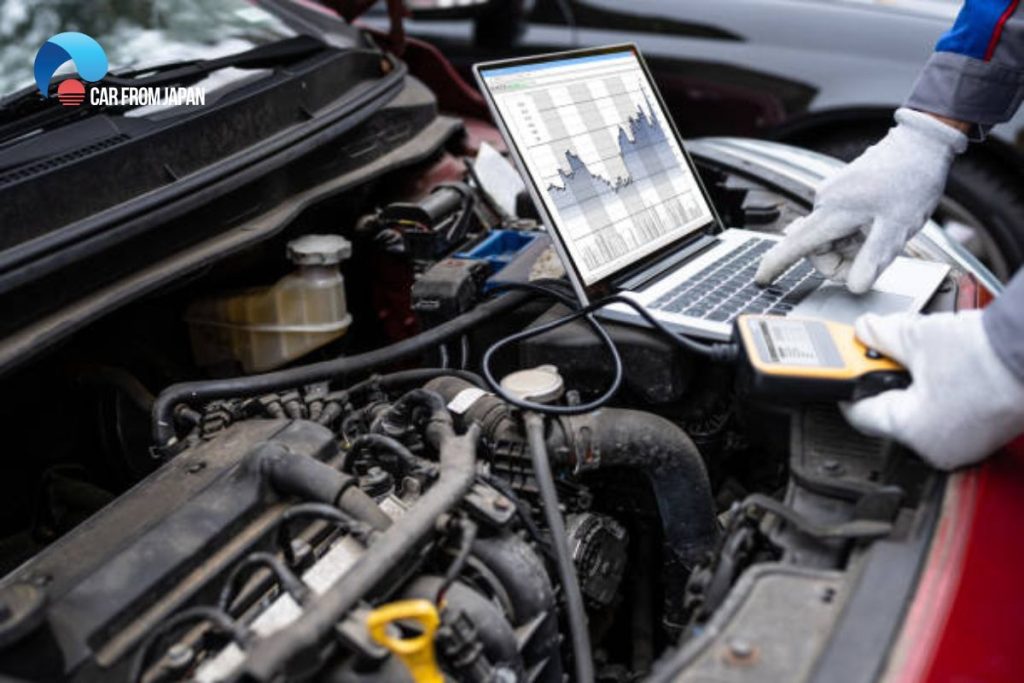
The Location and Functions of the Brain Box
The car brain box is a delicate part and is kept in a secure place. Manufacturers place it in a way that makes frequent modifications impossible. It keeps the device in good shape.
Here are some places where it could be available in the car:
- Behind the instrument panel
- Near the car firewall
- Close to the climate control system
- Hidden behind the seats
- Close to the engine but hidden
Without a functioning brain box, the car will not move an inch. Hence, the brain box mechanism is sophisticated and functions all the time. It avoids any unexpected downtimes of the vehicle.
An electrical circuitry interfaces the brain box with all the car sensors. The brain box gets electricity from the car battery. It is a high-tech computer that comes with programs or codes. These programs run on their own and make the brain box oversee the car’s performance. Brainbox could be one or multiple computers, such as:
- Powertrain control module (PCM)
- Transmission Control Module (TCM)
- Brake Control Module (BCM or EBCM)
- Engine control module (ECM)
- Central Control Module (CCM)
What Does ECU Stand for In a Car?
The ECU meaning is engine control unit (ECU), is also widely known as the engine control module (ECM). It operates some actuators inside the engine to deliver optimum performance. Precise instructions come from the brain box. In older cars, alteration of actuators depends on pneumatic or hydraulic mechanisms.
In high-tech cars, the ECU is the platform that controls many electrical systems and subsystems. Manufacturers design unique ECUs for each vehicle they make. For this reason, every ECU differs from one another.
The first use of the ECU took place in 1980 when it was used to control only the fuel injection. Its main use was making cars more economical and causing less environmental pollution.
Mechanism of ECU
The ECU works by following a pre-planned workflow. First, it gathers real-time data from all sensors. Then, it interprets data and makes corrective decisions. During this, a lookup table helps in decision-making. Finally, the ECU instructs the engine to implement changes. This cyclic process delivers improved engine functioning.
This device controls a series of parts in a vehicle, which are:
- The ignition and fuel injection
- The cooling system of the car
- Data from the intake manifold
- The car exhaust
- Camshaft rotation angle
- The necessary amount of throttling
- Wastegate pressure of the turbocharger
What Does PCM Stand for In Cars?
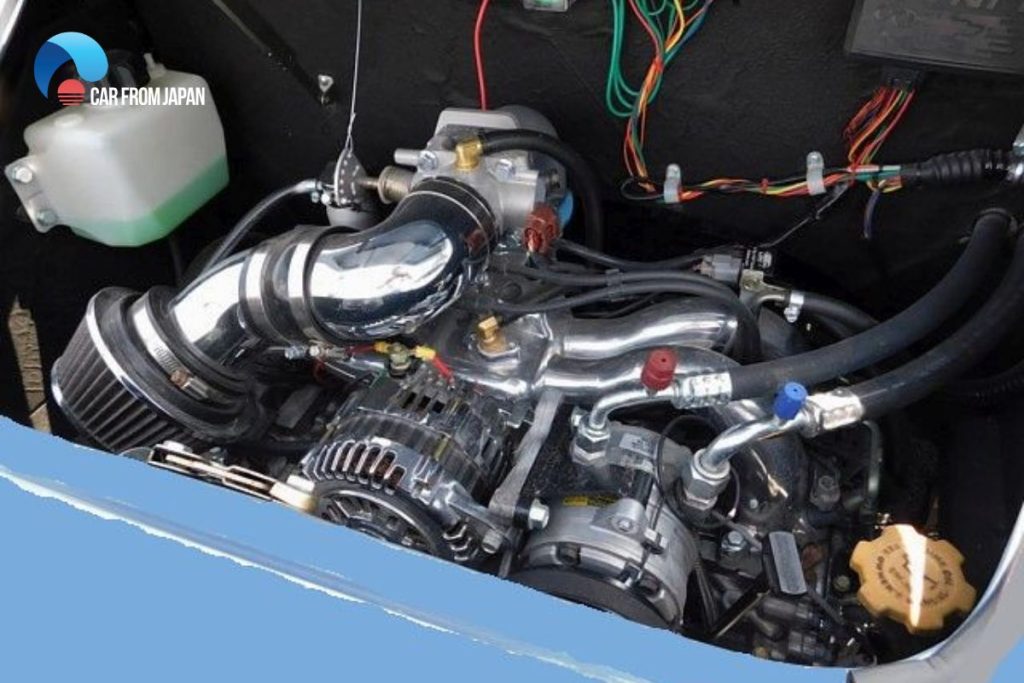
The PCM meaning is the powertrain control module, which in conjunction with the ECU forms a brain box. It interprets and combines data from the ECU and transmission control unit (TCU). Some manufacturers make the PCM the master computer that can make all decisions about a vehicle’s performance.
The PCM’s work example could be the automatic gear shifting. A PCM in a car reduces the throttle, engages the clutch, and does gear shifting, making the process easier for the driver. Initially, it was a control unit for lockup torque converters and carburetors.
This device monitors several sensors, like:
- Engine temperature
- Fluid levels of hydraulics
- The oil level of the engine
- Air intake by the turbo manifold
- Camshaft angle
- Spark plug firing frequency
Conclusion
The ECU (or PCM) might be hidden from view, but it truly is the unseen conductor of your vehicle’s performance.
It’s far more than just a computer; it’s the intelligent system that allows your car to adapt and perform optimally in countless conditions. By constantly gathering information and adjusting vital functions like fuel injection and timing, this “brain box” is what transforms a collection of mechanical parts into a smooth, efficient, and powerful machine. Next time you drive, remember the complex yet essential work this little box is doing!