


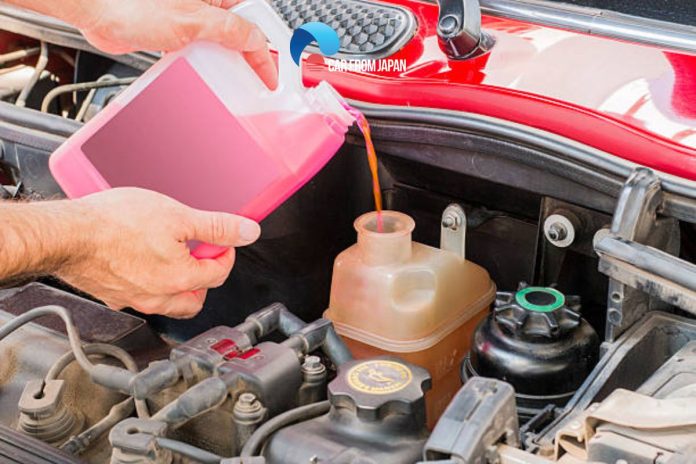
Most drivers wait for a strange noise before worrying about their transmission. But your car gives you a much earlier warning sign, and it’s right there on the dipstick. It all comes down to color. New fluid should look like a clear red punch, but if it shifts toward a dark, muddy shade, you’re looking at trouble. Ready to know what transmission fluid color to look for?
Contents
- What Does Transmission Fluid Look Like?
- How To Read The Transmission Fluid Color
- How To Check The Color Of Transmission Fluid
- When To Change The Transmission Fluid?
- FAQs
- Can I change the transmission fluid color by simply adding new fluid?
- Can a milky or foamy transmission fluid color be a problem?
- Can I use any type of transmission fluid in my vehicle, or does it need to match the original fluid color?
- Can I use any type of transmission fluid in my vehicle, or does it need to match the original fluid color?
- Is it normal for the transmission fluid to darken over time?
- Final Thoughts
What Does Transmission Fluid Look Like?
What color is transmission fluid? When do you know that the liquid is in good condition and does not need to be changed?
Well, the normal transmission fluid color is—Red. Clean fluid is either dark red or semi-transparent. There could be blue or yellow transmission fluid, too. It is actually dyed to make it look different from other car fluids.
The color turns gradually darker over time, indicating the presence of contaminants and dirt. The transmission’s performance will be poor when the sludge amount crosses the normal level because the filter cannot function properly.
How To Read The Transmission Fluid Color
The fluid has to be in good condition to ensure a long life for the transmission. So, it’s necessary to learn which color indicates what problems and how to solve them.
Below is a transmission fluid color chart explaining the different stages the fluid may go through:
Translucent (Light Brown)

The fluid is still in good condition and there is nothing to worry about. Just maintain the regular maintenance schedule and watch out for any leak. If you can take good care, the transmission is likely to survive until the vehicle’s lifespan.
All you should do is to examine the fluid at regular intervals and follow the manufacturer’s servicing schedule.
Opaque (Dark Brown)
The color indicates that the fluid is dirty and probably contaminated. At this condition, it cannot provide the transmission with enough lubrication.
As a result, the internal components wear out quickly and get damaged. Lack of lubrication also causes heat buildup, leading to untimely transmission failure.
Ignoring this condition for long can eventually lead to the failure of the transmission. A complete transmission flush or changing the filter and fluid will be the correct ways to solve these issues.
Black Or Intense Dark Brown
Black transmission fluid means you need to change it immediately. The color indicates contamination and possible oxidation. You can be sure of the oxidized condition if there is a burnt odor.
When the transmission fluid color reaches this stage, it means that some internal parts might have already been damaged. You should immediately change the filter and fluid or do a complete flushing.
Given the condition, you may need to rebuild the transmission, which is quite an expensive repair.
Light Pink
Pink is a sweet, bubbly color, but it’s an ominous sign when transmission fluid turns pink. The color means that there is coolant or water mixed up with the fluid, and it gets to the transmission tank from the radiator through a leaked or damaged cooler line.
Cooler in the transmission fluid will lead to transmission failure. The repair is costly because you have to rebuild or replace it.

How To Check The Color Of Transmission Fluid
Contaminated fluid could be a reason for various transmission problems. If the transmission is grinding, slipping, or jumping at the time or acceleration or shaking at any speed, you should check the fluid.
But, how to do that? Well, follow these instructions:
- The fluid tank is under the hood. So, the first thing to do is to open the hood and locate the transmission dipstick.
- Pull the dipstick out and check the color of the fluid.
Sometimes, it’s hard to discern fluid color just by looking at the dipstick. To get the correct color reading, pour a few drops on a clean white piece of cloth or paper towel.
Does it match any of the shades mentioned above? Depending on the color, take action accordingly.
When To Change The Transmission Fluid?
Changing the fluid at the intervals recommended in the owner’s manual will keep the transmission in good health. The general rule is changing it every two years or every 30,000–50,000 miles, which one comes first?
Heavy-duty vehicles may need more frequent servicing because the transmission generates much heat due to hauling cargo.
Overall, you should change it depending on the transmission fluid color. Change it whenever it transforms into dark brown, and don’t wait to turn it black.
FAQs
Can I change the transmission fluid color by simply adding new fluid?
Adding new transmission fluid can improve the color if the old fluid was dirty, but it won’t fix underlying transmission problems. If there are issues with your transmission, they need to be addressed by a professional.
Can a milky or foamy transmission fluid color be a problem?
Milky or foamy transmission fluid can be a sign of water or coolant contamination. This could lead to serious transmission damage and should be addressed promptly.
Can I use any type of transmission fluid in my vehicle, or does it need to match the original fluid color?
Milky or foamy transmission fluid can be a sign of water or coolant contamination. This could lead to serious transmission damage and should be addressed promptly.
Can I use any type of transmission fluid in my vehicle, or does it need to match the original fluid color?
It’s important to use the type of transmission fluid specified in your vehicle’s owner’s manual. The color of the fluid can vary between manufacturers, so match the type rather than the color.
Is it normal for the transmission fluid to darken over time?
Over time, transmission fluid can darken due to normal wear and tear. However, a gradual change in color is usually acceptable. It’s sudden or drastic color changes that may indicate a problem.
Check out this video from ChrisFix to learn more about changing your automatic transmission fluid!
Final Thoughts
You now hold a crucial skill: the ability to read the color code of your transmission fluid.
Remember, the fluid is the lifeblood of your gearbox. Healthy, clear red fluid means things are operating smoothly. But if you see dark, murky, or even bubbly fluid, that’s your cue to take action fast. By regularly checking the dipstick and identifying these shades early, you can prevent minor contamination from turning into a costly, transmission-ruining breakdown. Keep that fluid clean, and your gears will thank you with thousands of smooth shifts!