


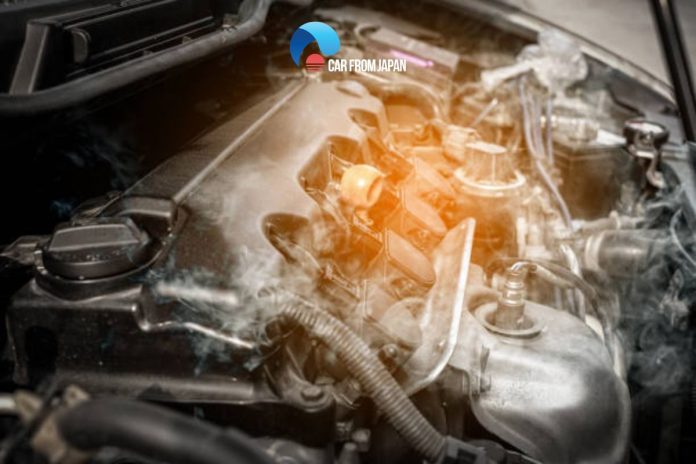
Engine misfire symptoms often start small—maybe a slight hesitation at idle or a little less power when you accelerate. But they almost always grow into a major problem if left alone. Your car is literally telling you it’s sick! This guide will make you an expert at spotting the early symptoms of a misfire and guide you straight to the most common causes, whether the issue is related to fuel, spark, or compression.
Contents
Most Common Engine Misfire Symptoms
We’ll show you the clearest signs of a misfire and break down the top reasons it happens:
Loss of power
There may be a palpable loss of power resulting from a vehicle that may be running on fewer cylinders than normal. Another symptom is a brief hesitation in the delivery of power when you press the gas pedal.
Engine noises
One of the most common engine misfire symptoms is a very noticeable sound that comes from your engine. If you’re familiar with regular automobile sounds, you’ll notice when an abnormal sound happens.
During a misfire, the engine will make a sudden sound that can be described as popping, sneezing, or backfiring.
Backfiring occurs when unburned fuel exits the cylinder on the exhaust stroke, is then ignited farther in the system by the spark of the next cylinder, and explodes out of the exhaust system loudly.
Otherwise, you may notice an overall change in engine sound if one cylinder is not working at all, since a four-cylinder car will now only have three working cylinders.

Unusual smell
Damaged cylinder walls can sometimes cause fluids to leak, which leads to a smell of predominantly gas with oil or coolant undertones.
The smell of burnt coolant will be a little “sweet”. This one is harder to pin down as different kinds of misfires can result in different leaks, which lead to different smells.
Unusual exhaust
When the engine misfiring causes the fuel to not burn properly or not mix properly, you will notice excessive exhaust fumes.
This may also happen when you have leaks causing compression issues that result in coolant or oil getting mixed into the combustion reaction.
Anything in the combustion chamber that is not air or gasoline will affect the vehicle’s ability to burn the mixture as intended.
Your exhaust could be unusually thick or sometimes tinged blue if there’s burning oil during combustion. Dark, sooty exhaust could indicate a rich air-fuel mixture or carbon buildup.
Engine stalling
Misfires can sometimes cause difficulty starting the vehicle or stalling of the engine when stopped. Stalling happens most often at idle but possibly even while driving, which would be especially dangerous.
Engine stalling is even more likely when you’re stressing the engine with a high accessory load, such as when you’re waiting at a stoplight with the air conditioner, headlights, and radio on.
Rough ride
Cars now come with shock absorbers and other technologies meant to minimize the feel of bumps in the road or the growl in the engine. One of the common engine misfire symptoms, even when only one cylinder is misfiring, is a noticeably shaky ride.
Excessive vibration while the vehicle is running is common, especially if the misfire is caused by a mechanical problem. The severity varies depending on the RPM and is often worse at idle.
Rough acceleration
If your car jerks during acceleration but not when idling, you’re likely dealing with an engine misfire. Acceleration puts stress on the engine, and a misfiring engine will struggle to perform that task since it is not operating at optimal conditions.
Poor acceleration
You can experience both rough acceleration and poor acceleration at the same time with an engine misfire.
When the air and fuel ratio deviates as a result of something like a faulty O2 sensor, the mixture may be too fuel-rich or lean. In some models, this will trigger something called “limp mode.”
It’s a safety feature to get you safely off the road when something is wrong with the engine, and this will drastically limit acceleration. A car going into limp mode is also a common symptom of engine surging.
Check engine light
It’s a rather vague indicator of what’s wrong; however, notice that the Check Engine light will go on and off as your engine misfires. It’s one of the few engine problems that will do this, as others usually cause the light to turn on and stay on.
What Causes A Misfire In Cars?
What causes a car to misfire? An engine depends on three things to fire the cylinder: an adequate amount of fuel, oxygen to burn the fuel, and a spark for ignition. The inadequacy or absence of any of these elements will cause an engine misfire.
Some other possible reasons could be vacuum leaks, incorrect ignition timing, and worn out valve spring. Let’s discuss some engine misfire symptoms and their causes!
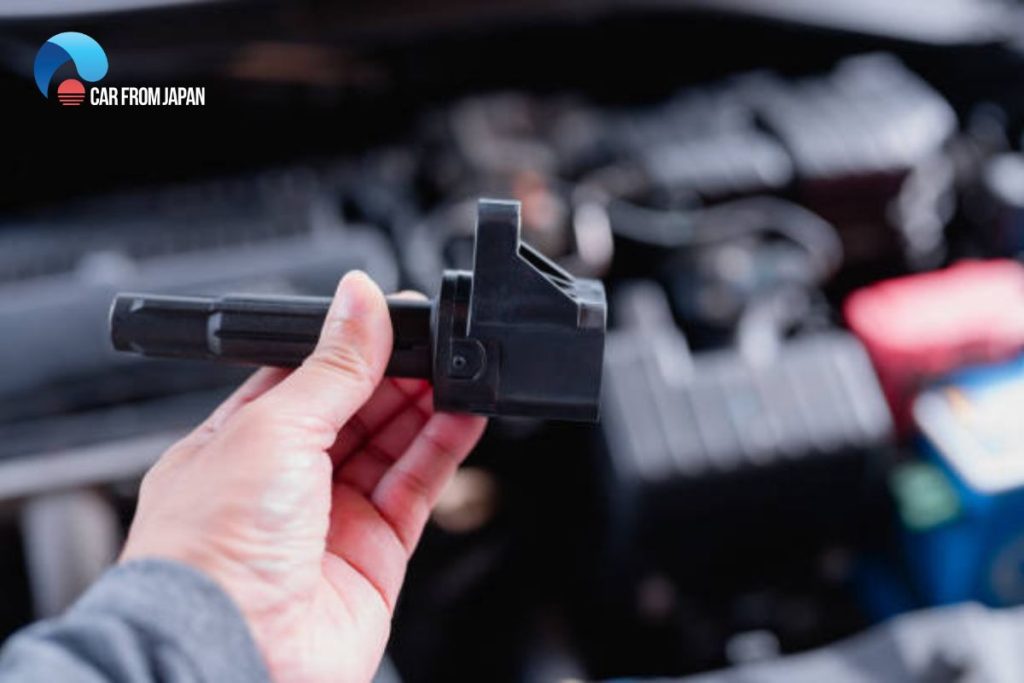
1. The ignition system
Ignition parts, including spark plugs, ignition wires, and coil packs, wear or corrode over time. They have a specific lifespan and have to be replaced after that time.
When any or a couple of these parts start to wear out, there will be a point when the spark plugs don’t get enough electricity to create sparks.
It will start as brief intermittent misfires and become worse over time. However, most of the items in the ignition system are inexpensive and easy to fix.
2. Check the fuel system components
If the issue is not with the ignition system, the parts in the fuel system are what you should check next.
These components also wear out, although at a slower rate. Examine for a clogged fuel filter, dirty fuel injectors, and a failing mass airflow sensor or fuel pump. The EGR valve could also stick due to not cleaning it for a long time.
If that is the case, it will allow the exhaust wastage to go into the intake manifold and create an engine misfire. Most of the issues can be solved by cleaning or replacing the problematic part.
3. Damaged cylinder walls
A misfiring engine creates popping or sneezing sounds. Sometimes, there is a distinct smell too, which is a mix of gasoline, coolant, and steam.
Such a strong odor is a warning sign indicating damaged cylinder walls. You should take the car to a mechanic to inspect the engine as soon as possible.
Is It Safe to Drive When an Engine Misfires?
Usually, the vehicle can continue running with a misfire in one cylinder, since the others will keep the car in motion. It won’t, however, run normally, and it could become worse over time.
Ignoring the problem for too long can damage the engine parts, such as the catalytic converter and oxygen sensor.
Also, think of the safety concern when the car loses power and stops in the middle of a busy road. A misfiring engine also increases emissions and decreases fuel efficiency.
How Much to Fix a Misfiring Engine
If you’re lucky, sometimes a simple spark plug swap can cost you just a few dollars if you can do it in your own garage.
Other times, you might need to get a major replacement for your engine misfire symptoms, such as changing a fuel injection system at the mechanic.
Including the cost of labor and the cost of parts, you might have to pay from $300 to a little over $1,000.
Conclusion
A misfiring engine is a direct message from your car: something is failing. While the symptoms—like hesitation, rough idling, or reduced power—can be unsettling, remember that the underlying causes are usually narrowed down to just three areas: spark, fuel, or compression.
Learning to identify these symptoms quickly allows you to address the root cause, whether it’s replacing a cheap spark plug or fixing a fuel injector. Never shrug off the shudder; prompt diagnosis will not only restore your engine’s smooth performance but also prevent costly, long-term damage.






My 1NZ engine is giving me hell serious vibration when reversing and sometimes goes off iam seeking for help
I changed the spark plug still the engine is shaking and misfire
i had a same problem with my old car 2002 toyota echo, could be a catalyst and must be replaced the oxygen sensor 2 (downstream) a new catalyst converter, {replace a new manifold gasket as well) rys
I do agree that mechanical abnormalities which cause engine misfire should not be ignored. The reason behind the appearance of such sign needs to be identified and repaired in time to keep to prevent any major mechanical breakdown. The engine is the most important as well as an expensive component of the vehicle which needs special attention to run smoothly without any major mechanical abnormalities. So, warning signs which indicate that the engine has some sort of abnormalities should not be ignored.