



The anti-lock brake system was first embedded in cars in 1966 to prevent uncontrolled skidding and locking of wheels. Although the system is credited with saving lives, some people find that Anti Lock Brakes are dangerous.
However, before reaching any decision, let’s read the blog post stating why people hold this opinion, and later, learn how to disable anti-lock brakes.
Contents
Reasons Explaining Why Anti-Lock Brakes are Dangerous?
With a handful of people raising doubts on the efficacy of ABS, there are certain reasons associated with its cause.
1. System damage and maintenance costs
It is a common belief that ABS systems are more prone to damage and can be expensive to repair. To some extent, this concern is understandable.
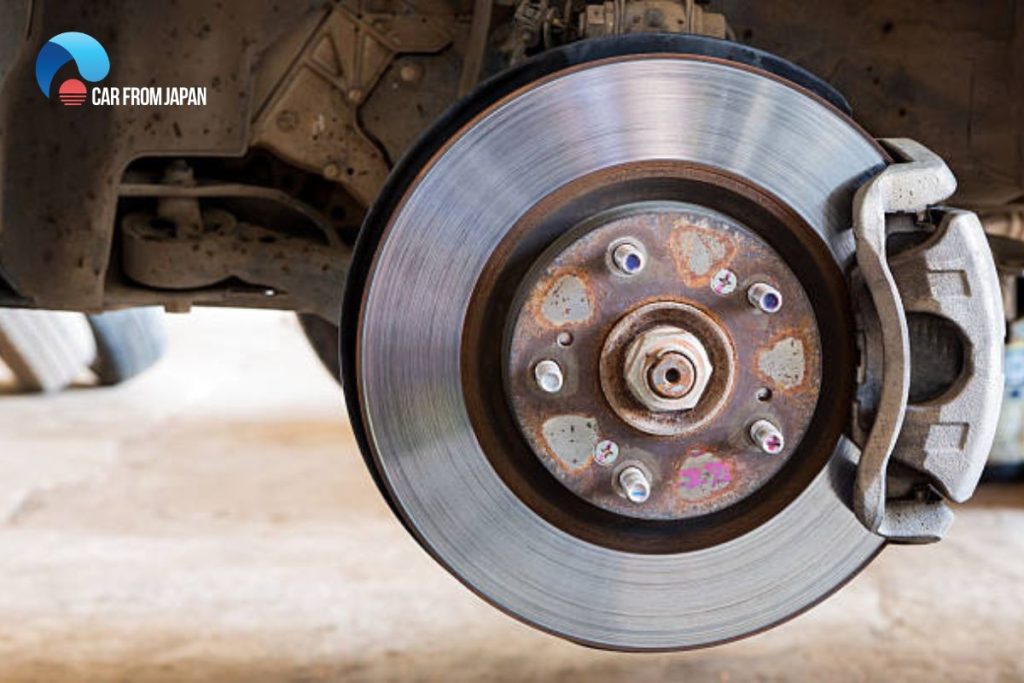
ABS includes sensors, control modules, and hydraulic units, which are more complex than traditional braking systems. If something goes wrong—like a faulty wheel speed sensor or a damaged control module—it can trigger warning lights or cause unusual behavior such as vibrations or pulsation during braking.
Diagnosing these issues may require specialized tools, and repairs can indeed be costly compared to conventional brakes.
However, this doesn’t mean ABS is unreliable. In reality, most ABS components are quite durable and designed to last for years. Regular maintenance and timely inspection can prevent most major issues.
2. Longer stopping distance in certain conditions
Another major concern is that ABS can increase stopping distance, especially on loose surfaces like gravel, sand, or snow.
This claim is partially true—but often misunderstood.
On loose surfaces, a locked wheel can sometimes dig into the material and help the vehicle stop more quickly. ABS, on the other hand, prevents the wheels from locking, which may slightly increase stopping distance in such conditions.
However, the key advantage of ABS is control. Even if the stopping distance is slightly longer, the driver can still steer the vehicle and avoid obstacles. Without ABS, locked wheels can cause the car to skid uncontrollably.
So, while the stopping distance might vary depending on the surface, ABS significantly improves overall safety by maintaining steering ability.
3. Unfamiliar pedal feedback
Many drivers who are not used to ABS get alarmed when they first experience it.
During emergency braking, the brake pedal may vibrate or pulsate rapidly. This is completely normal—it’s the system engaging to prevent wheel lock-up.
However, some drivers mistake this sensation for a malfunction and release the brake pedal, which reduces braking effectiveness.
This misunderstanding often leads people to believe that ABS is dangerous when, in fact, it is working exactly as intended.
How to Disable Anti-lock Brakes
According to experts, disabling the ABS is not a wise decision. However, if someone still believes that Anti-Lock Brakes are dangerous, they can learn how to disable anti-lock brakes.
1. First Step: Disconnect the battery
The battery is disconnected before following or practicing any other kind of modifications in the car.
2. Second Step: Disassemble the side rear cover on the passenger side
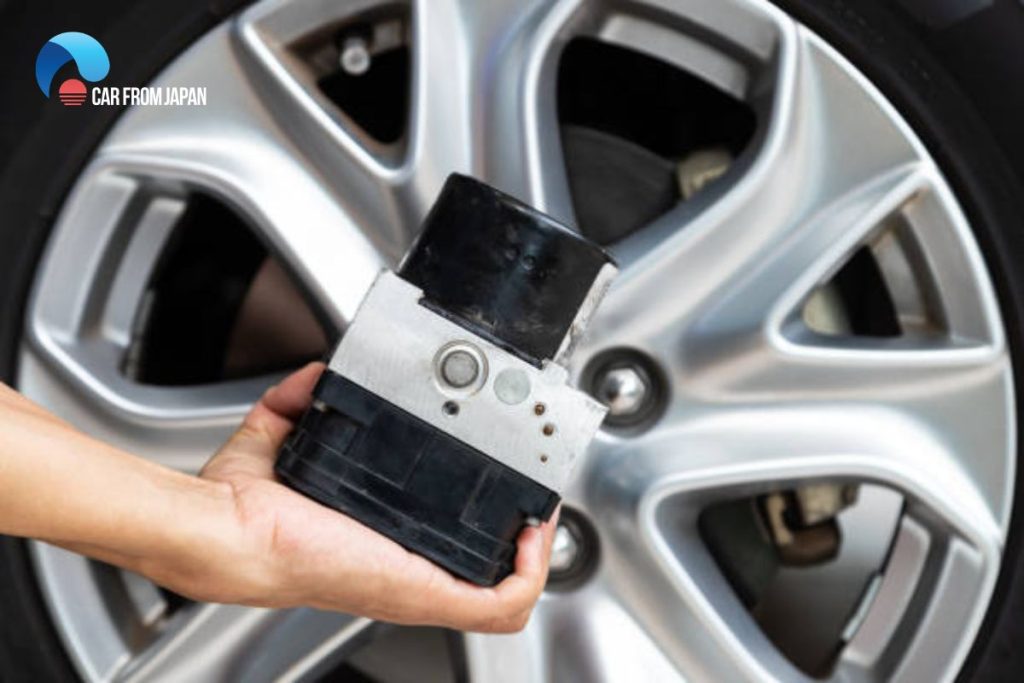
The side rear cover on the passenger side is disassembled. To know the exact instructions and method to remove the cover, try consulting a professional mechanic or else, you may end up damaging your beloved car. Next, locate the ABS control unit and unplug it again under the guidance of a well-versed mechanic.
3. Third Step: Fool the system
Block the 56 and 57 number pins to come in direct contact with the 29 and 30 pins. By this, you’ll be able to fool the system and disable the light from turning on.
4. Fourth Step: Tie the connector
Once done with the shortening of pins, tie the connector underneath the cover so that it doesn’t allow any kind of vibration in the vehicle. Lastly, put everything back in place.
The Verdict
In a nutshell, people who believe that Anti-Lock Brakes are dangerous need to rethink! As it’s the highly recommended system, which allows the driver to make the best out of a bad situation, even when he’s not good with the driving tips of ABS systems.






These tips are indeed helpful to me. There is a big different from what am learning on how to go about with the car compared from what i used to know in the past. I will make sure i put this in to practice.
=PAC=