


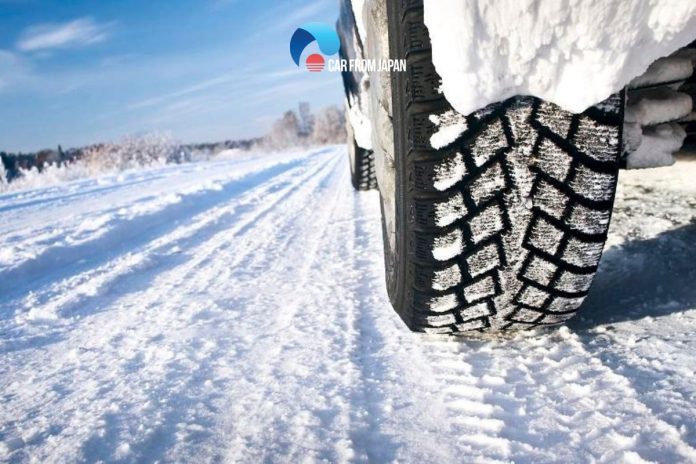
Driving through deep snow and ice-covered roads is highly challenging and risky. Although tires have been developed during the last decade to increase wintertime mobility, all-season tires are still not very suitable for handling the hazards of snow, rain, and cold.
It’s important to switch to good winter tires at least when the winter weather approaches.
Contents
- The Features that Good Winter Tires Should Have
- Do You Need To Buy Winter Snow Tires?
- FAQs on Buying Good Winter Tires
- Why do some winter tires have tiny “hair-like” rubber spikes on them when new?
- Can winter tires improve braking even if there’s no snow on the road?
- What’s the difference between tires marked “M+S” and those with the mountain snowflake symbol?
- Why are narrower winter tires sometimes better than wider ones?
- Do winter tires make road noise louder than regular tires?
- What is the easiest way to tell if a used winter tire is worth buying?
- Are studded tires always better than studless winter tires?
- Why do EV owners often need special winter tires?
The Features that Good Winter Tires Should Have
Winter tires offer a better grip in snow and on the ice than all-season tires. And, three fundamental features are there that ensure that secure grip – a proper tread design, pliable tread compound, and enough tread depth.
Winter snow tires with all these three features will offer you an exciting riding experience amid hazardous cold weather conditions. However, the absence of any of these qualities will significantly affect the tires’ wintertime performance.
Besides, good-quality winter tires ensure a very comfortable ride. Studded snow tires sometimes make the rides bumpy because of the metal studs embedded within the tread.
High-quality studless snow tires roll pretty comfortably without making any clattering noise.
Another feature that these winter snow tires should have is the durability. The rubber used on the tread of winter tires tends to wear out faster than the all-season models. However, top-grade snow tires are suitable for riding at least 20,000 miles and even more sometimes.
Besides, renowned manufacturers offer at least five years of warranty covering manufacturing defects, which is not available for cheap tires. A few companies offer a treadwear warranty too.
Do You Need To Buy Winter Snow Tires?
Yes, if snowy and icy roads are a common scenario in your area during the wintertime.
Good winter tires climb hilly roads better, provide a better grip on snowy streets, avoid skidding on slippery corners, and give a quick response when you push the brake pedal.
They are also an excellent choice for driving on rainy days as they don’t slide on wet pavements or streets.
Some people can’t decide whether they should buy studded or studless winter tires. Tires with metal studs grip better on ice and snow, but they can damage roads or pavements if the surface is not covered with ice. Besides, they create clattering noise, which can be very annoying.
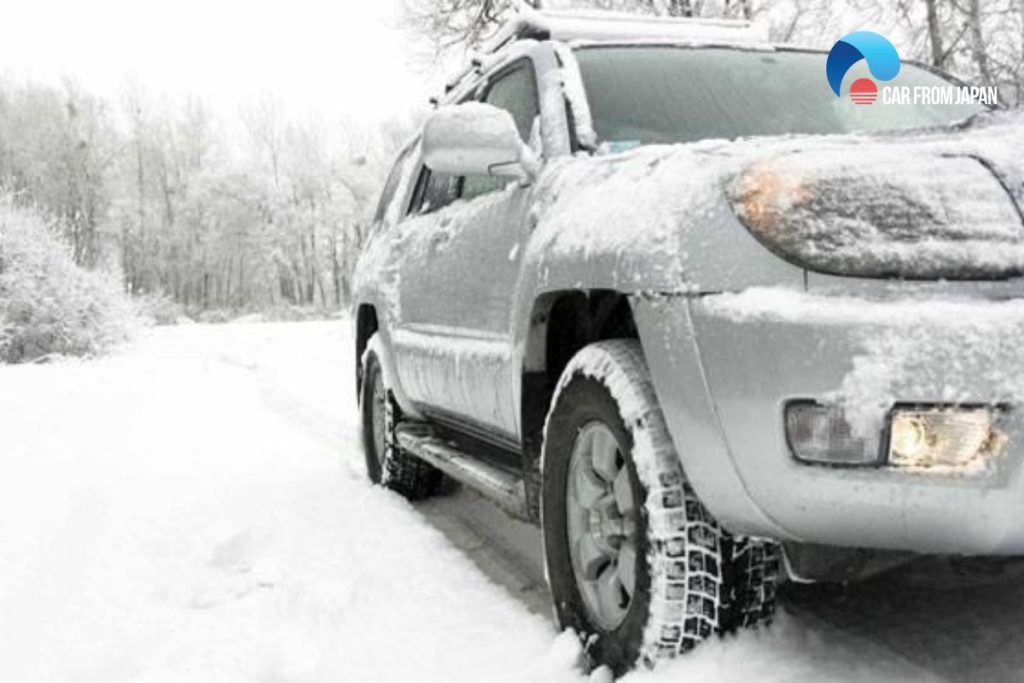
On the other hand, today’s studless models can easily outperform the studded version with their advanced tread compounds and their ability to stay pliant in cold environment.
However, remember to buy matching tires for all the four wheels. Some people use just two tires on the drive axle, which is dangerous because your vehicle can quickly lose control when two tire grip well and two don’t.
FAQs on Buying Good Winter Tires
Why do some winter tires have tiny “hair-like” rubber spikes on them when new?
Those are called vent spews. They are leftover from the manufacturing process and don’t affect performance. They’ll wear off quickly after a few drives.
Can winter tires improve braking even if there’s no snow on the road?
Yes. Winter tires are designed to stay flexible in cold temperatures, so they often provide better grip and shorter braking distances on cold, dry pavement than all-season tires.
What’s the difference between tires marked “M+S” and those with the mountain snowflake symbol?
“M+S” only means the tire has a mud-and-snow tread pattern.
The three-peak mountain snowflake symbol means the tire passed specific winter traction tests and is much more suitable for severe winter conditions.
Why are narrower winter tires sometimes better than wider ones?
Narrower tires can cut through snow and slush more effectively, allowing them to reach firmer ground underneath. Wider tires may float on top and lose grip.
Do winter tires make road noise louder than regular tires?
Some do. Their tread patterns are more aggressive to improve snow grip, which can create more road noise, especially studded winter tires.
What is the easiest way to tell if a used winter tire is worth buying?
Check the manufacturing date, tread depth, and look for uneven wear or cracks. Even a tire with deep tread may be unsafe if the rubber is too old or damaged.
Are studded tires always better than studless winter tires?
Not always. Studded tires are excellent on ice but can be noisy, damage roads, and perform worse on dry pavement.
Studless winter tires are often better for mixed conditions.
Why do EV owners often need special winter tires?
Electric vehicles are heavier due to their batteries and produce instant torque, which can wear tires faster and require stronger winter tire designs for better grip and durability.
For more insightful Car Maintenance tips, follow Car From Japan today!